How Food Wholesalers Can Turn WhatsApp Messages into Accurate Sales Orders
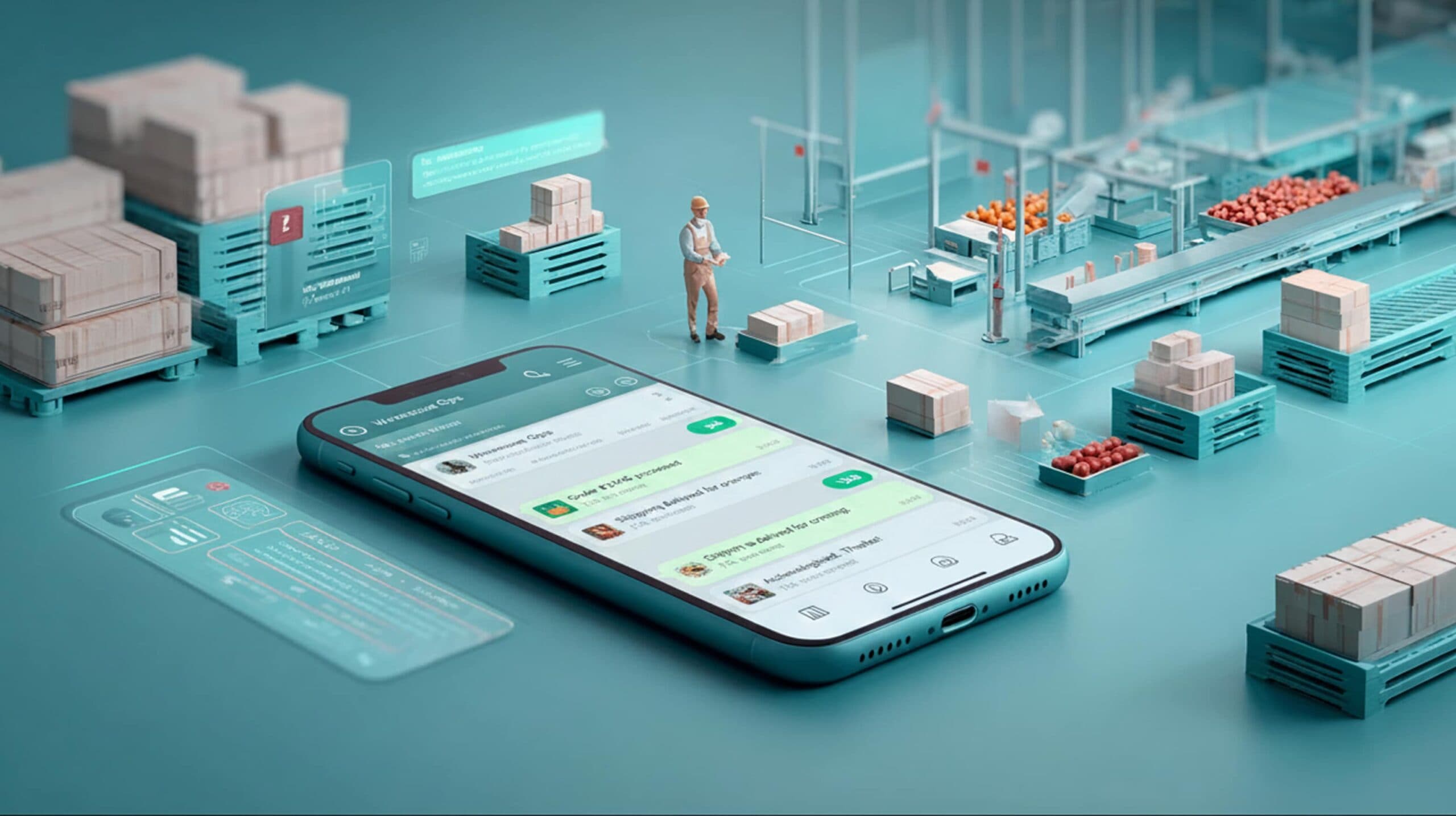

The alarm clock goes off at 4:00 AM, and while the warehouse lights are still flickering on, the cell phone lying on the office console begins to vibrate relentlessly. In the cutthroat world of food service distribution, customers demand speed and ultimate convenience above all else. When you’re a head chef of a bustling restaurant, the luxury of logging into a sophisticated online portal simply isn’t an option. Instead, they’ll pull out their phone and fire off a quick, unassuming text. Converting WhatsApp orders for food service wholesalers from a nice-to-have sidenote into the essential lifeline between disorderly restaurant floors and a hyper-organised warehouse operation, and staying on top and out the door when the delivery trucks need to roll, requires you to turn the conversation of the street-smart app into solid, actionable information.
The Kitchen’s Lifeline: Why Buyers Prefer Messaging
Imagine a hot, jam-packed kitchen at the height of service, and one of your carefully sourced premium ingredients is dangerously low on supply. Where the warehouse could be a half-hour drive away, and ordering online would first require you to fire up your ancient computer… What do you do? Send a text, of course!
The easiest, most immediate solution to virtually any sales task still comes back to using the messaging applications we all rely on for round-the-clock radio contact with our families, friends, and colleagues. As discussed at the top of this post, a seemingly mundane text will achieve all of the objectives above and, for this reason, has proven to be the top choice for buyers across the entire hospitality & catering sector.
Here’s why:
- Unmatched Speed: The time it takes to write and send a text will be approximately the same time it takes to realise your vital ingredient is at a critically low level and…actually order more.
- Zero Operational Friction: You don’t have to remember a password, navigate a clunky screen, or download yet another unwanted business app to your phone. Text messaging is an old friend that comes pre-installed on every device.
- Familiarity and Trust: You’ve been using it long enough to know exactly who will receive your message and process your request. The trust that organically builds when you work with a tight-knit group of known suppliers is one of the selling sector’s best-kept secrets.
While this informal approach keeps the buyers incredibly happy, it simultaneously creates a massive influx of unstructured, messy data that someone on the receiving end must decipher before the morning deliveries can commence.
The Bottleneck: The Hidden Cost of Manual Data Entry
A message flashes on the warehouse screen reading, “Send 5 boxes of the usual tomatoes for tomorrow.” Relying on human operators to translate these cryptic, shorthand requests creates an immediate and severe operational bottleneck. The ongoing struggle to reduce manual order entry is constant, and processing everything by hand introduces several major risks to the business:
- Massive Time Consumption: Cross-referencing informal texts with past invoices to find the correct items drains hours of valuable time from the administrative staff.
- Costly Mistakes: Every single manual keystroke is an opportunity to accidentally type the wrong quantity, select the incorrect brand, or assign the delivery to the wrong address.
- Single Point of Failure: Keeping all client communication trapped on a single physical mobile phone means that if the device is lost or broken, the entire purchasing history disappears instantly.
Sending the wrong perishable goods due to a simple transcription error results in wasted stock and highly frustrated clients, making manual data entry an incredibly risky strategy for growing businesses. To learn more about moving items accurately from the warehouse to the kitchen, read our blog post ‘Optimising B2B Order Fulfilment: Strategies for Success‘.
The Solution: Introducing Smart AI Order Capture
Imagine a scenario where the digital system reads that cryptic morning text and instantly understands the precise context without human intervention. Implementing AI order capture turns a chaotic chat history into perfectly structured data in real-time. Here is exactly how intelligent systems seamlessly process these daily requests:
- Advanced Slang Recognition: Artificial intelligence learns industry-specific terminology, instantly matching vague terms like “10x premium cheddar” to the exact, correct warehouse product code.
- Instant Customer Identification: The technology instantly reads the incoming phone number, retrieves the specific buyer profile, and automatically applies their unique, pre-negotiated pricing tier.
- Precise Information Extraction: The system parses through inevitable typos, emojis, and casual greetings to extract only the vital details: who is buying, what they need, and the required quantities.
This powerful technology eliminates the daily guesswork, seamlessly translating the chaotic language of the professional kitchen into the rigid, necessary structure of enterprise inventory management. To learn more about artificial intelligence shaping your industry, read our blog post ‘AI in B2B eCommerce: Opportunities for Wholesalers in 2025‘.
From Chat to Dashboard: Food Wholesale Order Automation
Extracting the correct data from a text is only the first half of the solution. The true operational breakthrough occurs when those carefully parsed details automatically populate the central digital system. By integrating WhatsApp Business wholesale capabilities into your operations, the workflow is entirely transformed from start to finish:
- Instant Draft Creation: Instead of an exhausted employee typing a document from scratch, food wholesale order automation generates a precise, fully formatted draft instantly.
- Rapid Review Process: A dashboard operator simply reviews the pre-filled screen, makes any necessary minor adjustments, and clicks approve with a single button.
- Real-Time Inventory Synchronisation: The exact moment the draft is approved, stock levels are updated across the board, and the warehouse floor receives the correct picking list.
This seamless integration allows buyers to maintain their preferred, informal communication method while simultaneously giving the back office the structured, professional tools required for flawless dispatch. To learn more about streamlining your daily tasks, read our blog post ‘B2B eCommerce Automation for Wholesale Success‘.
Securing the Future with Reliable Operations
Speed is the absolute currency of the wholesale food industry. Because fresh produce, dairy, and meats have a severely limited shelf life, supply chains must operate with flawless precision every single day. Transitioning from manual typing to an automated messaging system brings lasting, transformative benefits:
- Drastic Error Reduction: Eliminating the manual transcription phase means the final sales document reflects exactly what the intelligence tool extracted directly from the buyer’s text.
- Centralised Digital Records: Every text message and voice note is securely synced to the client’s permanent profile, protecting the business against expensive delivery disputes.
- Scalable Business Growth: Processing late-night orders becomes entirely effortless, allowing the distribution business to take on more clients without needing to hire extra administrative staff.
The ultimate goal is not to force busy chefs to change their fast-paced habits, but to build an invisible, highly efficient digital bridge to support them at every step. To learn more about modern buying habits, read our blog post ‘The Rise of Self-Service Ordering in B2B and Retail‘.
Final Thoughts
The landscape of B2B commerce will always involve last-minute demands and rapid, unexpected changes simply because the end-consumer market is unpredictable. By embracing smart technology to capture, format, and process these everyday messages, operations can run smoothly from the very first 4:00 AM text to the final afternoon delivery.
Related Blogs
Explore more insights for your wholesale business.
Ecommerce Tips · 16 OCT 2026
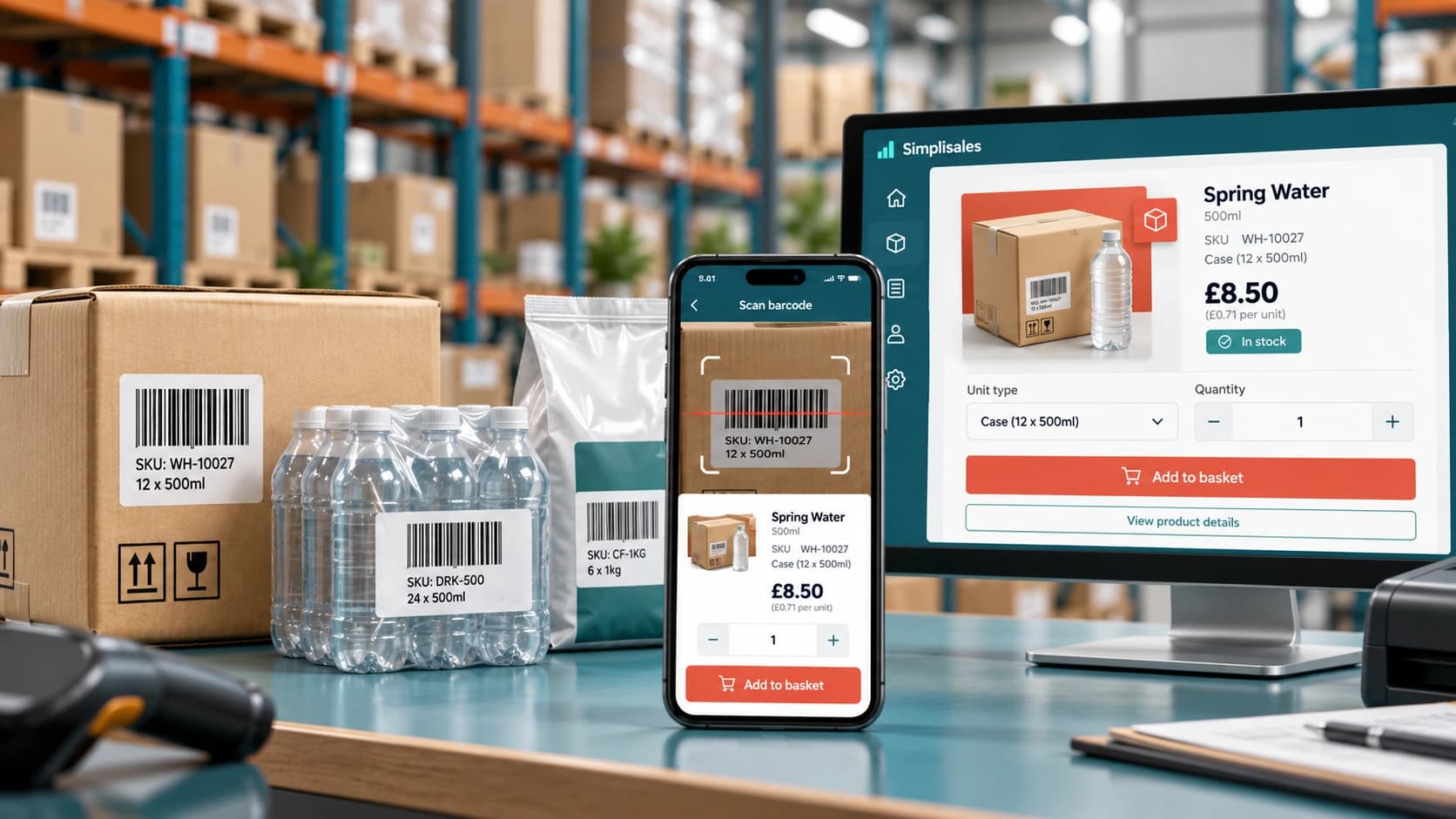
Barcode Ordering Apps for Wholesale
A retailer walks around the stockroom with a phone. In fact, when […]
Ecommerce Tips · 12 OCT 2026
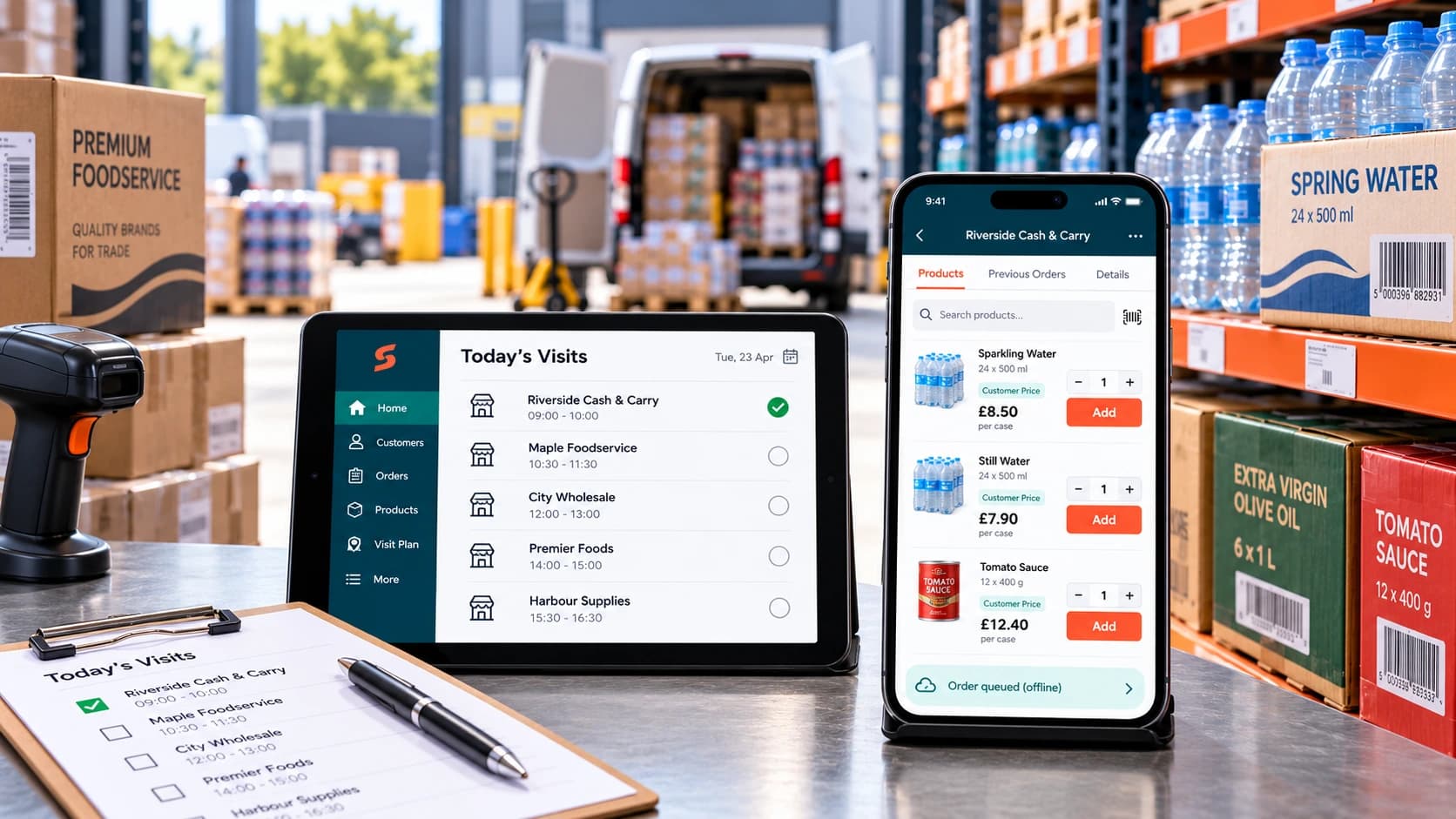
How to Roll Out a Sales Rep Ordering App
A […]
Ecommerce Tips · 10 AUG 2026
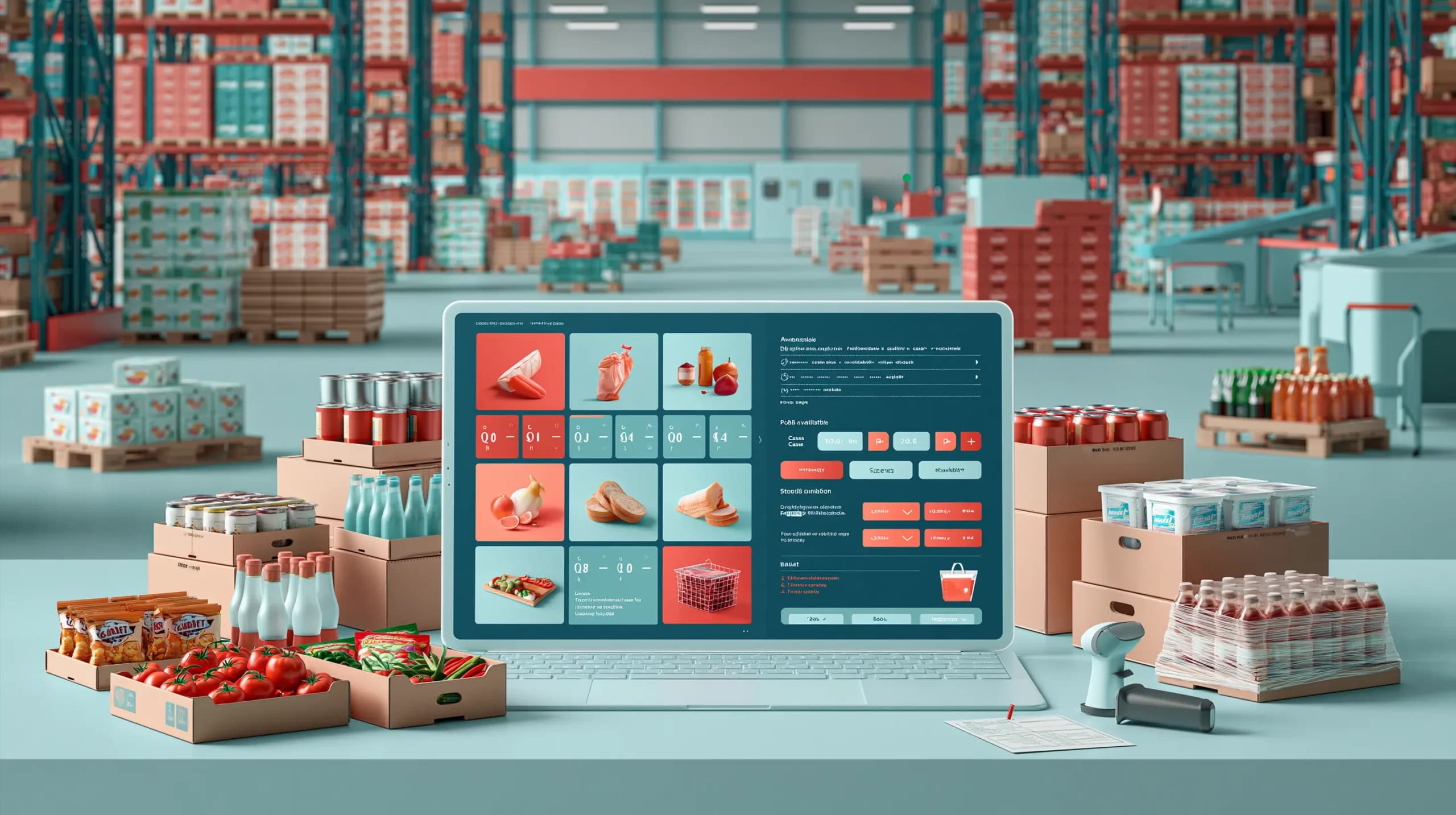
Food Wholesale Ordering Software: 12 Features UK Distributors Actually Need
This blog post covers the 12 features UK food distributors should prioritise when choosing food wholesale ordering software, from customer-specific pricing and multiple pack sizes to real-time multi-warehouse stock, batch and expiry tracking, purchasing, warehouse picking and delivery operations. It also highlights the importance of fast repeat ordering, offline sales rep tools, AI-assisted capture of […]
Run your business,
without the complexity
Start free · Try paid plans for 30 days.
