Insights for Modern Wholesale
Real insights from real wholesale operations.
Discover our blogs
Insights and updates for modern wholesale teams.
Wholesaling Softwares · 19 OCT 2026
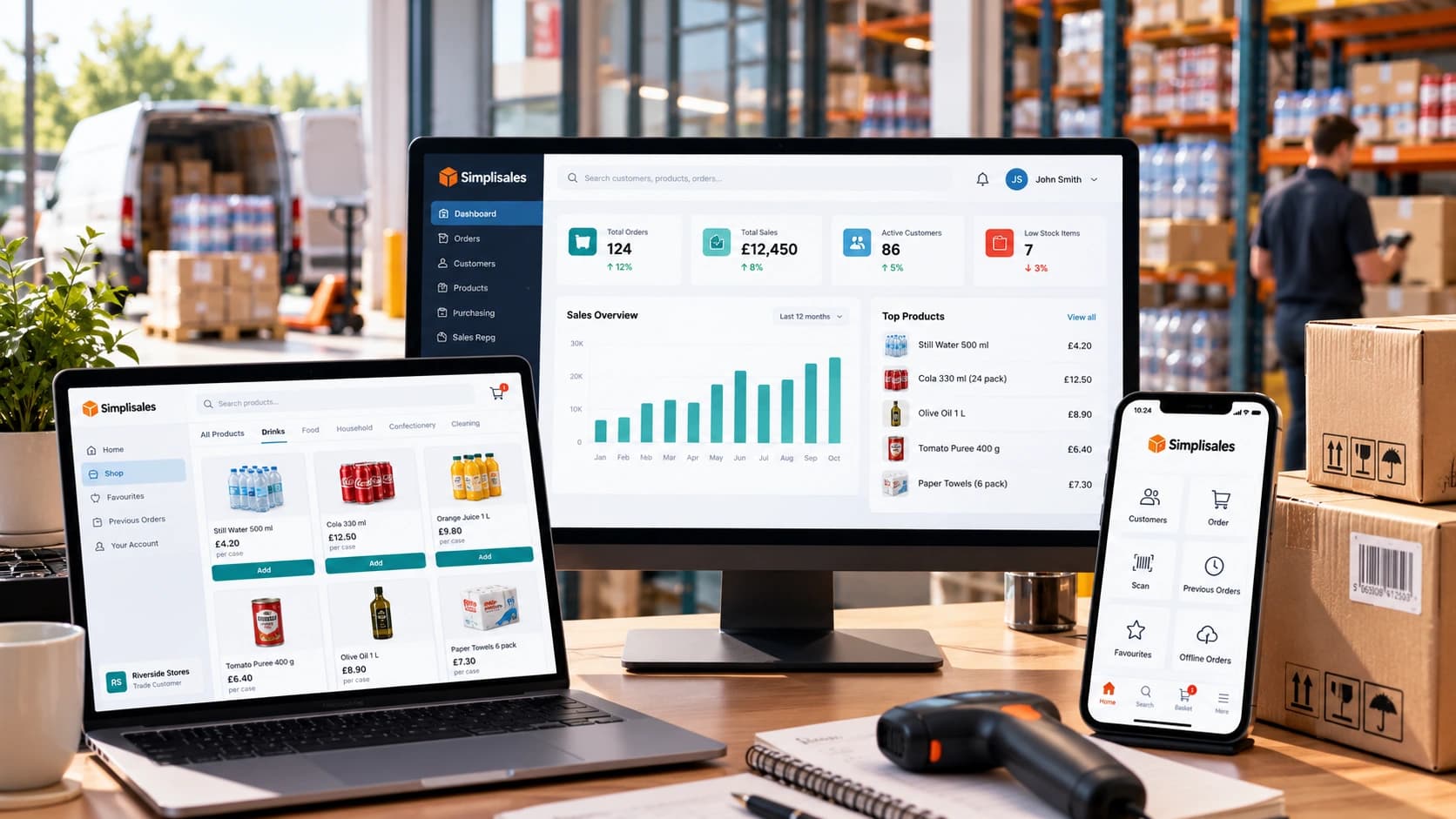
Wholesale Software for Small Businesses
You do not need an ERP just because spreadsheets are failing The minimum wholesale software stack Layer 1, such as accounting is remaining the financial source of truth Layer 2, like ordering and customer-specific trading rules Layer 3 – stock, buying and foundational warehouse control What not to buy too early When the minimum stack […]
Ecommerce Tips · 16 OCT 2026
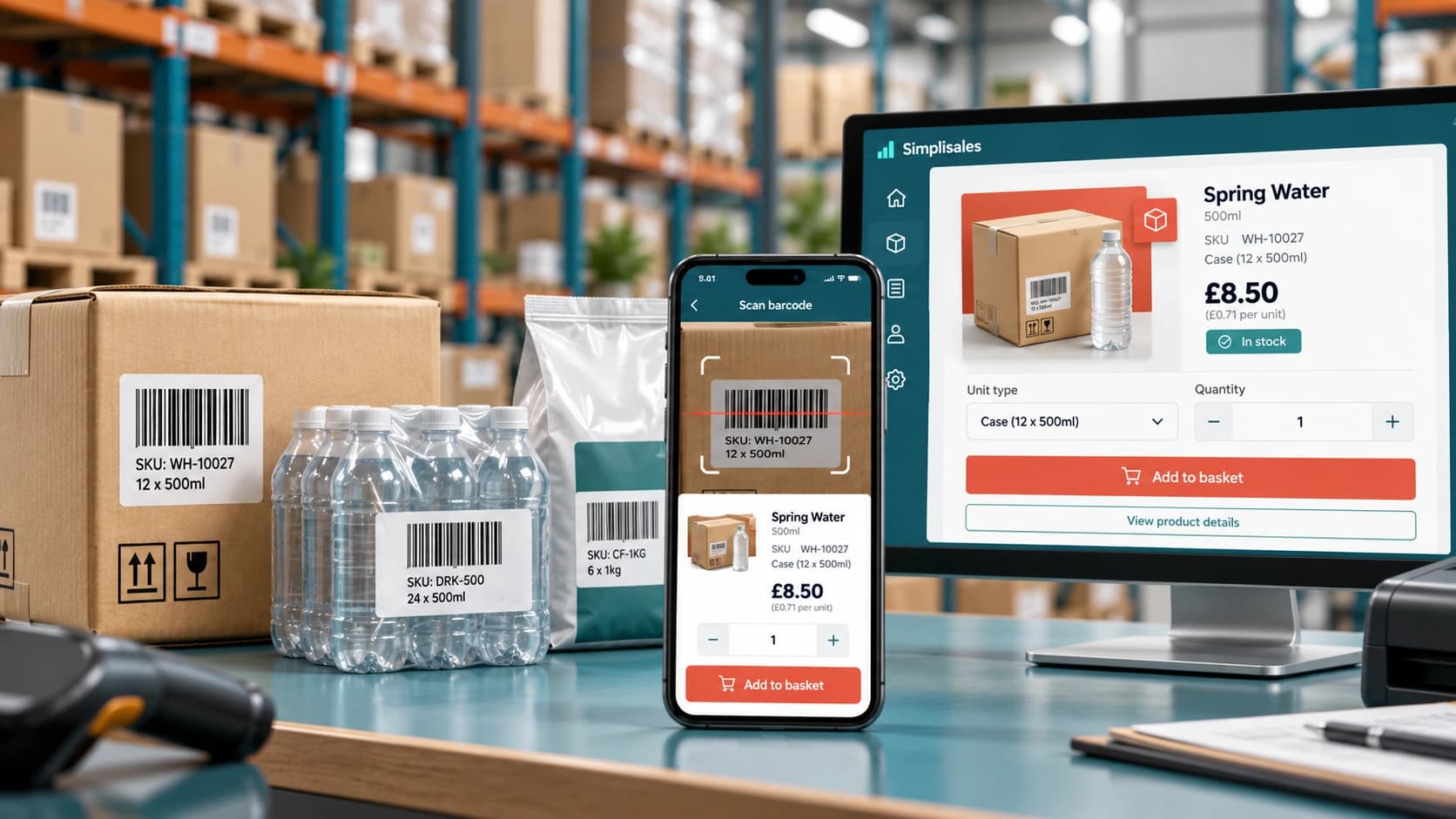
Barcode Ordering Apps for Wholesale
A retailer walks around the stockroom with a phone. In fact, when […]
Ecommerce Tips · 12 OCT 2026
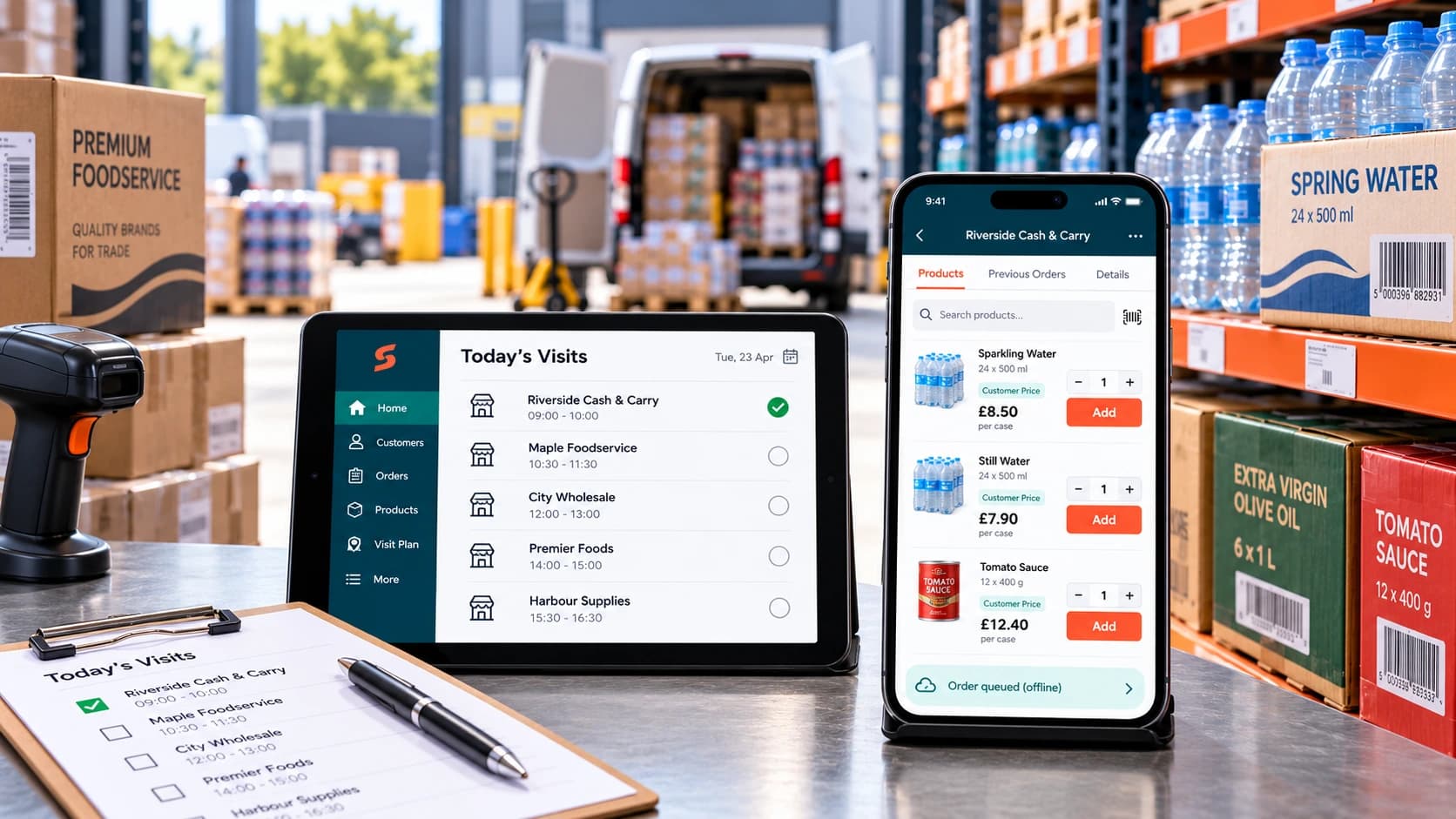
How to Roll Out a Sales Rep Ordering App
A […]
Cash and Carry · 09 OCT 2026
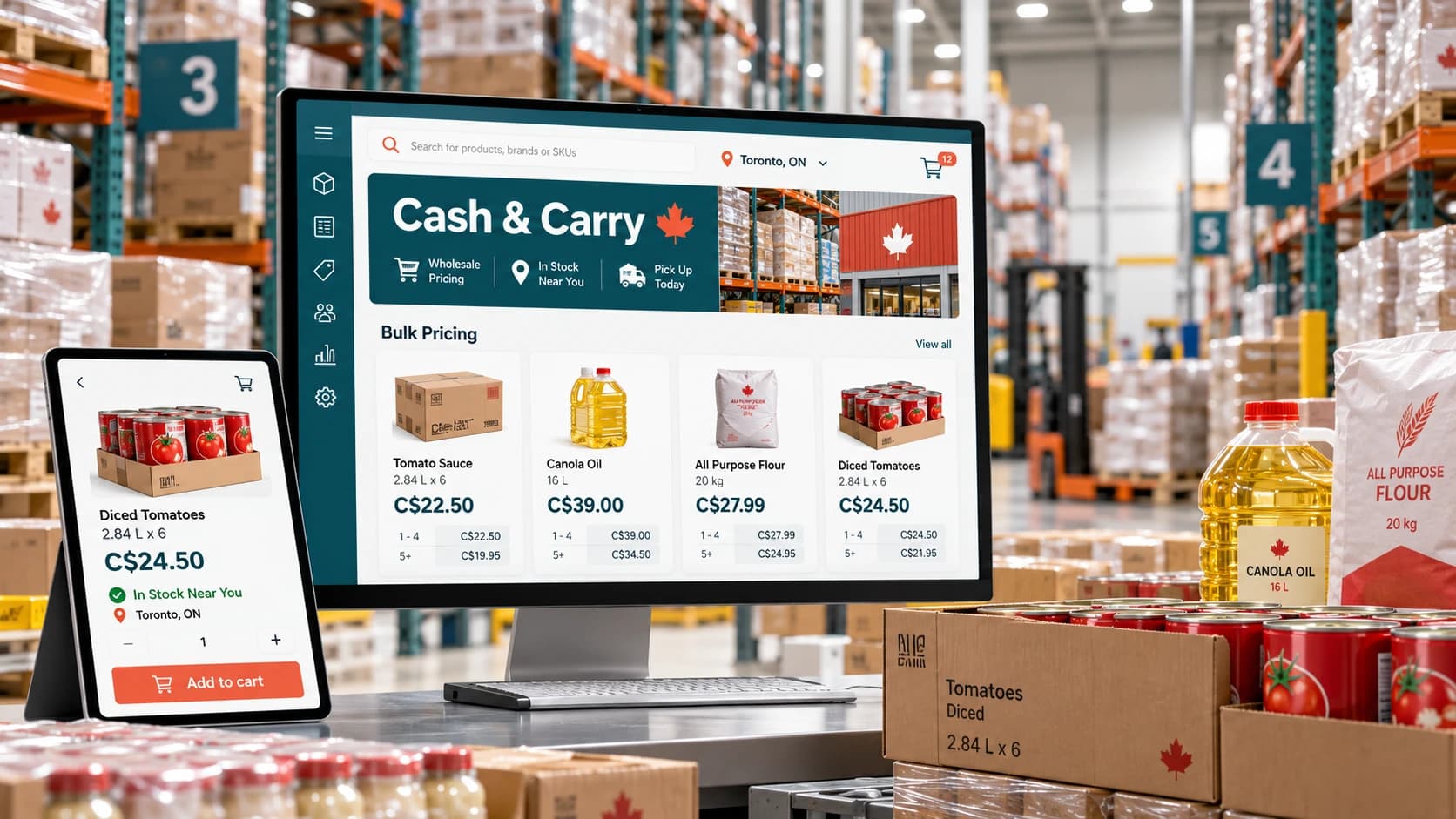
Cash and Carry in Canada
Start With the Canadian Market, Not the British Label Business Registration and a Multi-Layer Tax System Food Wholesale: Federal Licensing Depends on What You Do Traceability Can Apply More Broadly Than Licensing Alcohol Is a Provincial Distribution Question Tobacco Rules Are Provincial Too Where the Cash and Carry Opportunity Is Strongest Design the Depot […]
Cash and Carry · 05 OCT 2026
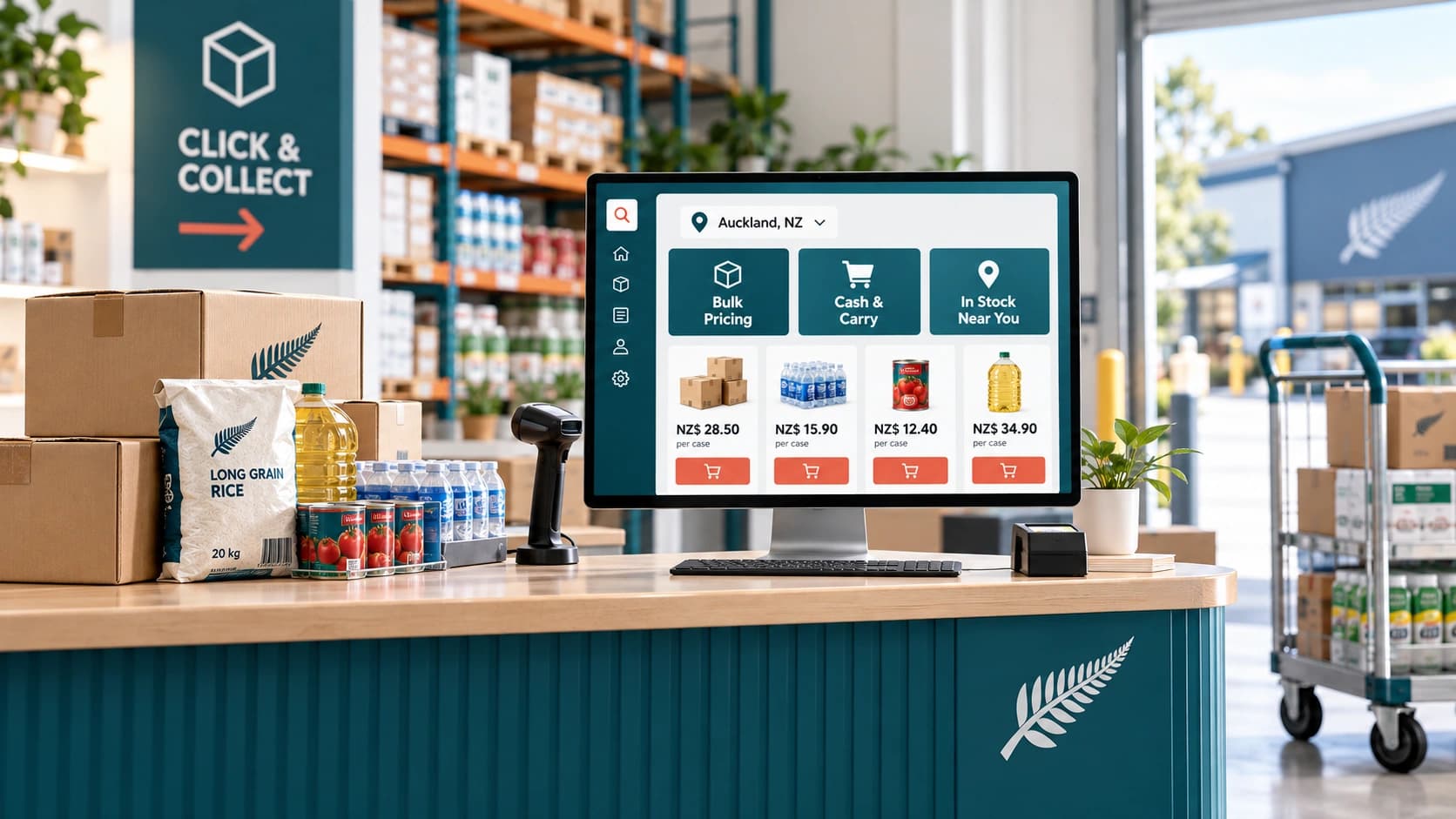
Cash and Carry in New Zealand
Cash and Carry Is Already a Familiar Model in New Zealand Business Registration and GST Food Distribution: National Programme 1 Is the Key Starting Point Importing Food: Registration Is Separate Alcohol Has an Unusual Wholesale Exemption Tobacco and Vaping Require Notifications Where a New Cash and Carry Can Compete Building the Right Hybrid Model Final […]
Cash and Carry · 02 OCT 2026
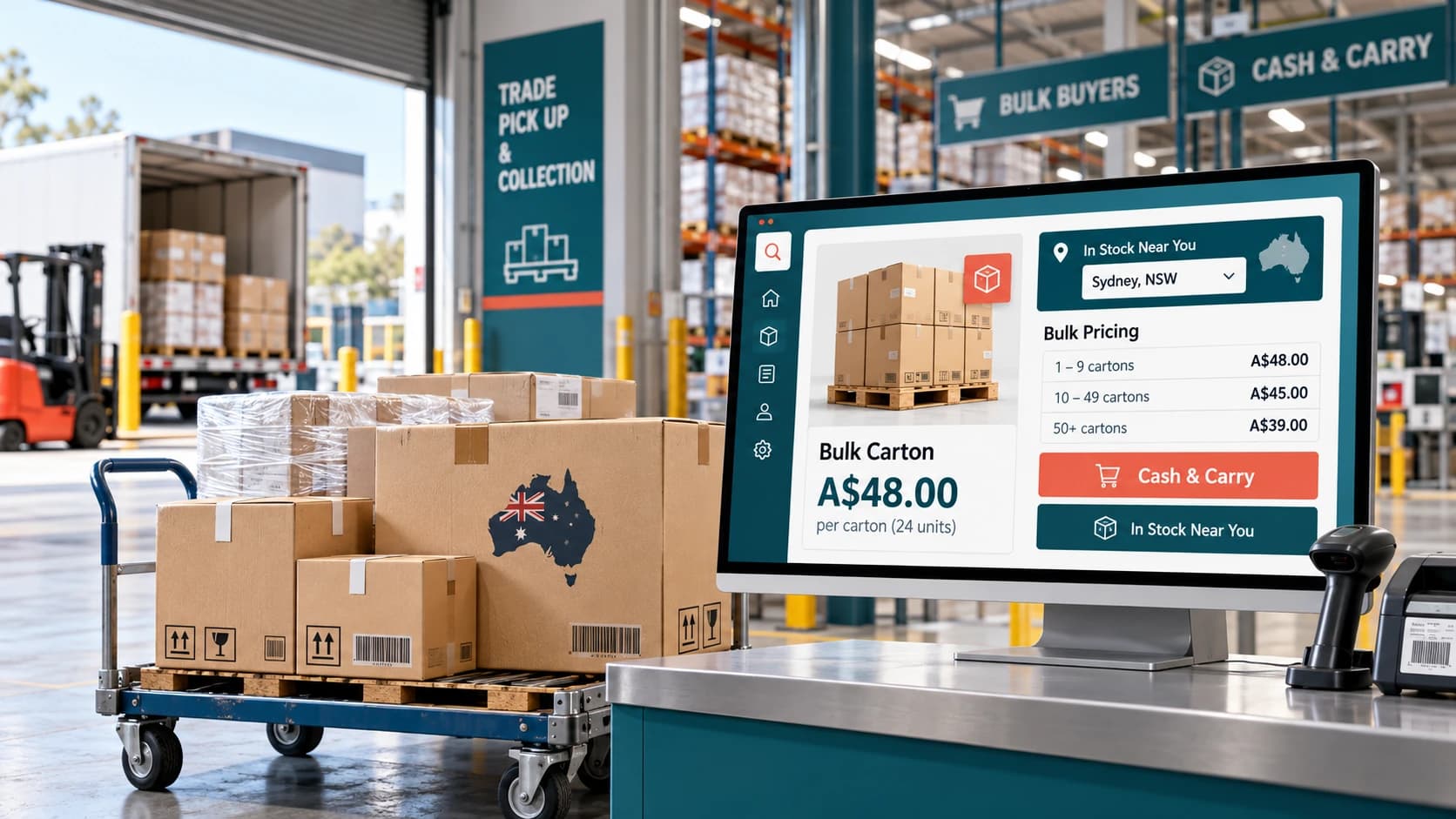
Cash and Carry in Australia
In Britain, the phrase cash and carry immediately suggests a trade warehouse: […]
Operations · 28 SEPT 2026
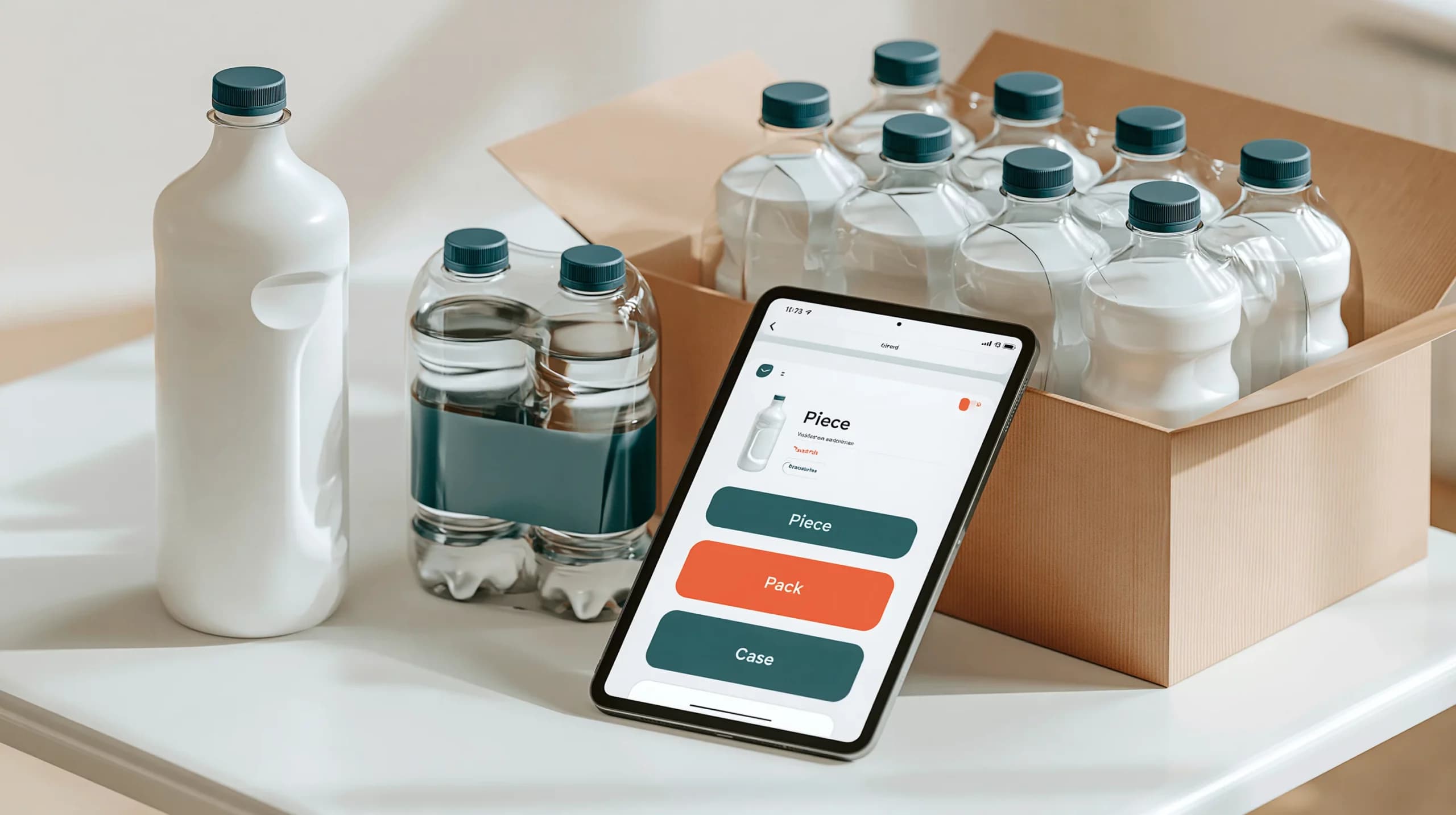
Digital Wholesale Catalogues: Managing Pack Sizes
Why digital catalogues are more than online product lists A buyer opens a wholesale catalogue and finds three versions of […]
Sales · 25 SEPT 2026
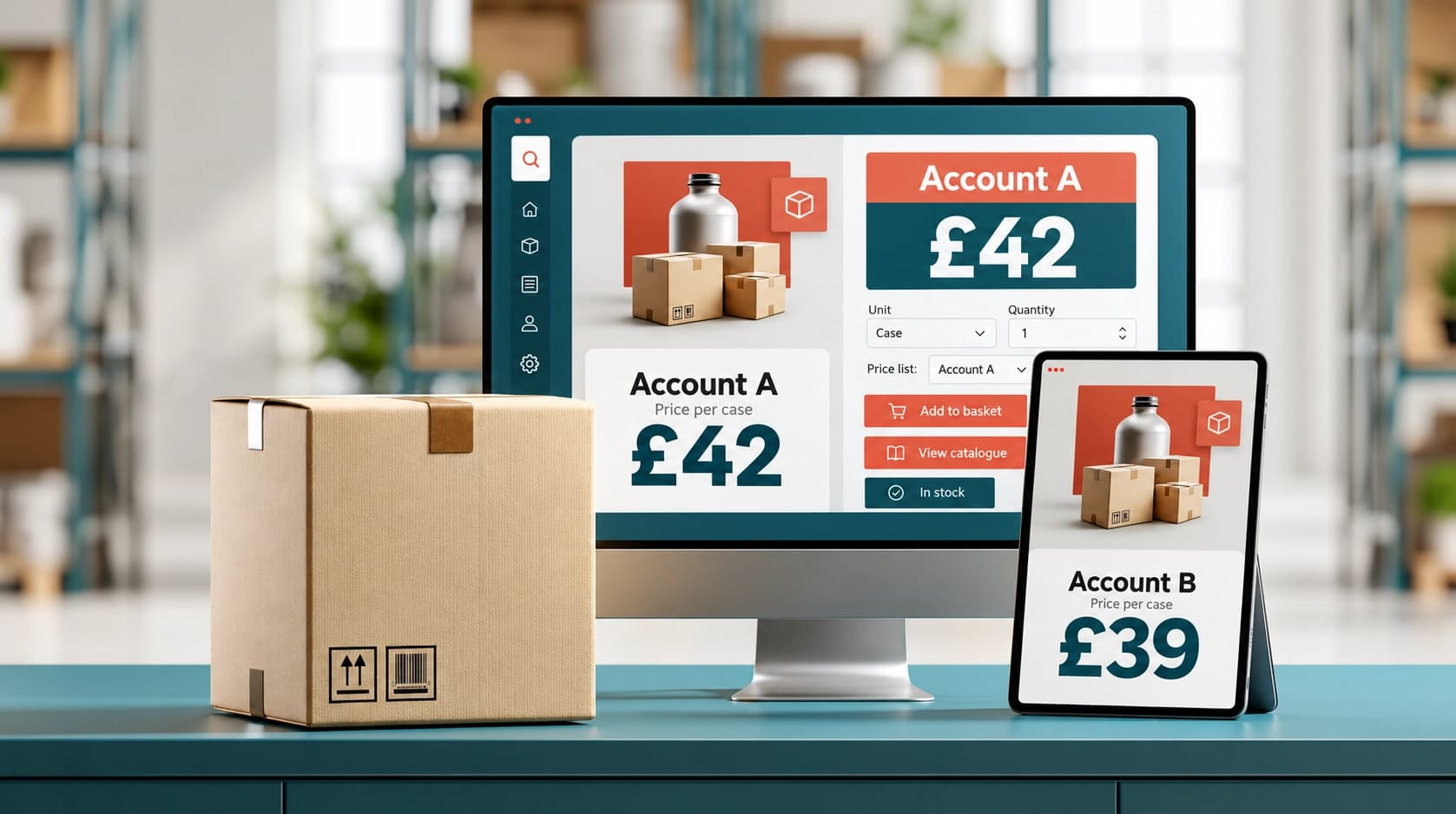
Customer-Specific Pricing in B2B eCommerce
Why one B2B customer does not always mean one price A buyer logs into a wholesale website and […]
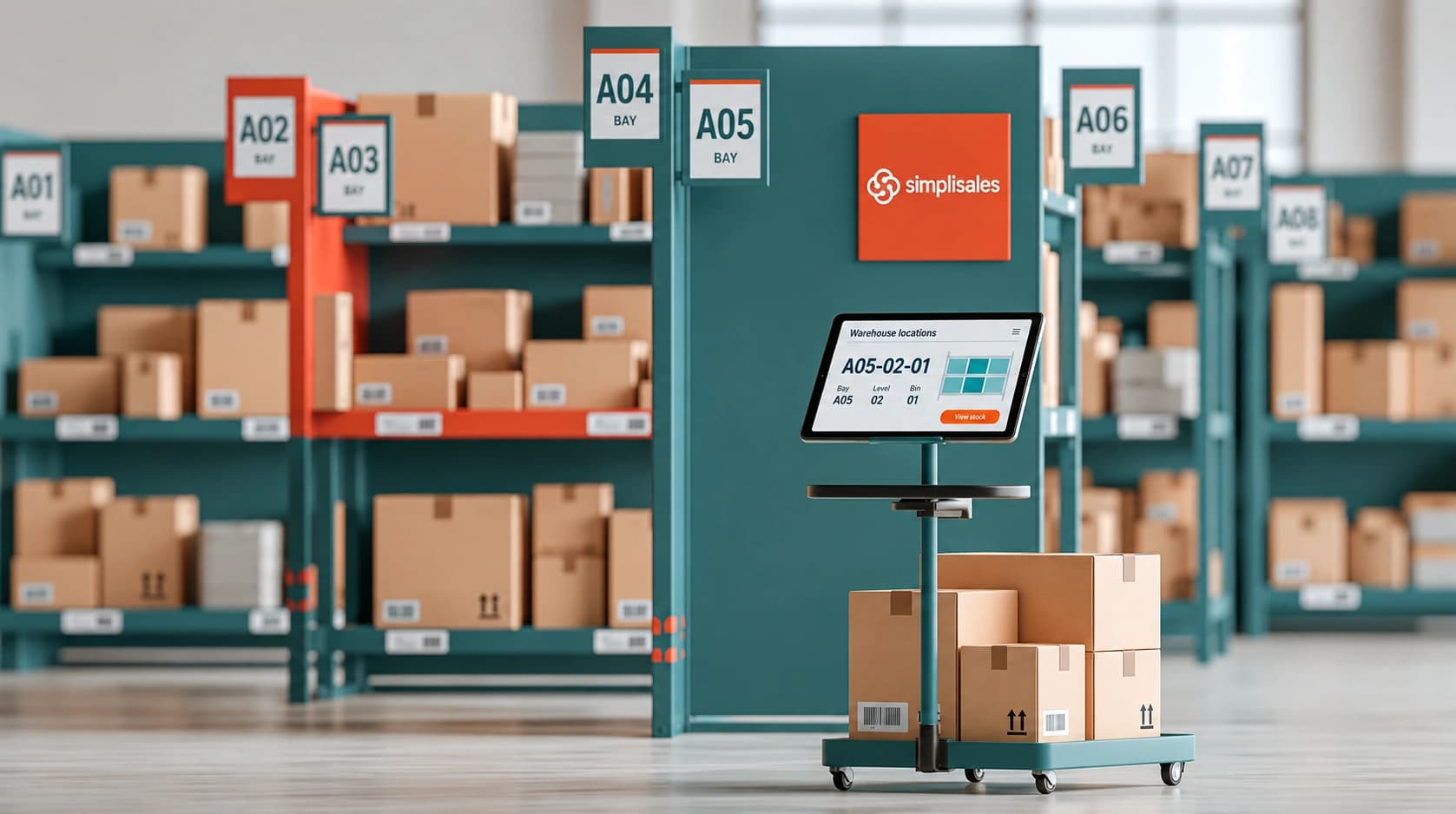
Logistics · 21 SEPT 2026
Warehouse Location Codes for Wholesalers
Why warehouse location codes matter A warehouse operative receives a picking list for twelve products. The stock is […]
Simplisales is an AI-powered ERP built for wholesalers and distributors. It brings sales orders, purchasing, inventory, warehouse management, customer management, invoicing, payments, and B2B ordering into one connected platform.
Our AI reads orders from any format (WhatsApp messages, emailed PDFs, even photos of handwritten lists) and converts them into structured sales orders automatically. It learns your product catalogue and customer preferences over time, reducing errors and freeing your team from manual data entry.
Yes. Simplisales integrates with major ERP and accounting platforms including SAP, Microsoft Dynamics 365 Business Central, Odoo, Xero, QuickBooks, and Sage. Data flows both ways, so the existing system can stay the source of truth.
Not at all. Simplisales is designed so that anyone who can use a smartphone can get started. Import your products, invite your team, and go live in hours. One-to-one Onboarding covers data migration, integration setup, and team training.
Yes. The E-commerce Apps work offline: customers browse their catalogue and prices and build orders without a signal, and orders sync once the connection returns. Sales reps get offline order entry in the Field Sales App.
Most B2B platforms focus on just one piece of the puzzle: an online store or an order form. Simplisales is a complete operating system for wholesale: field sales, routes, drivers, inventory, invoicing, E-commerce, and AI-powered order processing all in one place. Plus, it’s simple enough to start this week.
Run your business,
without the complexity
Start free · Try paid plans for 30 days.
