The Comprehensive Guide to Multiclient Warehousing for B2B Businesses


Introduction to Multiclient Warehousing
Multiclient warehousing, also known as shared or multi-user warehousing, is a warehousing policy where many trading partners take advantage of a single warehouse. It creates a symbiosis that enables both wholesalers and other B2B companies to better manage their inventory and associated costs while gaining the agility necessary for efficient operations outside of warehouse-centric supply chains.
Multiclient warehousing is now quite relevant today when the economy of scale is of paramount importance, especially for sectors such as eCommerce, wholesaling, and retailing. It also provides a cheap means of dealing with fluctuations and variations in stock, as well as access to modern logistics technology. Learn how efficient warehousing can drive better What is Multi-Warehouse Management?
How Multiclient Warehousing Works
Multiclient warehousing exists whereby a particular facility subdivides storage and operational infrastructures to satisfy the needs of several clients. Here’s a breakdown of its operations:
- Shared Space: Several sections of a single warehouse accommodate the items of several businesses depending on the space that they require. These sections may be of different sizes and nature, giving place to trivial goods as well as products that require special temperature conditions.
- Common Resources: MHE is commonly used as a function centre that a company shares with other functions through equipment, labour and IT solutions, including WMS.
- Third-Party Management: They are mostly run by third-party logistics companies or 3PL, which oversee the workflow beginning with receiving goods, to storage and order fulfilment.
As a result, the crucial benefit of this model is that it is useful for small and medium-sized wholesalers, as it gives them an opportunity to get supplies of high-quality warehousing services without the need to invest significantly in the company. Learn how shared technology optimises logistics in What is Logistics and How Does it Apply to eCommerce?
Key Benefits of Multiclient Warehousing
Cost Efficiency
- Functions that are performed jointly cut on the general expenditures through centralisation of utility costs and employees and acquisition of facilities.
- It is good for organisations that may need some extra space to store their goods for some time without having to pay for a whole permanent space.
Flexibility and Scalability
- Ability to expand during the periods that demands are high or contract when they are low.
- When more space and services are required by its users, there is always provision for more space and services.
Advanced Technology Access
- Implement WMS to ensure real-time inventory is achieved in a warehouse.
- Integrated systems should be adopted to ease the process of order taking and order fulfilment.
Risk Sharing
- The various organisations feel that shared responsibility makes it easier for all the businesses involved to bear the risks of the operation.
- Insurance and risk management services are some of the services that are normally provided by 3PL providers.
Environmental Sustainability
- The use of joint halls also minimises the amount of greenhouse gases emitted as compared to when each store operates separate warehouses.
- When logistics networks are optimised, there is bound to be a reduction in the total amount of transported emissions.
- When incorporated into the wholesalers’ logistics function, these benefits allow wholesalers to concentrate on primary business initiatives while managing inventory.
By integrating these benefits into their logistics strategy, wholesalers can focus on core business activities while ensuring efficient inventory handling. Explore scalable inventory solutions in What is Ecommerce Inventory Management?
Comparing Multiclient Warehousing and Dedicated Warehousing
Despite the great number of benefits that multi-client warehousing gives to a warehousing enterprise, it’s possible to make a conclusion about its effectiveness only by comparing it with the dedicated type of warehousing and calculating its flexibility to various business models.
Cost
- Multiclient Warehousing: Joint overhead expenses, less capital outlay required.
- Dedicated Warehousing: High fixed cost of rights of exclusivity.
Flexibility
- Multiclient Warehousing: Highly scalable, provides the opportunity to improve or decrease storage requirements as needed.
- Dedicated Warehousing: Versatility, space is pre-defined.
Control
- Multiclient Warehousing: Strategic control, which is more restrictive in comparison with strong operational management.
- Dedicated Warehousing: Total management of the warehouse functions.
Customisation
- Multiclient Warehousing: Such standard services for several clients.
- Dedicated Warehousing: Completely business configurable.
Strategies for Successful Multiclient Warehousing Management
Explore the Future of Warehousing
Stay ahead of the curve with trends like robotics, AI, and blockchain in multiclient warehousing.
To make the most of multiclient warehousing, businesses should adopt the following strategies:
Demand Forecasting
- To decrease the possibility of insufficiency in stock, one should adopt the use of analytical instruments to forecast the stock requirements.
- Design the storage needs corresponding to seasons.
Effective Communication
- Some of the best practices that should be adopted include; Regular communication with the 3PL provider.
- Be very clear and realistic about the order fulfilment time that you provide to your consumers.
- Discover the value of clear communication in B2B Customer Service: What It Is and How To Do It Well.
Inventory Optimisation
- Probably, it is important to adopt inventory management practices like just-in-time (JIT) or safety stock analysis.
- Ensure that you have a tight cheque on your ‘inventory turnover rate’ in order to minimise overstocking or streaks of stockouts.
Technology Integration
- The warehouses’ WMS should form a network with your systems for timely synchronisation.
- Some inventory software offers multi-location views, and make sure that you are using one.
For that reason, employing the above strategies will help businesses maintain flexible, optimum multiclient warehousing solutions.
Overcoming Challenges in Multiclient Warehousing
Despite the fact that multi-client warehousing has a lot of prospects, it’s not without some drawbacks. Here are some common issues and how to address them:
Limited Customisation
- Solution: Maintain a very good collaboration and partnership with the provider in as much as adjustments can be made to fit one’s needs.
Shared Risks
- Solution: Patiently negotiate and sign good contracts that will avoid or minimise misunderstanding.
Operational Delays
- Solution: Select/write for providers with suitable records in timely service delivery and strong structures.
Data Security Concerns
- Solution: Ensure that the provider has proper security measures in place for the secure handling of clients’ data and inventory information.
These challenges, therefore, if well addressed, go a long way in enhancing the realisation of the benefits of multiclient warehousing among the business entities.
The Future of Multiclient Warehousing Trends
As logistics continues to evolve, multiclient warehousing is expected to adopt new trends and technologies, such as:
- Automation and Robotics: Optimising workflow by using technology to a large extent in order of picker and packer.
- AI and Machine Learning: Improving the functions of demand forecasting and inventories.
- Sustainability Initiatives: Energy saving and utilisation of environmentally friendly building practises.
- Blockchain Technology: It affords an opportunity to ensure a secure and transparent manner of inventory tracking.
These innovations will make multiclient warehousing even more favourable for wholesalers in the context of the search for competitive advantages in the market.
Conclusion
Experience a seamless B2B eCommerce journey with Simplisales
Unlock new opportunities for growth by partnering with the right wholesalers.
Multiclient warehousing is a flexible solution with significantly lower costs for wholesalers who want to optimise their supply chain. This blog article aims to discuss the effectiveness of this model, the difficulties that may arise, and the lessons to be learned as businesses consider the integration of this model into their supply chain management and entry into the future of B2B commerce.
Related Blogs
Explore more insights for your wholesale business.
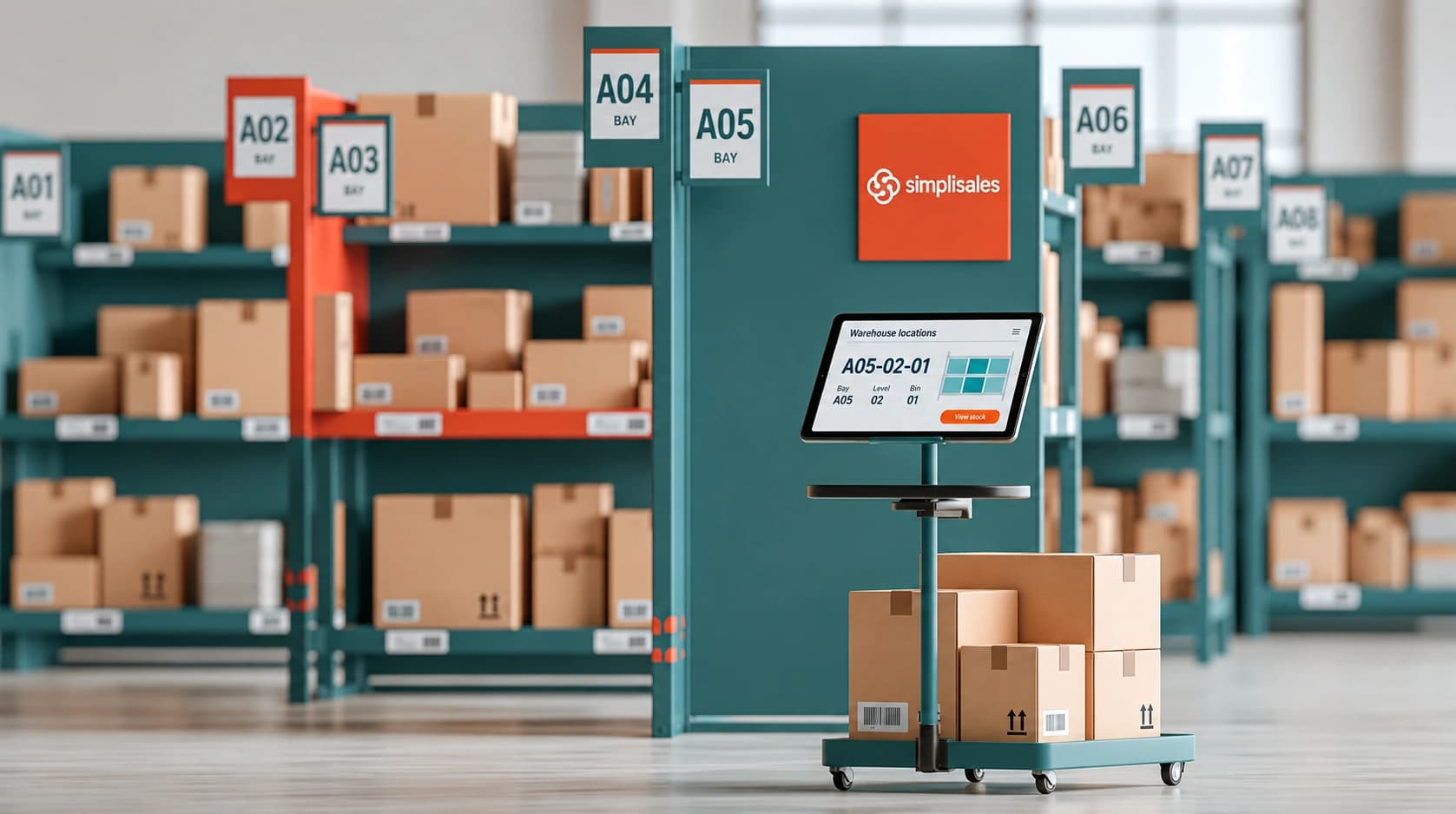
Logistics · 21 SEPT 2026
Warehouse Location Codes for Wholesalers
Why warehouse location codes matter A warehouse operative receives a picking list for twelve products. The stock is […]
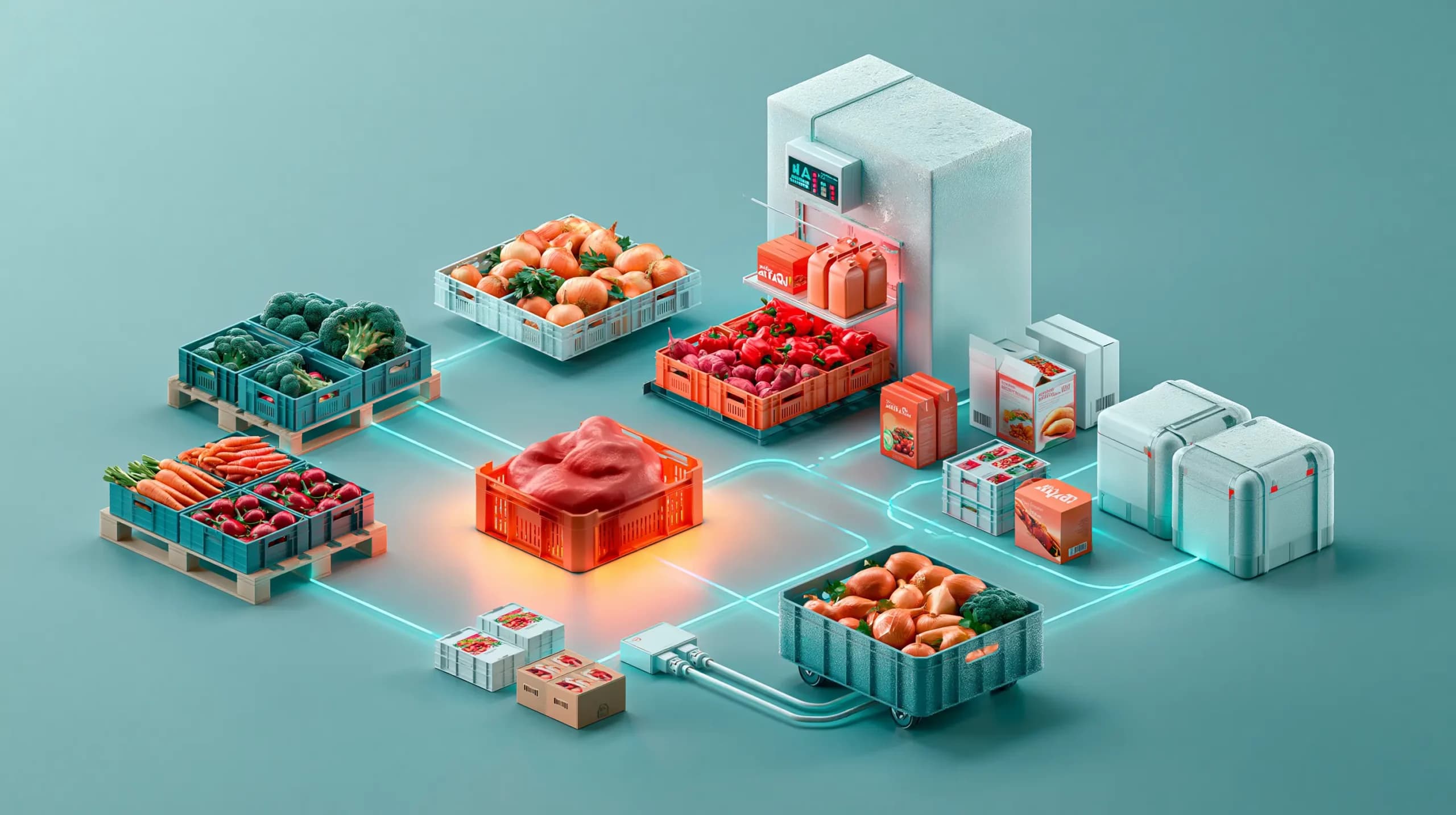
Logistics · 11 SEPT 2026
Food Distribution Software and Batch Traceability: What Must Stay Connected
Why batch traceability depends on connected records Imagine that a supplier tells you that a batch […]
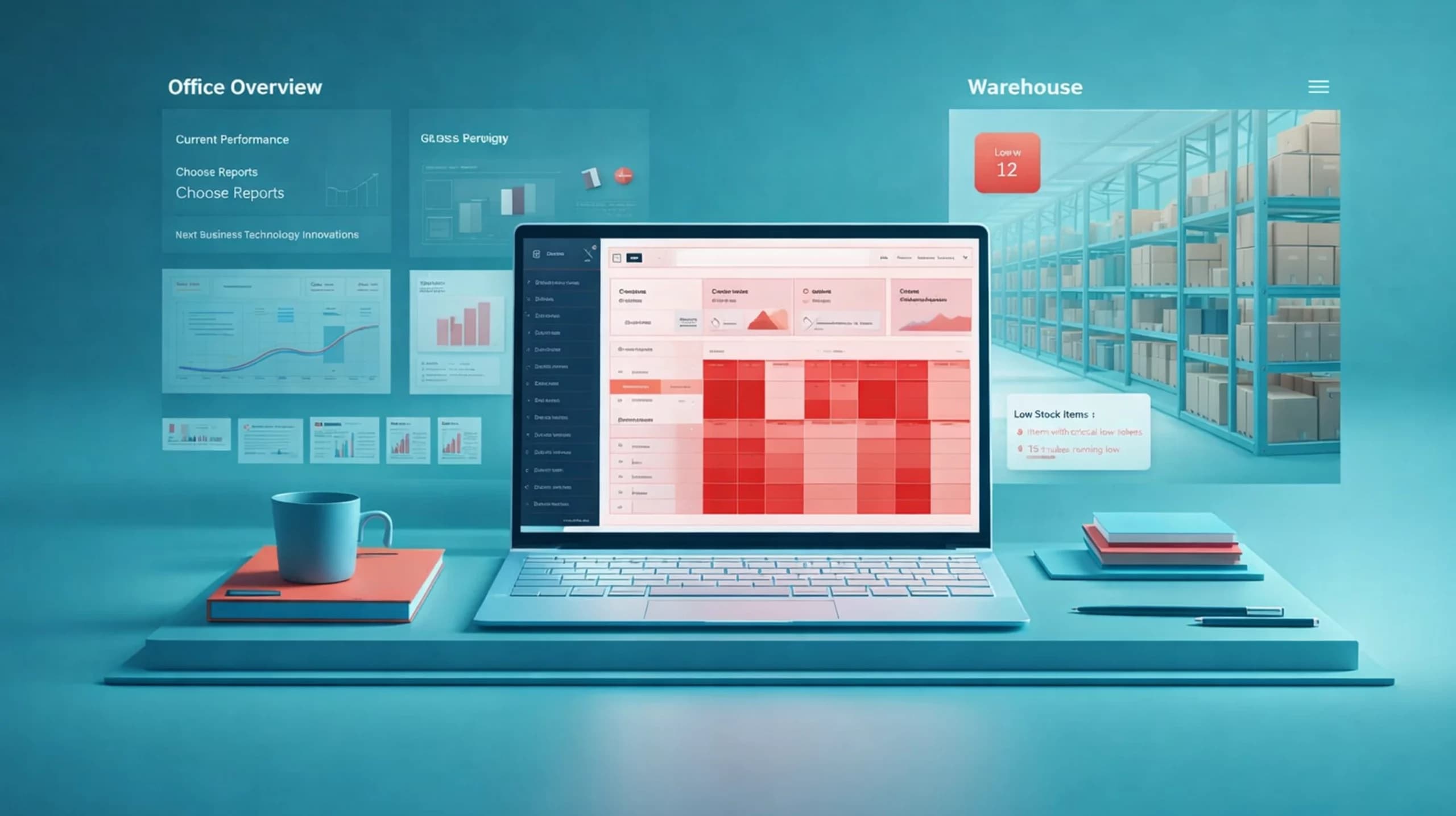
Logistics · 14 FEB 2026
Why Spreadsheet-Based Inventory Management Breaks at Scale
You might perceive spreadsheets as the simplest tool for inventory control if you are a growing wholesaler, distributor, or operations manager, but once orders skyrocket and items spread across multiple warehouses, while real-time accuracy becomes critical, they instead turn into a bottleneck rather than a solution. This article begins with a discussion of why spreadsheet-based […]
Run your business,
without the complexity
Start free · Try paid plans for 30 days.
