

It’s 7 a.m. when the first delivery truck drives into your warehouse. The morning buzz begins with the pallets that are stacked and the boxes that are waiting. The warehouse team members put the manifests through quality control, pack the shipments, and do everything to keep it all in sync.
A moment later, you take your first sip of the coffee when a customer message pings in – an order is short of one item. Somewhere, a box has gotten lost between the stockroom and the delivery van.
You know this situation, right?
Such is logistics at work — all the while, the hidden engine driving it is eCommerce.
For wholesalers and eCommerce enterprises alike, logistics expands far beyond moving goods.
This is the skill (plus, it is science) of making sure every order, pallet, and product will reach the customer at the correct time — all this without any problems, delays, or missing stock.
What is Logistics?
Simply stated, logistics is the process of managing the transportation, storage, and flow of goods, services, and information. It encompasses all activities from warehousing and inventory control through shipping and delivery.
The strategy is very simple: make sure you have the exact item, in the proper quantity, at the exact location, and at the right time — doing so at the lowest possible cost.
Properly executed, logistics can make a business truly different. It allows you to:
- Cut costs and transportation timelines
- Increase productivity
- Keep customers happy and loyal
In today’s fast development era, transport logistics is no longer just about. It is a combination of technology, data, and coordination — linking suppliers, fulfilment centres, and customers across the globe. Companies that use the latest logistics management tools, such as the Simplisales Dashboard, for instance, get clearer operational visibility and can take timely and informed decisions.
What is an eCommerce Supply Chain?
An eCommerce supply chain serves as the foundation of an online business. It includes all steps involved in taking the product from the manufacturer to the customer’s house.
It begins with procurement, moves through warehousing, and ends with delivery. The whole chain consists of steps, and every single step should work in unison.
Good supply chain management can:
- Help you deliver orders faster
- Help you keep stock accurate
- Help you build relationships
The Simplisales App not only allows you to track orders, manage stock, and communicate with customers, but it also involves technology. This is the reason for eliminating bottlenecks and allowing your logistics process to run like clockwork.
The 5 Parts of the eCommerce Logistics Chain
A good starting point to know logistics is to go through its foundational elements. Here are the five integral phases:
1. Suppliers
Every supply chain is led by suppliers or manufacturers. They are the ones who arrange or produce the items which form part of your sales list. For wholesalers, the active collaboration with trustworthy suppliers provides a firm basis for the continuous flow of goods and fewer unpleasant surprises at the time of sharp demand increases.
2. Fulfilment Centres
Fulfilment centres serve as the implementation node. They deliver a unit of stock, assemble orders, and arrange shipments once a customer checks out. Currently, there are solutions, like the Simplisales Website, which would help you directly link to the fulfilment system, keeping your online store in sync, providing real-time order updates, and ensuring the smooth delivery process.
3. Distribution Centres
Distribution centres act as large logistical points that get and ship goods in bulk before going to available regional hubs or clients. They enhance the overall performance of your operation, especially when it comes to time-sensitive business-to-business deliveries.
4. Sorting Facilities
Sorting facilities are parts responsible for goods processing and distribution to specific destinations. Although you might be dealing with many small units or large pallets, timely sorting is what mostly defines whether your product will reach its final point in a fast way.
5. Carriers
Carriers are either third-party logistics providers or your company vehicles, which are the terminal component in the logistics chain. Reliable carriers and effective communication are key ways to eliminate delays, improve tracking, and enhance customer satisfaction.
How to Address eCommerce Logistics Problems
Every well-oiled logistical machine still runs into obstacles along the way. The magic lies in the realisation of the weaker areas and the implementation of the most intelligent and appropriate solutions.
Optimise Inventory Management
- Check stock levels in real-time through digital tools.
- Utilise demand forecasting to preclude the occurrence of overstocking or stockouts.
- Adopt a just-in-time inventory model to decrease the total stock you have.
Through the Simplisales Dashboard, you are able to oversee warehouse stock, incoming orders, and delivery times all from one platform, which means you are always prepared.
Improve Order Processing
- Perform a few of the manual jobs through automation to fulfil the order rapidly.
- Utilise barcode scanning or digital order picks to cut down on human error.
- Simplify your order intake with the integration of an order management system like the Simplisales App.
Enhance Warehousing Efficiency
- Rearrange your warehouse layout for easy movement.
- Implement warehouse management software for maximising space utility.
- Ponder subcontracting to third-party logistics (3PL) service providers if scaling suddenly becomes a problem.
Strengthen Shipping and Tracking
- Deliver multiple shipping options.
- Enable customers to track their consignments in real-time, which is a quick and easy method to gain their trust.
- Use the Simplisales Website integrations to make the customers immediately see where their order is in the delivery process.
Maintain Clear Communication
- Keep regular contact with suppliers, carriers, and customers.
- Collect logistics feedback and adjust your processes accordingly.
Commit to Continuous Improvement
- Pledge for Continuous Improvement
- Systematically verify performance indicators
Common Challenges in eCommerce Logistics
Supply Chain Visibility
Lack of visibility at the real-time level makes proper logistics management very difficult. Insufficient tracking can make the system confusing and result in delays. The Simplisales Dashboard is such a solution that displays a central view of orders, shipments, and performance metrics.
Inventory Management
Too much stock means wasting money and space, while no stock is a customer’s frustration. The use of smart inventory tools is one option that comes to mind — we discuss this more in our post, What is eCommerce Inventory Management?
Returns Management
Returns are an integral part of eCommerce. The most important thing is to handle them right. Implementing a well-managed return logistics system can convert a possible shortcoming into a tool for enhancing the customer base.
Technology Integration
A lot of enterprises find it troublesome to link their individual systems, for instance, sales, stock, and logistics. The Simplisales Platform solves these problems and supplies wholesalers with a well-organised ecosystem to operate from.
Environmental Impact
Not a single shipment, but hundreds of them contribute to your carbon footprint. Instead of going physically to the sales representatives, switching from digital orders to processing through the Simplisales App and Website reduces the necessity of sales reps’ visits, thus making emissions cleaner and practices of your operations greener.
Data Protection
Customer data is a valuable asset; hence, it must be kept secure. To this end, you must employ reliable systems and ensure that your logistics partners are in compliance with the data protection regulations.
Order Packing and Shipping: The Final Mile
This is the moment when your logistics plan comes into reality. Each order that is shipped from your warehouse impacts the brand’s reputation.
Picking and Sorting
Identifying and retrieving the correct item is quick. With the help of automation, this stage can be accomplished with huge time savings as well as minimising picking errors.
Packing
Whether it be using boxes, wraps, or pallets, the right materials must be employed to safeguard goods during transport. Smart packaging will also save you shipping costs..
Quality Checks
Before the products are dispatched, every package should be checked. A simple quality control procedure might effectively bring down both returns and complaints.
Labelling and Documentation
Correct labels can eliminate possible misdeliveries. Add the recipient’s details, tracking numbers, and attachments inside each package.
Weighing and Measuring
It is advisable to weigh each parcel so that shipping costs are calculated accurately. This helps curtail billing disputes and delays.
Carrier Selection
Choose a logistics partner who operates on a scale that is suitable for both your business and customer needs. Reliability is often a higher priority than merely cost, and tightly fitted.
Real-Time Tracking
One of the features you can easily automate without any effort through the Simplisales App is to make your customers feel safe with live tracking updates.
Delivery Confirmation
Dispatch confirmation messages once the order is received. This is the last step in the process and will make your service professional.
Returns Management
Make the return process easy. A simple and fast returns policy can change the minds of angry customers and make them loyal ones.
Types of eCommerce Logistics
In-House Logistics
All the things are managed by you — from warehousing to shipping. This way, you get the control and perhaps the cost is less in the long run, but it requires a lot of knowledge and capital.
Third-Party Logistics (3PL)
You outsource logistics to an external provider. It’s cost-effective for growing businesses that want to scale fast without heavy infrastructure.
Reverse Logistics
Encompasses everything about returns, exchanges, and recycling. A positive experience with the reverse logistics process can achieve both trust and repeat purchases.
Conclusion
At its core, logistics is about connection — joining your warehouse with your customers’ door and linking your business with its total potential.
The joclinch internet is reshaping itself again and again, and logistics is the key to being successful in this journey. Simultaneously integrating with smart tools like the Simplisales App, Simplisales Website, and Simplisales Dashboard can not only help you in streamlining logistics but also increase your visibility and provide your customers with the best service without failure.
Related Blogs
Explore more insights for your wholesale business.
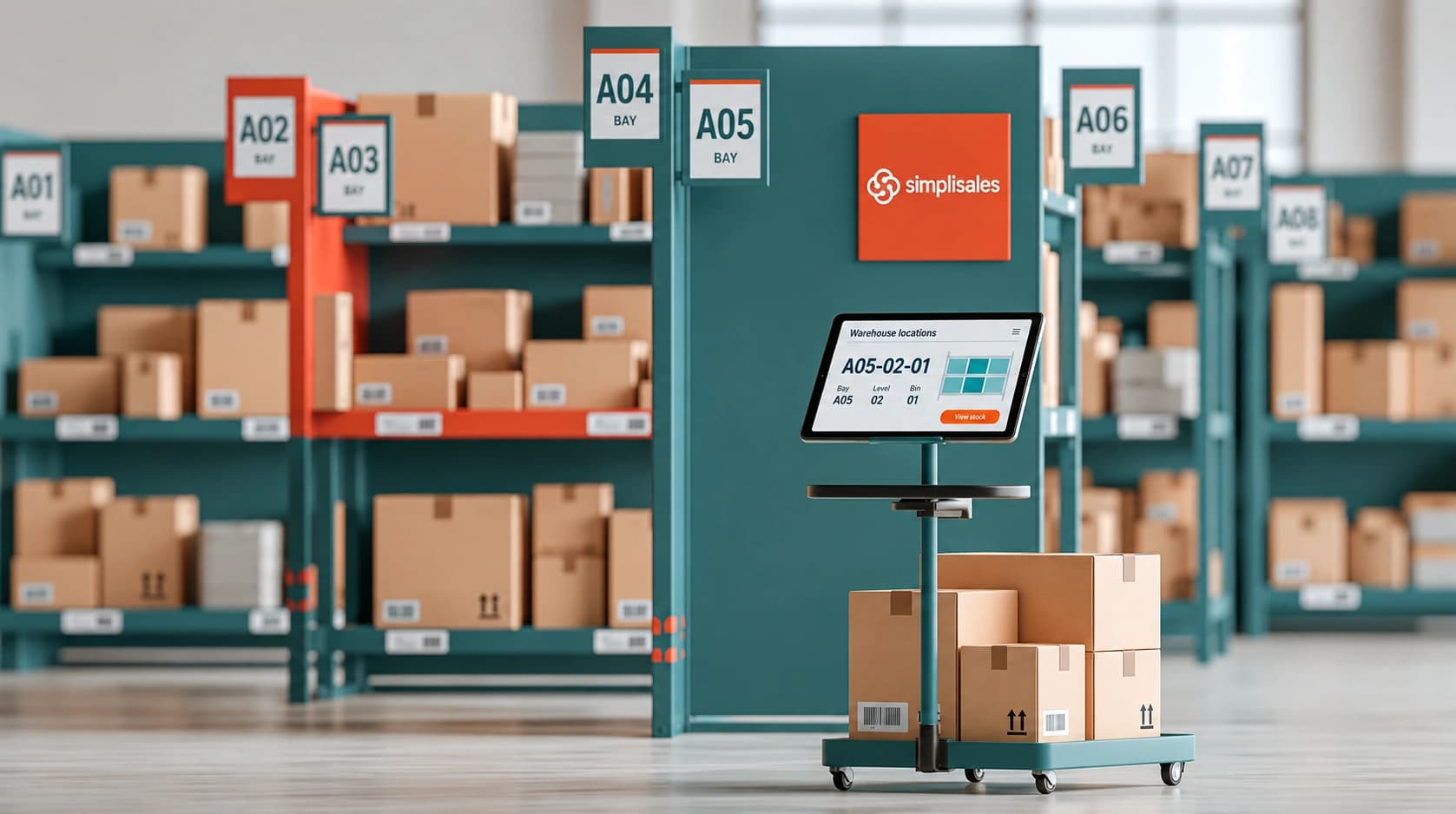
Logistics · 21 SEPT 2026
Warehouse Location Codes for Wholesalers
Why warehouse location codes matter A warehouse operative receives a picking list for twelve products. The stock is […]
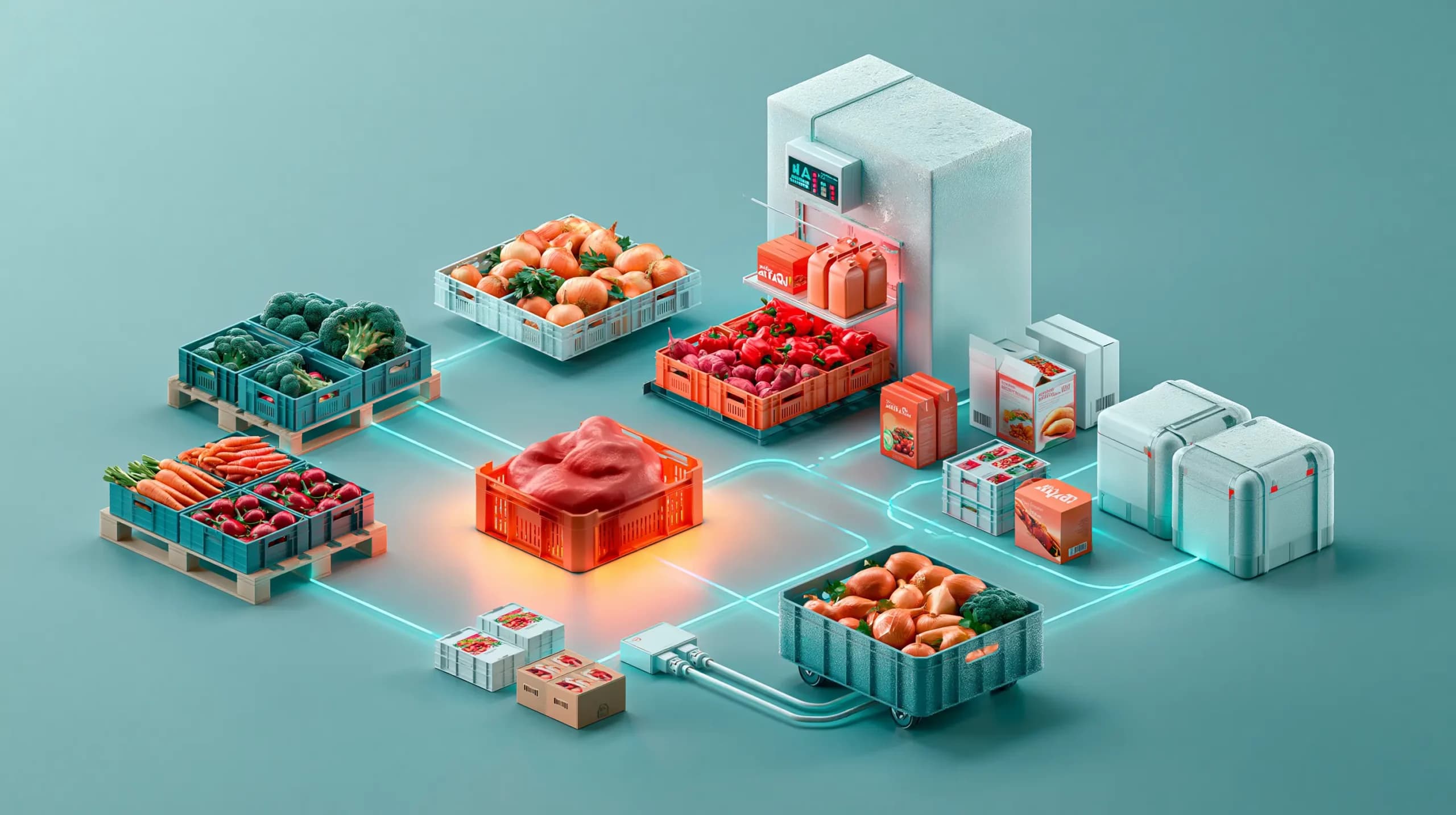
Logistics · 11 SEPT 2026
Food Distribution Software and Batch Traceability: What Must Stay Connected
Why batch traceability depends on connected records Imagine that a supplier tells you that a batch […]
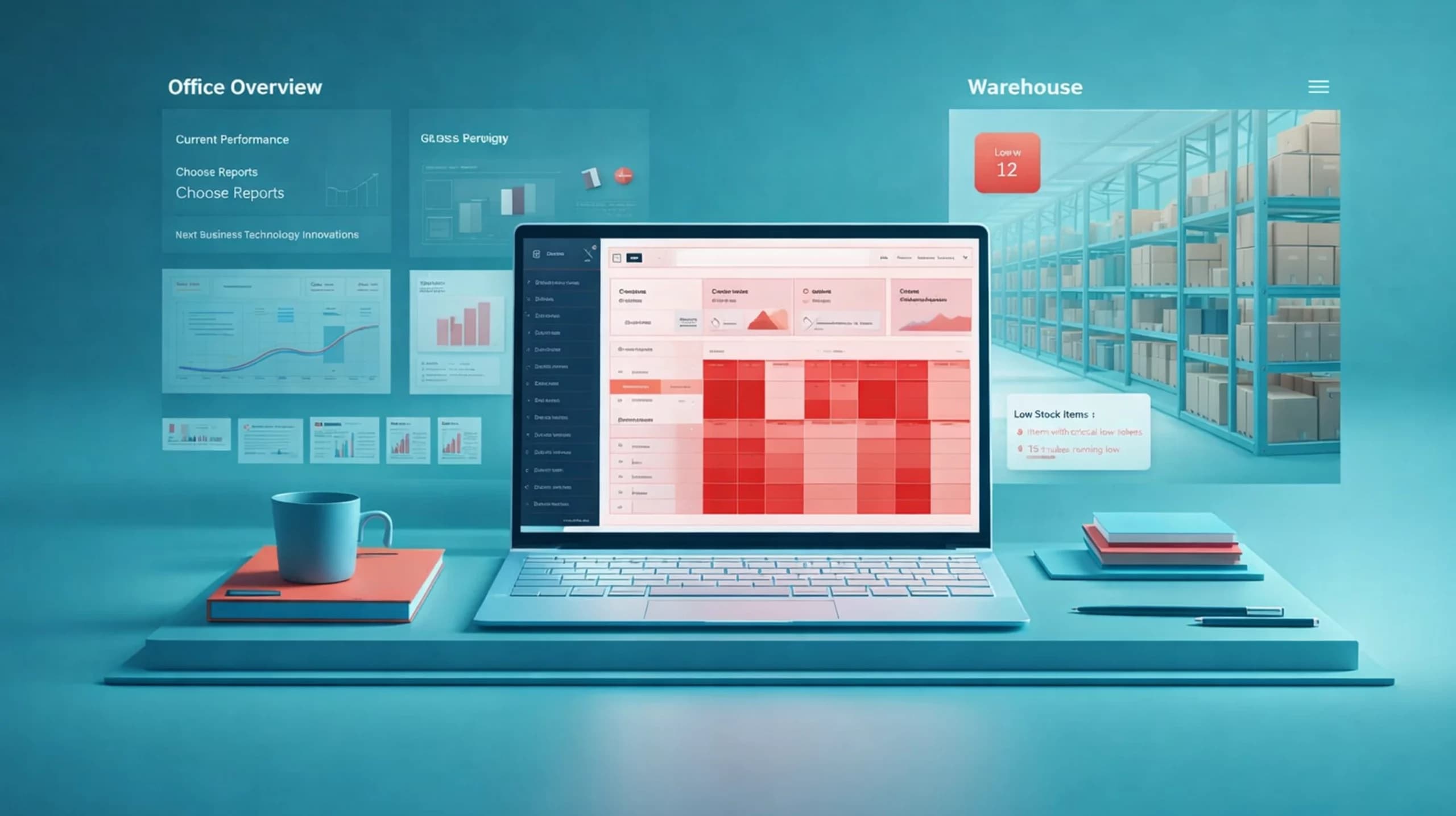
Logistics · 14 FEB 2026
Why Spreadsheet-Based Inventory Management Breaks at Scale
You might perceive spreadsheets as the simplest tool for inventory control if you are a growing wholesaler, distributor, or operations manager, but once orders skyrocket and items spread across multiple warehouses, while real-time accuracy becomes critical, they instead turn into a bottleneck rather than a solution. This article begins with a discussion of why spreadsheet-based […]
Run your business,
without the complexity
Start free · Try paid plans for 30 days.
