Wholesale Apps: Transforming the Way Wholesalers Operate
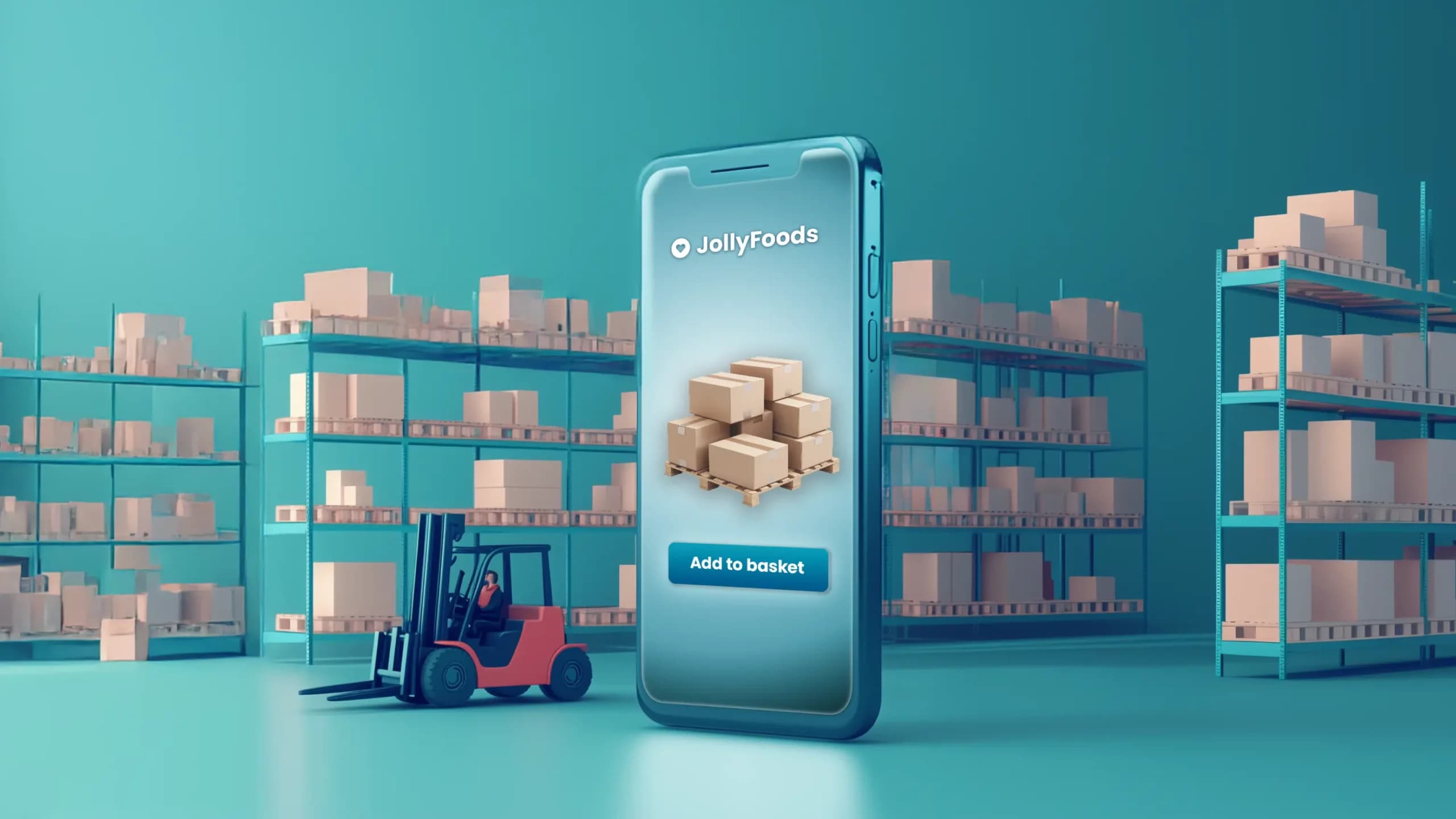

What Is a Wholesale App?
Wholesale apps are software solutions for wholesalers that allow all tasks associated with the wholesale business to be completed through a single application, such as order tracking, stock management, and communicating with customers. These applications are aimed at the relevant demands of wholesale organisations and contain the corresponding tools for carrying out extensive deals and B2B processes.
Apps have become increasingly common in today’s society, where mobility is the new norm, and so are wholesale apps. Whether it’s to price or organise the products you stock or take orders effortlessly from your wholesale clients, these apps make your wholesale more flexible.
Key Features of Wholesale Apps
As with all things, apps offer a plethora of features that tailor them to the needs of B2B companies; otherwise, they won’t be able to successfully revolutionise the wholesale industry in the way they deserve. Here are some key functionalities to look for:
- Order Management: Makes it easier to receive, sort and track orders accordingly.
- Inventory Tracking: Daily notifications of inventory status to prevent overstocking or out-of-stocking.
- Integration Capabilities: Very well integrated to work with ERP and eCommerce solutions.
- Custom Pricing: Permits customers to be grouped into categories where they are charged differently.
- Mobile Accessibility: Usable on iOS and Android for convenience while active.
- Analytics and Reporting: Helps appropriately identify the buyers’ sales patterns and behaviours.
To be more precise, the following suggestions are imperative if designers are to develop an application that will conform to wholesalers’ requirements for operational and customer-facing tasks:
The Benefits of Using Wholesale Mobile Applications
Wholesale apps provide a competitive edge by automating time-consuming processes and enabling businesses to operate more efficiently. Here’s how they benefit wholesalers:
- Enhanced Productivity: Automation reduces manual work, saving time and resources.
- Better Customer Experience: Faster order processing and accurate stock updates improve customer satisfaction.
- Cost Savings: Minimises inventory and order management errors, reducing operational costs.
- Data Centralisation: Keeps all business data in one accessible platform for streamlined management.
- Scalability: Supports business growth without requiring a significant increase in resources.
For example, wholesale ordering apps allow customers to place bulk orders directly, eliminating the need for constant back-and-forth communication. This level of convenience not only saves time but also strengthens customer relationships.
Types of Wholesale Apps for Different Needs
To cater to such needs, wholesale apps are competitive tools that accomplish specific tasks and help reduce overall time businesses spend. Here’s how they benefit wholesalers:
- Enhanced Productivity: Work is automated to reduce time consumption and effort.
- Better Customer Experience: This is because more orders are processed within a shorter time, and customers are happy since the stock of the products is usually updated accurately.
- Cost Savings: Reduced chances of errors in handling inventories and orders, hence cutting down the list of operational costs.
- Data Centralisation: Organises all business data within a single system for better control.
- Scalability: Flexible business model that allows business growth without a direct equivalent of a significant investment.
To understand key features that need to be in an app to select the most appropriate one for your given business. For instance, if managing customer relationships is your priority, you will find CRM-integrated apps the most beneficial.
Choosing the Best Wholesale App for Your Business
With countless options available, selecting the best wholesale app can feel overwhelming. Here are some tips to help you make the right decision:
- Define Your Needs: Determine your business’s issues and look for an application to help solve these problems.
- Check Compatibility: It is necessary that the app can be integrated with any existing systems you have put in place.
- Consider Scalability: First and foremost, select a solution that is scalable and thus will be able to adapt to your business needs as you expand or change.
- Evaluate User Interface: Choose the app created with a straightforward interface and navigation logic.
- Read Reviews: Gather feedback from other organisations within your type of business.
For example, if you’re heavily reliant on mobile operations, prioritise optimised apps for Android and iOS platforms.
How Wholesale Apps Enhance eCommerce Operations
Wholesale apps help eCommerce businesses by standing between physical wholesale companies and digital business selling.
- Faster Order Fulfillment: Some tasks include ensuring orders are processed and delivered as quickly as possible by automating activities.
- Customer Self-Service: Enables buyers? customers to browse through product catalogues, order products and track shipments without assistance.
- Streamlined Communication: Facilitates the flow of communication wholesalers have with their customers.
- Real-Time Data Access: Helps make on-the-go decisions using information from such databases.
- Integration with eCommerce Platforms: Provides consistent systems to expand organisational effectiveness.
When wholesale applications are incorporated into the business-to-business eCommerce processes and procedures, businesses can enhance their respective company’s efficiency while simultaneously serving the buyers’ needs.
Future Trends in Wholesale App Development
The nature of the wholesale platform application continues to change due to the new trends being developed to suit the changing needs of B2B companies. Here are some trends to watch:
- AI-Powered Features: Strengthens profiling and profiling for improved customer understanding.
- Blockchain Integration: This brings in the extra and even extra layer of realising and ensuring the safety of the transactions.
- Augmented Reality (AR): It facilitates virtual product demonstrations and improves purchasing experience.
- IoT Integration: Integrates physical and digital operations required for proper inventory management tracking.
- Sustainability-Focused Features: Contributes to enhancing resource utilisation and minimising waste for an organisation.
To do this, you must ensure your business is always in line with these technological advancements and always at the forefront of any wholesale market.
Conclusion
Today, profit-making organisations can hardly think of operating without wholesale apps as these are designed to aid the wholesalers in the abovementioned ways. These apps are based on the specific requirements of B2B industries, from inventory tracking to order management.
Thus, solving problems based on modern trends and technologies when creating wholesale applications will help the business remain competitive. Whether you are a new distributor or trying to improve your current business, having the right wholesale app makes a big difference for your business.
Related Blogs
Explore more insights for your wholesale business.
Ecommerce Tips · 10 AUG 2026
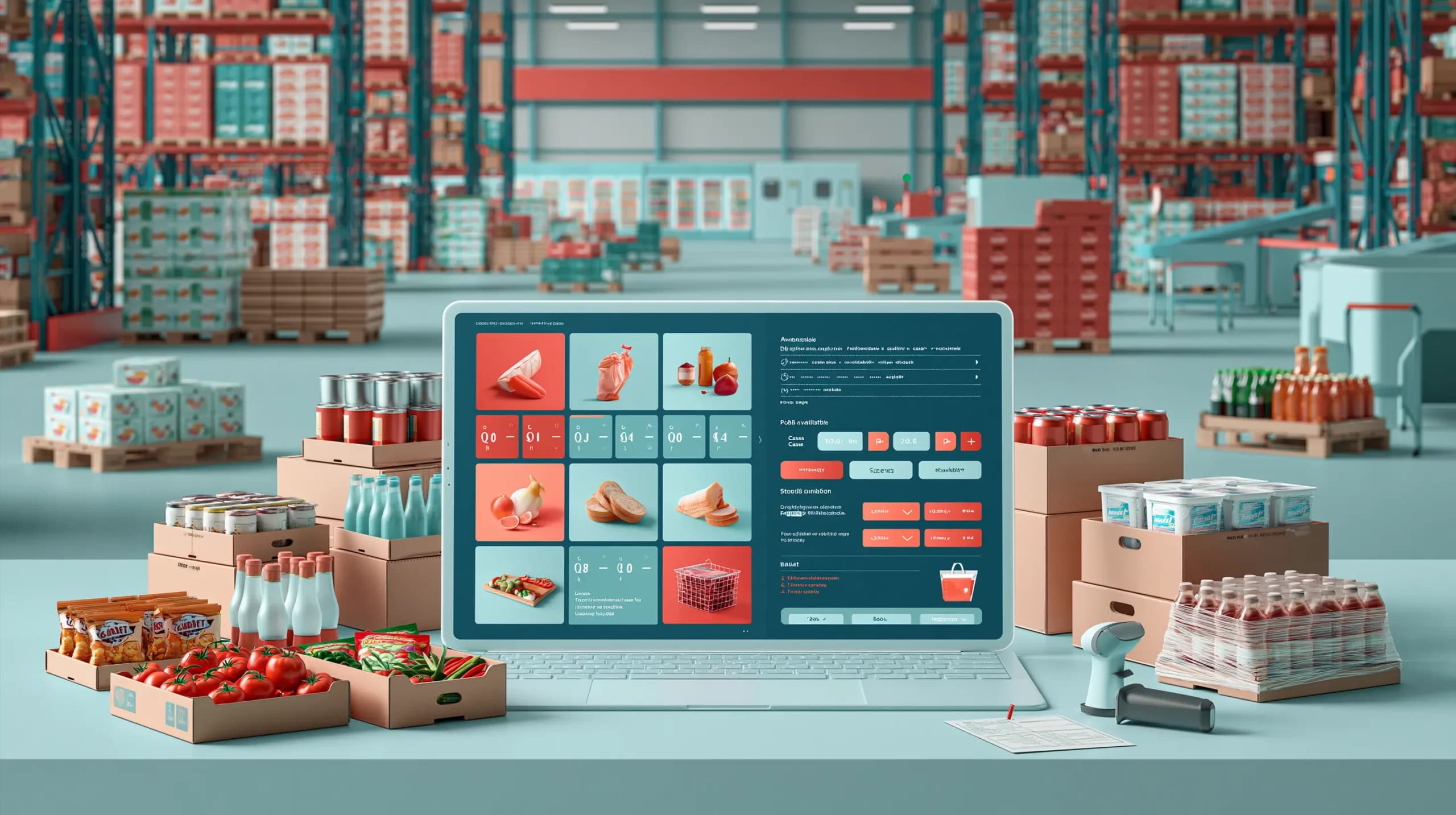
Food Wholesale Ordering Software: 12 Features UK Distributors Actually Need
This blog post covers the 12 features UK food distributors should prioritise when choosing food wholesale ordering software, from customer-specific pricing and multiple pack sizes to real-time multi-warehouse stock, batch and expiry tracking, purchasing, warehouse picking and delivery operations. It also highlights the importance of fast repeat ordering, offline sales rep tools, AI-assisted capture of […]
Ecommerce Tips · 07 AUG 2026
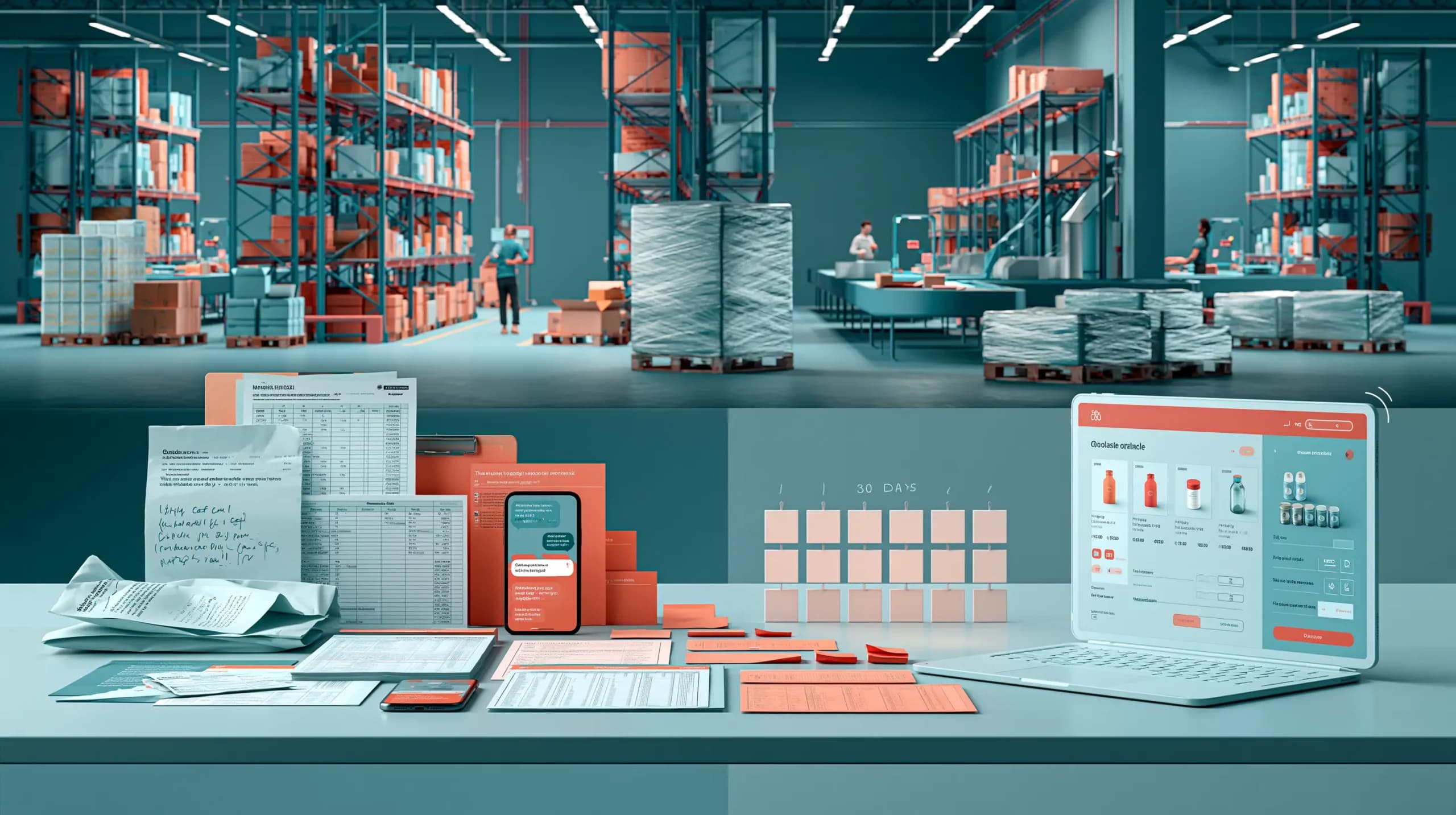
From Email Orders to a Wholesale Ordering Portal: A 30-Day Migration Plan
This blog post provides a practical 30-day plan for moving wholesale customers from fragmented email, telephone, spreadsheet and representative orders towards a structured wholesale ordering portal. It covers mapping existing workflows, cleaning customer and product data, configuring account-specific pricing and wholesale rules, testing real ordering scenarios, piloting with selected customers and gradually expanding adoption. Rather […]

Ecommerce Tips · 03 AUG 2026
Wholesale Ordering Software: Features, Costs and Implementation
This guide explains what wholesale ordering software is, the features that matter most for B2B wholesalers, typical pricing models, and how to implement a system successfully. It compares different ordering approaches—from spreadsheets to enterprise platforms—and highlights the importance of customer-specific pricing, real-time stock visibility, sales rep tools, integrations, and multi-channel order capture. It also provides […]
Run your business,
without the complexity
Start free · Try paid plans for 30 days.
