

This moment happens in almost every B2B firm that is on a growth path — increasing orders, new customers joining, and rising revenues. Of course, everything seems good at the surface.
However, within the company, it feels like a chaotic process.
Your group is under pressure now. The number of unanswered emails is climbing. Besides, the warehouse is currently the most packed it has ever been. And the sales team is looking for information. Meanwhile, finance is doing the reconciliations manually every week.
Invariably, the suggestion comes up
We need to recruit.
But is it really necessary?
Adding staff is not the sole tactic to B2B operations scaling, which mainly means not to torture your team with additional burdens. It primarily concerns the restoration of order, which is disturbed by the growth. Taking a look at the reasons why new hires are not the unique solution and how increasing operational efficiency truly is the key to growth.
The Hidden Cost of Operational Growth
Generally speaking, Growth appears to be charming, but practically, it is a source of stress.
Increased orders imply that:
- The manual data entry will be more
- More stock will be moved
- There will be more customer queries
If your systems are not interconnected, one new order increases the administrative workload exponentially.
This is where the operational efficiency in B2B becomes vital. Growth without process improvement simply adds more burden to the existing teams.
McKinsey’s research shows that companies that enhance operating productivity via process optimisation often do better than those that rely primarily on labour force expansion.
Unstructured growth does not scale; instead, it stretches.
Why Hiring Isn’t Always the Solution
Recruitment is often seen as a movement forward. However, hiring additional people to the inefficient processes often causes even more complexity than it solves.
Think about it this way:
- An increasing number of orders entails more data entries in a situation where the order process is manual.
- If stock updates are behind schedule, adding more stock means more changes.
- Approval chains for sales quotes need to be signed by more customers, which results in more bottlenecks.
Recruitment incurs extra costs; not only that, but it still doesn’t get rid of inefficiency.
It might be a better idea to ask the following questions before you start recruiting:
- Are we dealing with a volume problem or with a workflow problem?
- Can this amount of work be avoided through automation?
- Are we systems doing enough heavy lifting?
Many times, the main problem is not in capacity but in the intertwined system and manual operations.
Automating Sales and Warehouse Workflows
The best method to grow B2B operations without adding more staff is through automation.
We are not talking about exciting automation but instead practical automation.
For wholesalers, this usually refers to:
- Online orders are coming straight into the inventory
- Stocking automatically aside when the sales are confirmed
- Purchase orders created by real demand
- Actual status of everything visible throughout different departments
For instance, Simplisales Website is the solution since it enables your customers to place their orders directly into your operational system, thus eliminating the manual order entry completely.
On the other hand, Simplisales App provides sales reps with the opportunity to immediately note sales orders in the field, thus putting down the back-and-forth administration tasks.
When the workflows interconnect automatically, the growth does not multiply the admin work.
Reducing Manual Workload Across Teams
In wholesale, manual operations are the quietly dying factor of the growth.
They come out as:
- Transferring data between systems
- Modifying spreadsheets
- Identifying stock availability manually
- Re-confirming the price list
Each of them looks minor. All together, they cost hours every day.
Gartner estimates that process-automation and system-integration-centric companies reduce operational errors and save significant time by freeing up internal resources.
The key sectors to address are the following:
1. Order Processing
Rethink the sales data re-entry process. The orders should transfer from sales to the warehouse without an intermediary.
2. Inventory Updates
Stock levels should reflect changes in real-time to eliminate the need for verification and correction.
3. Reporting
Reports should be presented on dashboards immediately for resource managers rather than manual reporting.
This is the point where the Simplisales Dashboard becomes a key value. It pools the operational data in a single source so that teams do not run after figures but rather operate based on them.
Scaling Efficiently with Connected Systems
In the business-to-business trade, the real scaling does not happen through layering. It is through the elimination of the same.
Linked up systems guarantee:
- One truth of inventory
- The same price on all platforms
- Sales, warehouse, and finance automatically connect with each other
- Transparency in operations
You are not employing extra staff to handle complexities; you are simply reducing complexities.
The systems that synchronise themselves:
- Sales teams sell
- Fulfilment runs the warehouse
- Finance does analysis, not reconciliation
This is the real picture of how to grow a business with no new hiring.
The Strategic Advantage of Lean Scaling
There is a customer edge to the scaling efficiency side of things.
Businesses that rely on increasing headcounts face challenges such as high overheads. Those companies that turn to robots and other mechanisms of process automation for their tasks and maintain flexibility.
Resourceful in the unpredictable market, agility becomes the difference.
A body with a lean structure can:
- Absorb demand spikes
- Enter new markets
- Launch new product lines
- Manage seasonal variation
Without the need for immediate payroll expansion.
The cycle of efficiency grows with every improvement, leading to the next level of growth.
Conclusion: Growth Should Feel Controlled
If the growth process is more the cause of your stress than an instrument of your strategy, then you are having some issues with the system.
It is not just telling the teams to do more, but rather laying out smarter workflows that help in revenue B2B operations grow without headcount increases.
When your connected sales channels, warehouse, and reporting tools are linked:
- Order processing happens on autopilot
- The inventory is always accurate
- Decisions go faster
- The teams align, and with no chaos, they grow together.
McKinsey & Company – To unleash productivity growth in Europe, rewire your operations
Related Blogs
Explore more insights for your wholesale business.
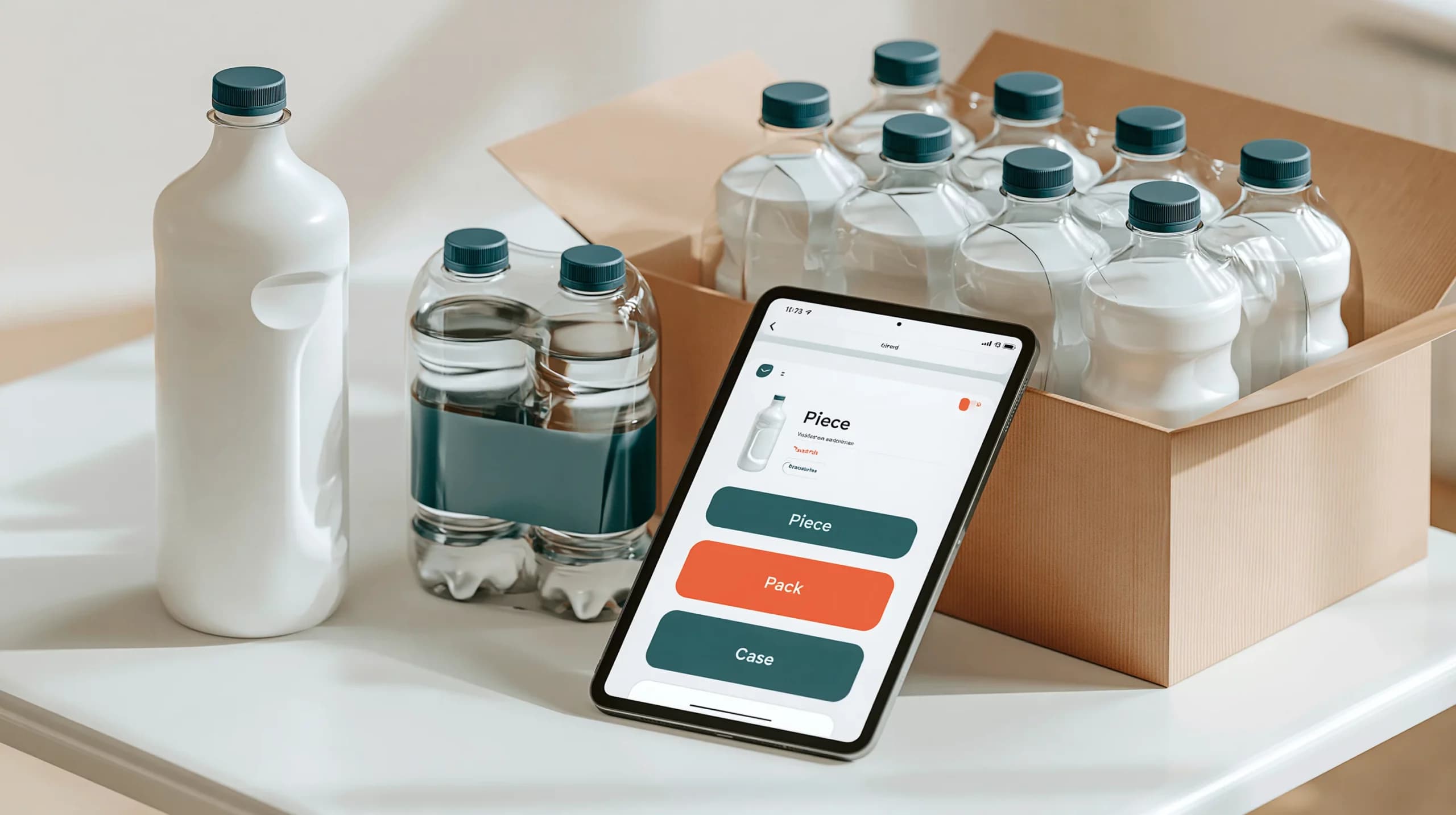
Operations · 28 SEPT 2026
Digital Wholesale Catalogues: Managing Pack Sizes
Why digital catalogues are more than online product lists A buyer opens a wholesale catalogue and finds three versions of […]
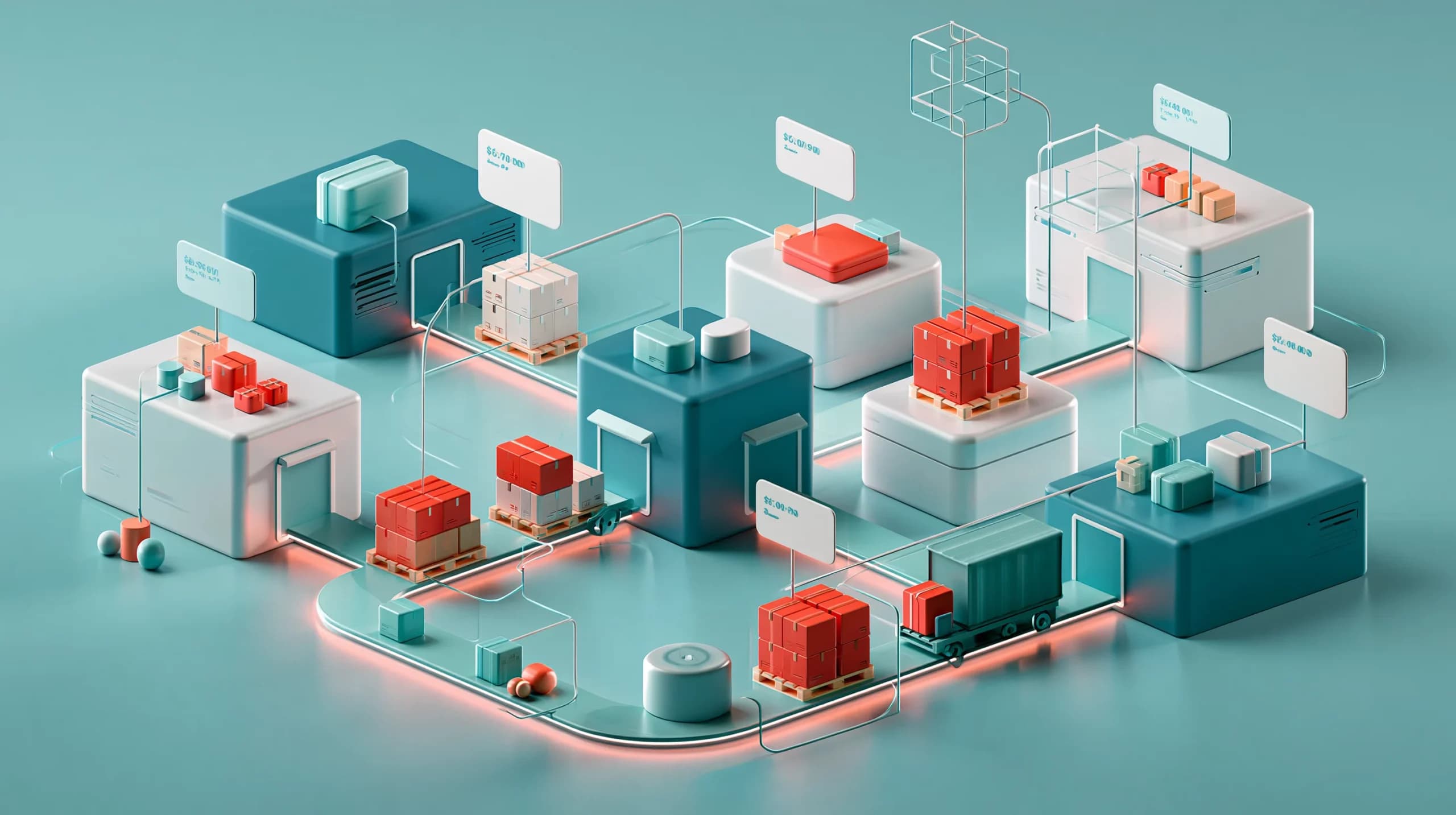
Operations · 04 SEPT 2026
Distributor Ordering Systems: Supporting Branches, Buyers and Account-Specific Pricing
Why distributor ordering is different A distributor may have one customer account with five branches, twenty buyers and several delivery addresses. […]

Operations · 31 AUG 2026
B2B Order Management Systems: Which Statuses, Approvals and Rules Do You Need?
Why B2B order management needs more than an order list At 8.30 on a Monday morning, a wholesaler’s […]
Run your business,
without the complexity
Start free · Try paid plans for 30 days.
