The Silent Bottleneck in Wholesale Operations: Decision Latency


You are talking to your warehouse manager on the phone at 10 a.m. They have just let you know that a key product will not get delivered in time for dispatch, the inventory numbers might be incorrect, and the sales department is already promising delivery dates that cannot be met.
You direct your attention to the dashboard. At first sight, nothing seems to be wrong. However, someone inquires:
Why haven’t we been informed sooner?
You are really not facing a logistics issue. What you are actually dealing with is decision latency, the silent delay between perceiving information and acting on it. In wholesale trade, where profits are slim and customer expectations are so high, this delay is not only annoying but also costly.
Let’s analyse what decision latency is, its significance in wholesale operations, and how modern, real-time systems such as the Simplisales Dashboard help companies implement positive changes faster, with less friction and in an intelligent way.
What Is Decision Latency?
Essentially, decision latency refers to the duration between:
- The moment crucial information is accessible and
- The time when a correct operational decision is given based on that info.
Unlike a delay in the physical world, such as a slow shipment or a late truck, it is not a real-time delay. It is a managerial and cognitive delay, the time wasted in obtaining approvals, checking data, or simply not knowing what to do next.
The practical scenario includes:
- Waiting for hours to get a purchase authorisation
- Delaying the decision on how to route a shipment until someone replies
- Postponed warehouse reallocation under the pretext of “we need more data”
- Delayed pricing adjustments despite the fact that demand patterns have shifted
The most interesting part? Decision latency is, in fact, the best reason for operational delays, even more so than transport time or processing speed, traditional bottlenecks.
Why Decision Latency Is So Dangerous in Wholesale
Wholesaling is a multifaceted business. It requires the multitasking of:
- Numerous inventory locations
- Variety of customer requests
- Procurement lead times
- Sales forecasts
- Dynamic pricing
All these tasks necessitate making decisions promptly and rightly.
However, the slowness of decision-making triggers a lot of problems for all businesses:
1. Lost Opportunities
When you delay taking action on the signals of inventory shortage or supplier changes, your competitors act more swiftly. Customers have low tolerance for delay, and every hesitation is a lost sale.
2. Inflated Costs
An internal delay of 24-48 hours may be trivial…but wait a moment, what does it mean: you have paid for:
- Overnight freight to be on time
- Emergency orders from a different supplier
- A storage facility that is not planned for the future
- Fulfilment penalties for late orders
3. Eroded Team Confidence
Deciding slowly produces confusion and unreadiness. The sales department might, for instance, rely on assumptions while the warehouse guys would be waiting for orders, and finance would put on hold the approvals, changing the operational rhythm from a proactive one to a reactive cycle.
The Root Causes: Why Decisions Take So Long
While it is easy to point fingers at the culture, leadership, or so-called decision-makers, the truth is that the majority of the time, the issue arises from the structure:
Fragmented Data
Even though you might be having data pertaining to stock, orders, suppliers and sales, if it is totally bimolecular, no one is situating the whole reality. It consequently leads to lag and verifications
Manual Approvals
Multiple layers of sign-off hinder effective decision-making. The procurement request transforms into a lengthy chain of emails that prolongs the process instead of ending it as intended.
Unclear Ownership
When the responsibility is divided, nobody feels qualified to make a quick decision. At the same time, teams hang on to consensus or alignment instead of taking action.
Risk Aversion
Long periods of fluctuations in trading systems and demand have led teams to resist with doers decisons. Such a state occurs when teams cannot act without the full knowledge of the associated risks.
Why Traditional Tools Don’t Solve It
Typical accounting and reporting systems don’t possess the ability to take the initiative; instead, they only react. They provide you with the information on past events but not with the current conditions that require an action to be taken.
Before the old systems get updated and the people get to evaluate them:
- The sign is gone
- The scene has altered
- The possibilities have gone without you
Thus, even in data-rich companies, decision latency is there.
Closing the Decision Gap With Real-Time Systems
What is really needed for the problem of decision lag? It’s not more data — it’s just faster, clearer paths from ideas to action.
This is where the connected operational platforms actually pull their weight.
For example, the Simplisales Dashboard can create a real-time operational view that integrates data from sales, stock, pricing, and procurement. The outcome?
Faster Decisions Across the Board
- Sales teams get to see the present stock availability instead of yesterday’s numbers
- Procurement teams find out when approvals are actually needed
- Warehouse teams carry out the actions based on the right, live demand signals
When all the people see the same truth at the same time, decisions pass through and are not stuck.
Decision Latency Is Silent, Until It Isn’t
In its nature, decision latency is not always manifest.
It can be manifested in these ways:
- Bad customer responses
- Extra urgent orders
- Lack of proper inventory
- Lost delivery timelines
- Lowered margins due to quick fixes
The true effect of the numbers is not recognised until you make a comparison with firms that are swifter and more decisive. Therefore, improving decision latency is no longer an optional upgrade but has become a must for staying competitive in wholesale.
Conclusion: Act Faster, Win More
Experience a seamless B2B e-commerce journey with Simplisales.
The future is bright for wholesale businesses. Make it brighter with Simplisales, a simple and affordable B2B e-commerce solution for wholesalers.
The future of wholesale is more than just machinery.
It is about expediting the process that separates thinking from acting.
On shortening decision cycles:
- Costs go down
- Implementation rises
- Customers are more satisfied
- Work is precise for groups
Platforms like Simplisales not only express a fact but also allow you to beat the trends of the market swiftly as soon as they appear.
Medium, Keith Atkins – Why decision latency becomes the real bottleneck
Agile Innovation Group – Decision Latency: The Hidden Cost Behind 60% of Corporate Project Delays
SupplyChainRisk.io – Decision Latency: Why Good Signals Do Not Become Fast Action
Related Blogs
Explore more insights for your wholesale business.
Operations · 28 SEPT 2026
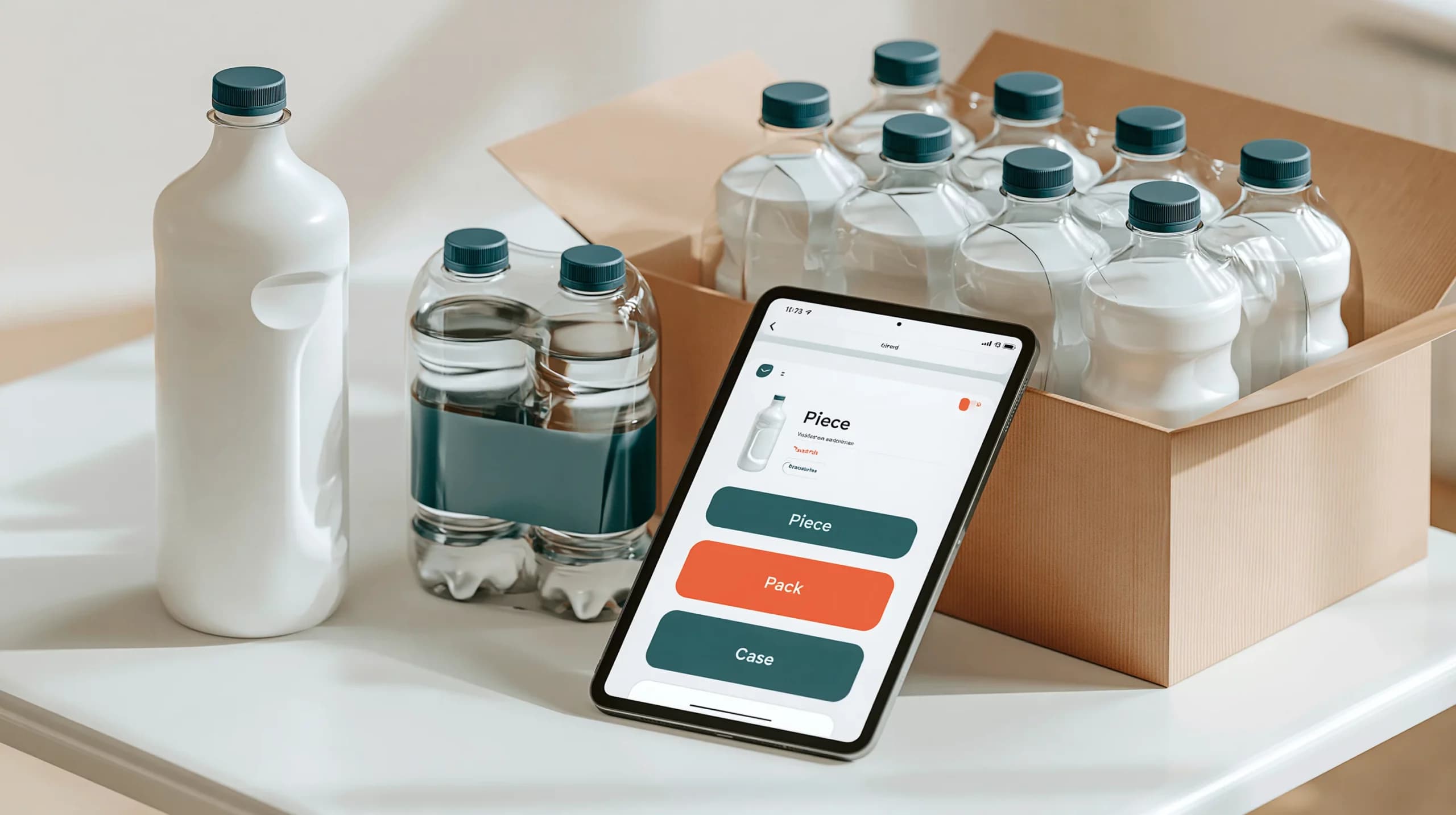
Digital Wholesale Catalogues: Managing Pack Sizes
Why digital catalogues are more than online product lists A buyer opens a wholesale catalogue and finds three versions of […]
Operations · 04 SEPT 2026
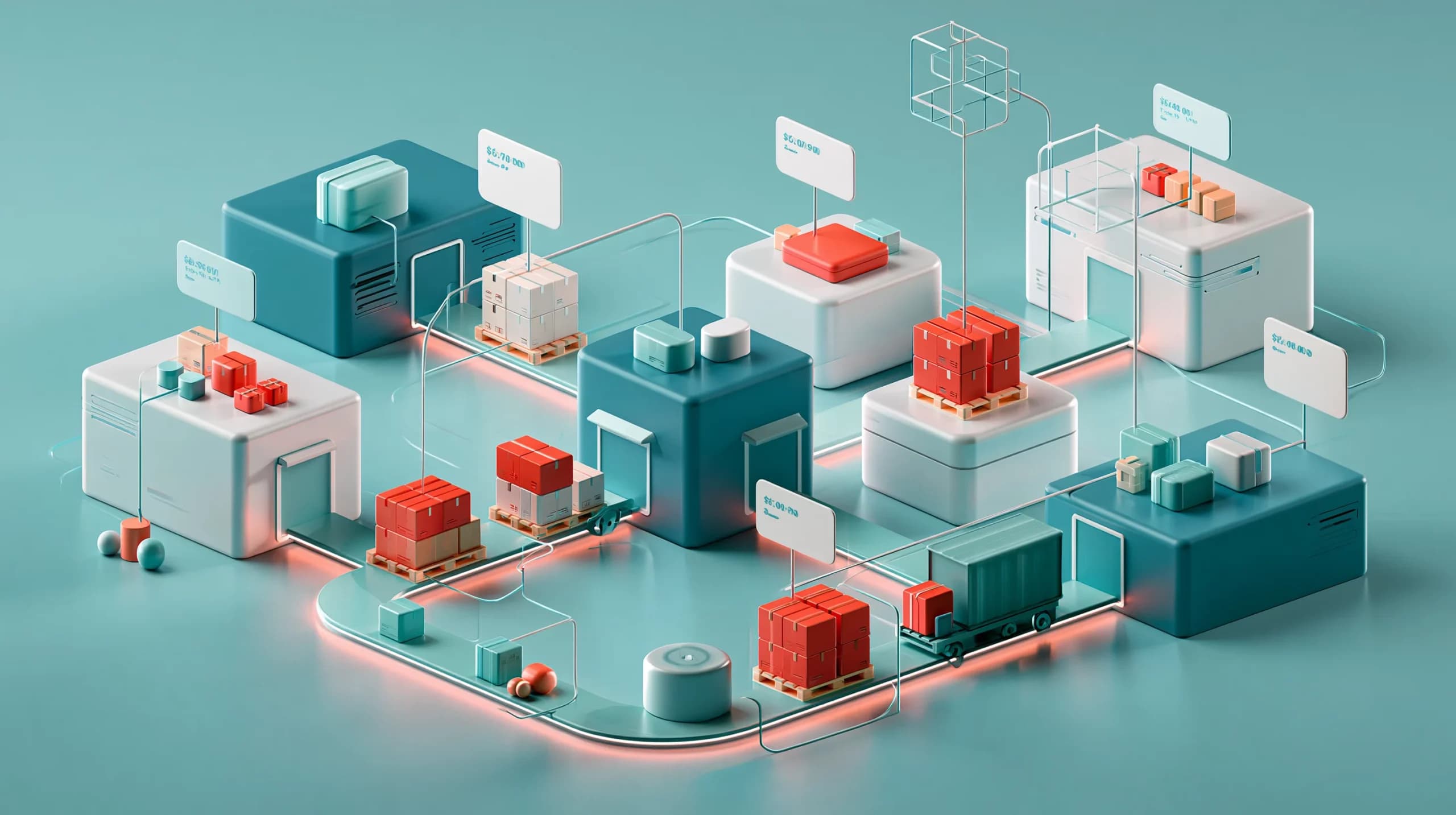
Distributor Ordering Systems: Supporting Branches, Buyers and Account-Specific Pricing
Why distributor ordering is different A distributor may have one customer account with five branches, twenty buyers and several delivery addresses. […]

Operations · 31 AUG 2026
B2B Order Management Systems: Which Statuses, Approvals and Rules Do You Need?
Why B2B order management needs more than an order list At 8.30 on a Monday morning, a wholesaler’s […]
Run your business,
without the complexity
Start free · Try paid plans for 30 days.
