From Purchase Orders to Stock Availability: Closing the Procurement Gap
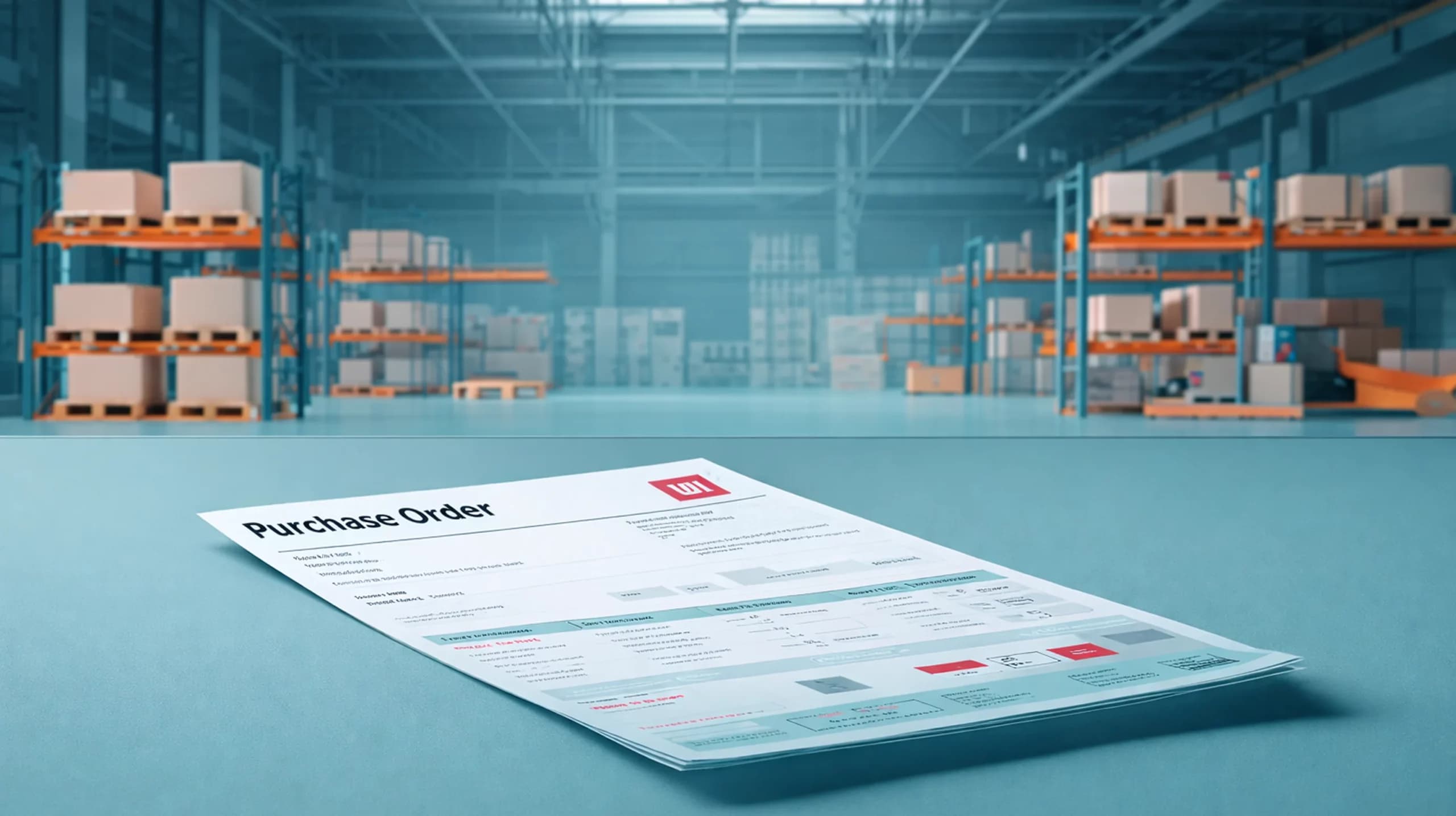

You may have found yourself in this situation.
On a Monday morning, you are sitting with a stack of purchase orders in front of you. Everything should be alright — the orders were sent on time, suppliers were notified, and there were no visible problems on the surface.
However, by mid-week, you are facing the problem of stock shortages in the key lines, delayed shipments from the critical suppliers, and urgent requests from customers who were promised the stock that does not exist.
This is not a rare occurrence — it reflects a serious issue.
When your procurement process is not directly related to your real-time stock availability, the gap becomes visible, and it becomes costly.
Let’s talk about this gap: reasons for its existence, its impact on your business, and steps for you to close it — so that procurement can actually be a fulfilment supporter instead of a hindrance.
How Procurement Is Usually Managed
In the case of many wholesalers and B2B companies, the procurement begins with purchase orders and ends up with waiting.
The conventional workflow layout may be:
- Sales forecasts are made for the demand in the future.
- Procurement teams make purchase orders.
- Suppliers assure deliveries.
- The stock comes and is recorded in the accounting.
It seems simple and clear-cut, but underlying weaknesses are shown in this way:
- Procurement status is generally not visible in real time.
- Purchase orders can be delayed, rejected, or changed without any prior notice.
- The stock is only recorded when the items are physically received and posted.
This recurrent cycle can leave your operations blind very easily, for days or even weeks–creating the gap between the planned procurement and the actual stock availability.
The Disconnect Between Purchasing and Inventory
As a matter of fact, the procurement gap is all about communication and visibility issues.
The procurement and inventory systems are disconnected:
- One place holds the purchase orders,
- The stock levels are checked at another place,
- A third channel is where suppliers communicate updates,
- The warehouse teams are totally blind about the expected situation,
- Sales teams are giving promises based only on stock numbers from the past.
This disjointed flow leads to:
- Availability of excess safety stock
- Reorder decisions based on inaccurate information
- Out-of-stock situations leading to lost sales
And when the inventory data is not updated in real-time, each team is led by a different version of the truth.
And that is why the modern systems aim to make direct procurement connections to operational visibility and execution, and not just finance.
Tracking Purchase Orders in Real Time
The procurement order being tracked as it progresses through the purchasing cycle is the keystone of gap closure.
Real-time monitoring can tell you:
- Whether a supplier has taken note of an order
- The expected delivery dates and lead times
- Partial deliveries and backorders
- Delays or changes in supply schedules
This is a vast improvement over the previous method of “check stock later”. Transparency in real-time procurement provides you with the opportunity to plan warehouse labour, allocate stock, and communicate with customers with confidence.
Runner tools like the Simplisales Dashboard are the ones giving you an operational edge – they integrate procurement data with sales and inventory workflows, besides ensuring that everyone sees the same live picture.
If you do not have this visibility, you will basically just hang around for emails, calls, or spreadsheet updates for when the stock will arrive. That is not a strategic way to do it, but rather a reactive way.
Supplier Visibility and Lead Times
A major part of the procurement process is not solely purchasing orders but also the management of the suppliers.
The performance of the suppliers is not the same. Some of them are quite reliable, while others are less so. Supply chain stresses can trigger longer delivery times even on a random basis.
A procurement workflow that nevermakes use of supplier performance metrics fails to let you find out which suppliers consistently deliver on time, and which ones fK usually delay.
However, when you monitor supplier metrics such as:
- On-time delivery rates
- Quality exceptions
- Lead time variability
…you can actively apply data to your procurement strategy. Instead of being reactive, it becomes proactive.
Current supplier management dashboards are so advanced that they can even point out performance trends through time, telling you which sourcing relationships are typical with stock availability issues and which ones are not.
This is something that enterprise buyers have been using for many years. B2B wholesalers, however, are now catching up with this excellent technology that is being developed.
Linking Procurement to Warehouse Operations
The actual efficiency of procurement can only be achieved when purchase orders are not just words but are actually linked to the stock movement of warehouse execution.
Instead of looking at purchase orders as individual transactions, the best system:
- Matches purchase order receipts to expected inventory
- Allocates incoming stock to open sales orders
- Adjusts stock availability dynamically
- Alerts teams when deliveries are delayed or partial
This is where the cloud-connected platforms really bring value. For example:
- Simplisales Website gives customers visibility into what’s available based on real-time stock data, not delayed accounting postings.
- Simplisales App enables sales reps in the field to see and commit to stock that’s truly available.
- Simplisales Dashboard brings procurement, inventory, and fulfilment into a single operational view.
The simpler outcome is: your procurement decisions are becoming part of your operational reality, not just something that will be updated after a few weeks.
Procurement and Inventory: One Integrated Flow
The difference between the purchase orders and the stock and availability is no more than the difference between the strategy and the execution.
To overcome or bridge that gap refers to:
- Procurement is not just a finance process
- Inventory is not just a warehouse report
- Real-time data (not assumptions) drives decisions
Using an integrated procurement and inventory system:
- Procurement becomes the key to replenishment trigger automatically
- Stock availability and sales channel updates are instantaneous
- Warehouse teams are informed precisely about what is expected and when
- Sales teamsgo back to customers with assurance
A well-coordinated team makes procurement a tactical value generator instead of a reactive cost centre. Thus, creates performance, profitability, and customer satisfaction.
Conclusion: Closing the Procurement Gap is a Competitive Move
Procurement doesn’t finish when a purchase order is sent. It goes till the time stock is available to sell, and well before that if possible
Closing the procurement gaps benefits various aspects, including
- Fulfilling customer needs
- Supplier performance insights
- Predicting inventory accurately
- Operational efficiency/Improvement
The future of B2B wholesale is not in isolated systems but rather in interlinking systems with live updates and real-time operational platforms.
If you want procurement to act as a superpower force for your operations instead of contradicting them, you need the tools that combine purchasing, inventory and fulfilment.
References
SimtechDev – B2B Procurement Platform: What It Is, How It Works, and Why Companies Need It
OrdersInSeconds – Purchase Tracking Software: Complete Guide for Wholesale Distributors in 2026
OSSisto – B2B Procurement Platform Guide for Efficient Sourcing
Related Blogs
Explore more insights for your wholesale business.
Sales · 25 SEPT 2026
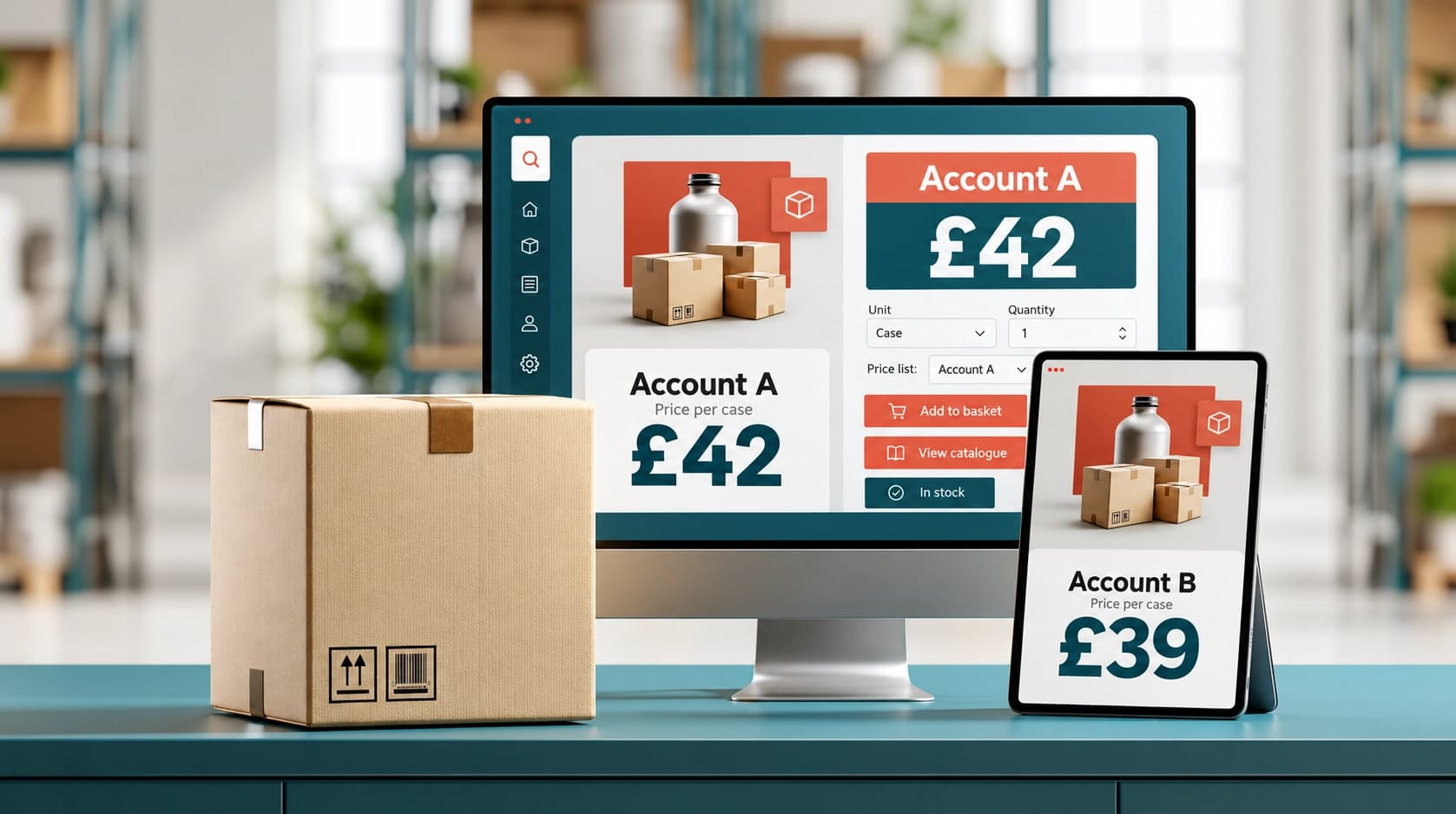
Customer-Specific Pricing in B2B eCommerce
Why one B2B customer does not always mean one price A buyer logs into a wholesale website and […]
Sales · 09 MAR 2026
Order Frequency vs Order Value: Which Metric Matters More in Wholesale?
In wholesale, the debate between order frequency and average order value often reveals a deeper truth: sustainable growth depends on balancing both metrics rather than prioritising one over the other. Larger orders can improve short-term revenue, reduce shipping costs and streamline fulfilment, but they may also lead to longer gaps between purchases and less predictable […]

Sales · 30 JAN 2026
Why Forecast Accuracy Is the New Competitive Advantage in Wholesale
Forecast accuracy has become a true competitive advantage in wholesale because even when nothing “goes wrong”, small mismatches between demand, stock and cash quickly turn into missed sales, excess inventory and internal pressure. Forecasting is no longer a back-office planning task but a front-line capability that directly affects cash flow, delivery reliability, sales confidence and […]
Run your business,
without the complexity
Start free · Try paid plans for 30 days.
