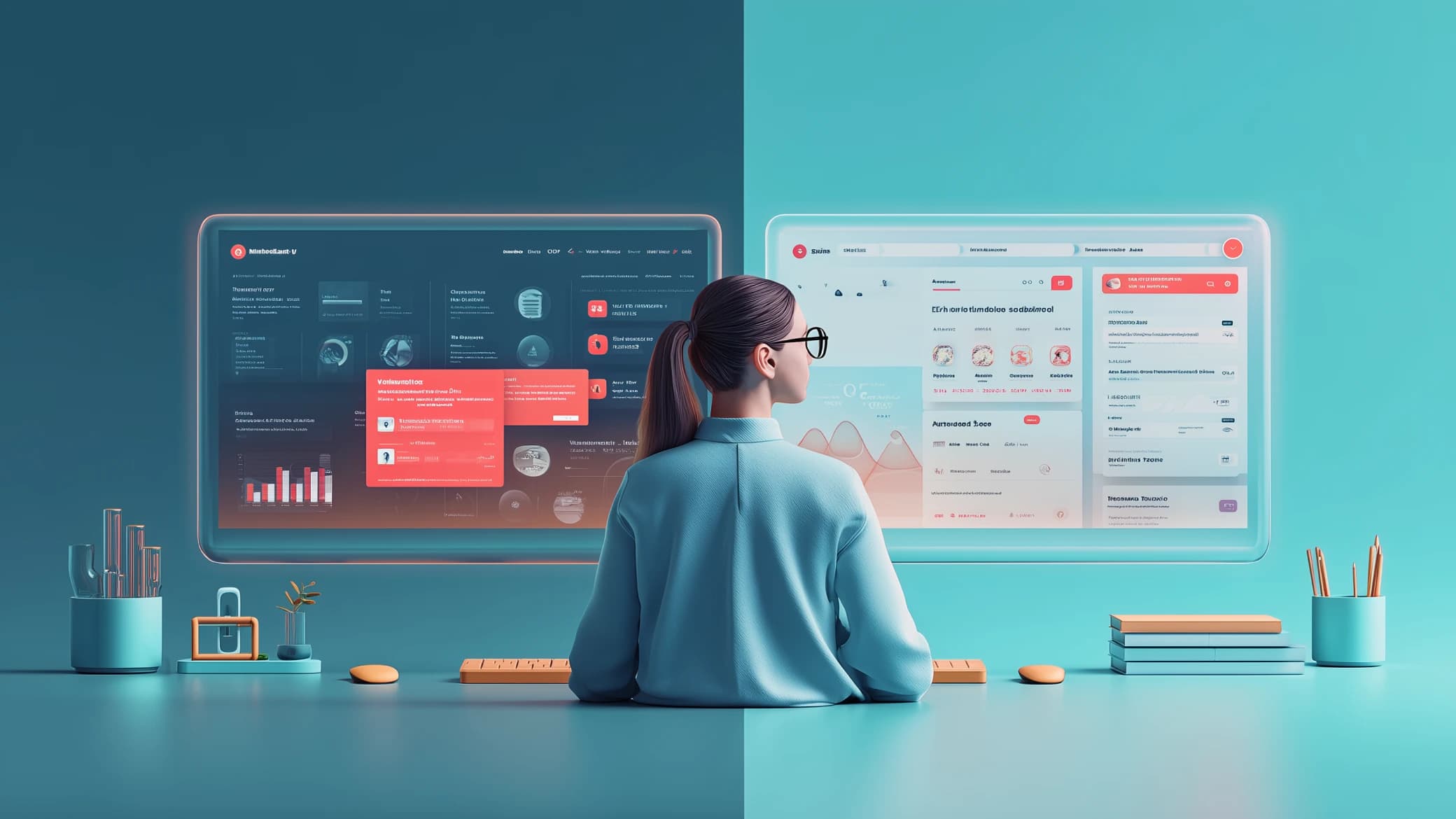

For years, the phrase ‘digital transformation’ has gained popularity in the B2B business and commerce sectors. The tools that digitisation offers, such as automation, AI, chatbots, and seamless integrations, can be fascinating. However, hidden beneath the dashboards and automated workflows are the real people who have real expectations from you. And most of the time, the things they want do not just remain on the surface; they are not just speed and convenience.
In this piece, we will investigate the points of view of B2B customers regarding digital commerce today, reasons for your business possibly lagging behind, and how you should fill the gaps to give the customers the required experiences that will lead to their loyalty and growth.
The Rise of Digital, But Not at the Expense of Human Connection
In the previous ten years, B2B buying has kept pace with the latest trend. Instead of personal meetings, long lunch discussions, and printed catalogues, there are online catalogues, customer portals, and automatic ordering systems. But here comes the twist: 68% of B2B buyers who prefer independent online research prior to contacting a supplier choose human expertise as the main guiding factor when making decisions that are most important.
For instance, in your company, you could have installed self-service portals and automated chatbots to streamline orders. Still, you can ask yourself if your clients are also getting proactive relationship management, strategic advice, and personalised problem-solving? Digital transformation is not supposed to take away relationships. It is rather supposed to improve them. Many B2B companies do it wrong by building transactional websites rather than consultative ones. Check out our blog post The Future of B2B Sales: The Rise of the Hybrid Model to get into the modern world of B2B sales.
Why Do B2B Buyers Still Want People?
Its plain cause is that B2B purchases are intricate, high-value, and part of the operational workflow. They are not simply buying things; they are searching for procedures to help their companies run more effectively.
In the case of two suppliers with similar prices and product varieties, the decision will mostly be made by the buyer who:
- Grasps the configuration of their operations
- Gives individualised recommendations
- Ensures that their order will be accurate and delivered on time
What if a buyer needs replacement parts immediately to keep the production running smoothly? On the other hand, if your website is not showing the correct stock levels and also the checkout flow has issues, they likely will cut off the order forever.
The use of the Simplisales Dashboard enables B2B wholesalers to always have their inventory data synced with their website and app. No more manual updates. No more customer frustration. Just accurate, real-time information that builds trust.
Speed and Accuracy Still Matter
Although connections are a major priority, just as important is the rate and precision of the transaction. Buyers are under pressure, often dealing with several supplier accounts simultaneously, and they are busy. The buyers want:
- Instant inventory stock data
- Precise product data and specifications
- Honest pricing without hidden fees
- Fast, trustworthy delivery
Imagine a buyer needing urgent replacement parts to maintain production. If your website shows outdated stock levels or your checkout flow is clunky, they will abandon the order, potentially forever.
Using the Simplisales Dashboard, B2B wholesalers can maintain up-to-date inventory data synced directly with their ecommerce site and app. No more manual updates. No more customer frustration. Just accurate, real-time information that builds trust.
Personalisation Beyond “Hello, [Name]”
Many companies think they are personalising their emails by starting them with the customer’s name. However, the truth is that B2B buyers have higher expectations than that.
They demand:
- Specific product recommendations for their application of the product
- Insightful content related to their industry difficulties
- Customised packaging, shipment, and invoicing methods
The Simplisales App calculates real-time metrics and generates behavioural patterns on when/what products your customers regularly order and their shopping interaction with your catalogue. By being able to make campaigns, pricing offers, and product bundles that feel pertinent, you can achieve this goal. To achieve your goals, we have prepared a great personalisation blog post. Don’t forget to check it out: Personalisation in B2B eCommerce
Empowering Buyers with Seamless Self-Service
The modern buyers of today are relying on that access not just for placing orders but also for order history. Instead of calling a salesperson over every small inquiry, they expect to:
- Easily see previous orders
- Obtain invoices and shipping documents by downloading
- Do repeat orders with one click
- Monitor live order status
By providing these self-serving alternatives that customers can use in their go-to Simplisales Website, you reduce friction and allow your team to use their time on more strategic things like selling instead of basic administrative tasks.
The New Age of B2B Trust: Digital Security and Reliability
Today, security is the other significant concern that buyers are taking into account too. Data breaches and regulatory infractions can be incredibly damaging to your reputation. Therefore, buyers want to be assured that their credit card numbers, personal information, and business details are all secure.
To ensure this, Simplisales platforms are built on security-oriented systems, utilising encrypted payment gateways, GDPR-compliant data handling, and reliable uptime. This level of safety in B2B has evolved from a customer choice to a primary requirement. To secure your business and protect both you and your customers, check out our blog post about Enhancing B2B Cyber Security
Beyond Orders: Becoming a Strategic Partner
Not surprisingly, buyers have moved on from the suppliers who simply take their orders. Today, they look for strategic partners who help develop, innovate, and run things at their best.
Here are some questions to ponder over:
- Do you provide learning materials for customers to effectively use your products?
- Are you keeping them posted about the industry trends that impact their business?
- Do you make the first move in advising them on process upgrades or providing them with cost-cutting options?
This is when your infrastructure for eCommerce and your customer relationship meet. Your team can maximise the opportunities to create value proactively by merging the insights of the Simplisales Dashboard with your sales plan. That is to say, they can do this either by recommending bulk purchases based on typical order patterns or by warning them in advance concerning incoming supply chain disturbances that could affect their orders.
Conclusion: Beyond Bots, Back to Business Relationships
Experience a seamless B2B e-commerce journey with Simplisales.
The future is bright for wholesale businesses. Make it brighter with Simplisales, a simple and affordable B2B e-commerce solution for wholesalers.
Digital commerce is not simply about being on the internet anymore. For B2B, which is the focus, it is all about the combination of speed, accuracy, personalisation, and human expertise that results in building long-term trust.
Buyers desire smooth processes, but they are also keen to note that someone is there to help them when issues arise. They prefer automation to free up their time, yet they also want constructive suggestions on how to improve their business. It is not a question of either bots or handshakes; it is using them both.
With Simplisales ensuring the running of your e-commerce infrastructure—Website, App, and Dashboard—you can securely fill this gap and, as a result, change your business into a strategic partner that only your customers can trust instead of just being another vendor in their supply chain. To learn more about eCommerce Infrastructure, you can check our blog post What is eCommerce Infrastructure?
Related Blogs
Explore more insights for your wholesale business.
Wholesaling · 28 AUG 2026
B2B Pricing: SaaS Fees, Add-Ons and Total Cost of Ownership
The Monthly Subscription Is Only the Starting Point How Current B2B eCommerce Pricing Models Compare Shopify: Low Entry Cost Does Not Mean You Need Shopify Plus BigCommerce: Watch GMV and Payment Costs Add-Ons Can Change the Comparison Completely Calculate Total Cost of Ownership The Best Platform Depends on What You Already Have Where Simplisales Fits […]
Wholesaling · 27 JUL 2026
How to Become a Tobacco Wholesaler in the UK
This blog post explains that becoming a tobacco wholesaler in the UK requires more than registering a company, as businesses involved in manufacturing, importing, storing, transporting, or selling tobacco must comply with the Tobacco Track and Trace system. Wholesalers need an Economic Operator ID for the business, a Facility ID for each relevant premises, and […]
Wholesaling · 20 JUL 2026
How to Become an Alcohol Wholesaler in the UK
Starting an alcohol wholesale business in the UK involves more than registering a company, as most businesses selling alcohol to other businesses must obtain approval under HMRC’s Alcohol Wholesaler Registration Scheme (AWRS) before trading. The guide explains who needs AWRS approval, how and when to apply, what HMRC’s fit and proper assessment involves, and the […]
Run your business,
without the complexity
Start free · Try paid plans for 30 days.
