Green Wholesale: How Sustainability is Reshaping B2B eCommerce
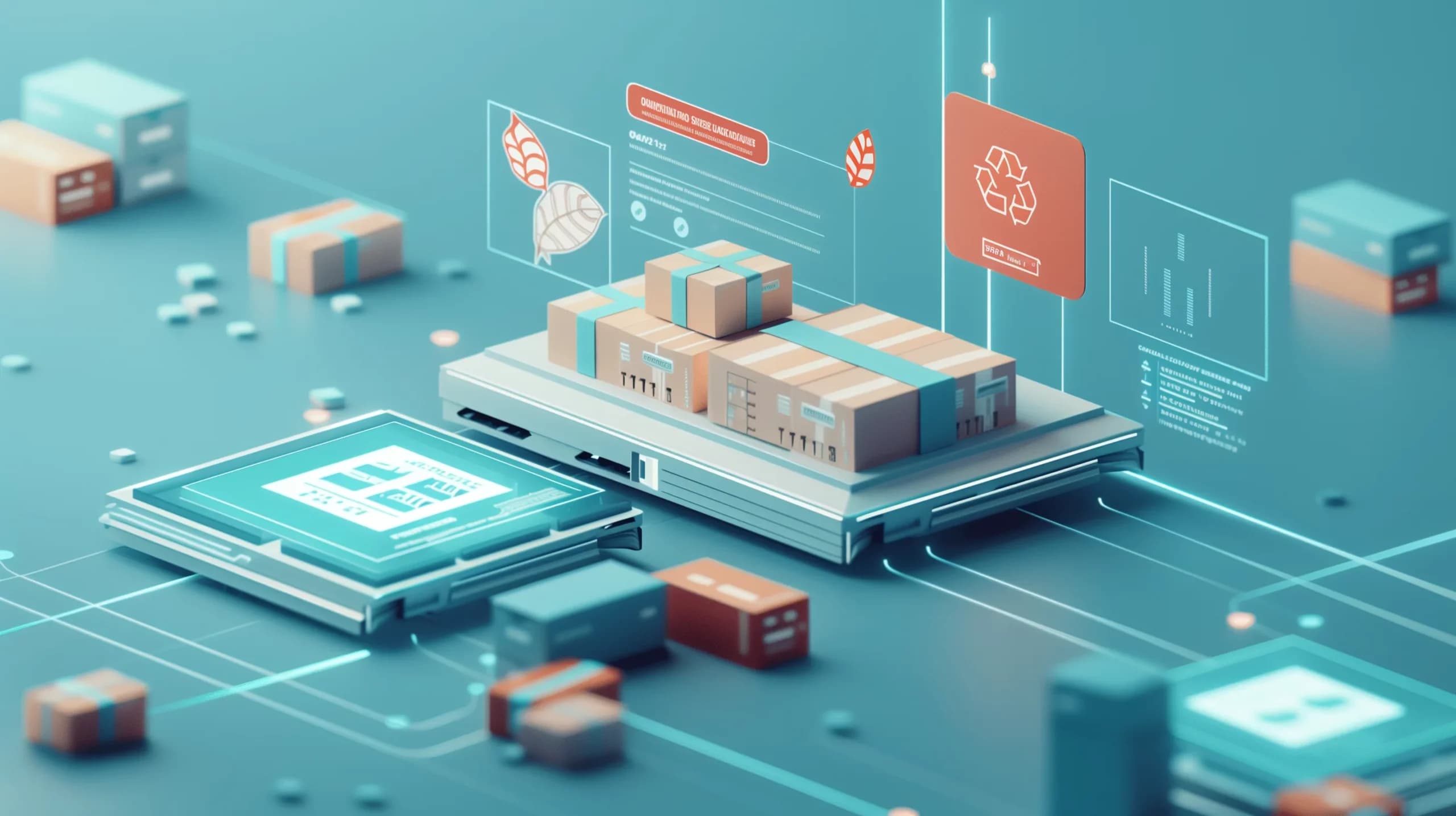

A Morning at the Warehouse
The clock shows 7 in the morning. You are now at the entrance point of your warehouse. It is a typical thing to do as you are watching the first customers of the day push their trolleys inside. Pallets containing plenty of bottled water, a variety of packaged food, cartons of cleaning supplies – all heading out to the local retailers.
Then you catch sight of something. One customer stops at a shelf, looks confused, and inspects the packaging. Another question is whether you sell products from local suppliers. A third one claims that there is too much plastic covering a bulk order.
This is the reality of today. Buyers are not only concerned with the price and availability. They also consider sustainability, i.e., how the products are sourced, packed, and delivered. For wholesalers like you, this is not a mere side issue anymore. It has turned into a critical aspect of how you acquire and retain your customers.
We welcome you to the green wholesale era. Here, sustainability is not just good ethics; it is also good business.
Why Sustainability Matters in B2B eCommerce
You may be thinking: Is sustainability really such a big thing in wholesale? The answer is an enthusiastic yes. The following explains why:
- Customer demand is shifting: Retailers want sustainable products because their end customers are requesting them.
- Regulations are tightening: Governments are associating businesses with green practices, with the imposition of stricter packaging and waste laws.
- Cost pressures: Energy efficiency, optimised logistics, and waste reduction become cost savings over time.
- Reputation and trust: Retailers are showing a growing preference for wholesalers that carry the environmental responsibility.
Thus, sustainability has become more than a mere “nice to have”. It is turning into a competitive edge.
From Static Operations to Green Transformation
The traditional wholesale model was primarily based on fixed processes: bulk packaging, standard transport, and little concern for the products after they left the facility. But the change is coming.
Consider these transitions:
- Packaging: Going from plastic-wrapped products to recyclable or compostable materials.
- Transport: Lowering carbon emissions through route optimisation, EVs, or pooled shipments.
- Product mix: Launching eco-friendly product lines, or teaming up with local producers to cut down on transport.
- Energy use: Warehouses implementing solar energy or LED lights that use less energy.
It may appear complicated, but digital solutions are available to make tracking, managing, and communicating these transformations relatively easy.
The Role of Technology in Sustainable Wholesale
The best part of it is that it is not a must for sustainability to turn into a state of chaos. With technology, your company can be both greener and more efficient/earn more.
As an example, the Simplisales Dashboard allows you to:
- Keep an eye on the fastest-selling products, which will promote a view of waste reduction.
- Keep track of order patterns so as to optimally configure delivery routes that save on fuel.
- Generate reports that illustrate the sales of unsold or expired stock in a reduced manner.
In contrast, the Simplisales Website and the Simplisales App display the listings of your eco-friendly products to customers. You can arrange the online display of green products, thus enabling the buyers to select them with ease.
To put it differently, sustainability is more than just what goes on in your warehouse. It is also the way you communicate with your clients and the way you manage the data behind the scenes.
Real-Life Examples of Green Wholesale
Now, let’s be practical. Here are some examples of wholesalers that are already going green:
- Food wholesalers: Collaborating with local farmers to minimise transport miles and benefit from fresh produce.
- Cleaning supply distributors: Moving to concentrated refill packs rather than single-use bulky containers.
- Cash & carry businesses: Granting lower prices on goods with recyclable or reusable packaging.
- Electronics wholesalers: Implementing returns where retailers can return outdated stock for recycling.
And the outcomes? Lower costs, more loyal customers, and a better regulatory framework.
Buyer Expectations: Green Is the New Standard
In B2B trade, the human aspect is crucial. However, even the most loyal customers are willing to look elsewhere if they feel that you’re not up to date with sustainability trends.
Today, buyers demand:
- Transparency: Proper marking of environmentally safe products.
- Choice: A broad range of sustainable options, not just a token item.
- Communication: Informing the customers of your measures to reduce the extent of the footprint.
- Efficiency: Streamlined ordering systems that enable a person to easily locate and purchase greener options.
For example, you can, with the help of the Simplisales App, set filters or categories to the eco-lines, making it simpler for the buyers to find precisely what they need. That is a way to make sustainability one’s advantage, instead of the burdens one faces.
Balancing Profitability and Responsibility
The bottom line is that going green isn’t always basic. Recyclable packaging may cost more, while electric delivery vans are a big investment. But it is necessary to consider the overall picture:
- Efficient logistics cut fuel and maintenance costs.
- Smart inventory management reduces waste and improves cash flow.
- Eco-friendly products often command better margins.
- Stronger branding attracts new customers who value sustainability.
Through the use of the Simplisales Dashboard, you can keep tabs on all these financial impacts effectively. This way, you can explain to your team as well as your customers that sustainability and profits really do go together.
Steps to Make Your Wholesale Business More Sustainable
Wondering where to begin? Begin small, but keep it consistent. Here’s a schedule:
- Audit your current practices – Find out the problems with waste, energy use, or inefficiencies that you have.
- Digitise your operations – Migrate the Offline Catalogues Online using the Simplisales Website, which will help in cutting down paper usage.
- Promote green products – You can highlight these products by adding a category of “eco” on your Simplisales App.
- Optimise logistics – Use the Simplisales Dashboard to find efficiencies in the delivery process.
- Engage your customers – Talk about the changes made, and request for feedback.
- Scale gradually – Implement the change process little by little, grow confidence and evaluate.
Challenges You Might Face
Of course, any change without problems is a fantasy. Some common issues are:
- Higher upfront costs – are typically, but not always, recouped over time.
- Supplier limitations – some suppliers are willing to go green, but others are not.
- Customer education – some customers need assured answers to the advantages of sustainable alternatives.
What’s the solution? First and foremost, transparency and consistency. Utilise your online platforms to showcase your storytelling and achievements. Ensure that you take even the tiniest of steps so that people believe in you.
The Future of Green Wholesale
In the near future, sustainability will turn from being a competitive advantage into a must-have standard. Wholesalers that do not adjust will be on the verge of extinction, while those who commit will be the ones preferred.
Picture this scenario: a buyer who logs into your Simplisales Website is immediately greeted by the carbon footprint data shown beside each product. Then they go to their Simplisales App and for the first time, they scroll through a range of eco-friendly products that they can relate to their ethos. While this is going on, you are operating safely through the Simplisales Dashboard by optimising your stocks and routes, and this way you are cutting down on waste and emissions.
That is not a futuristic vision; it is simply the next step in B2B wholesale.
Conclusion: Sustainability as a Growth Strategy
The future is bright for the wholesale businesses. Make it brighter with Simplisales, a simple and affordable B2B eCommerce solution for wholesalers
Sustainability is far more than just fulfilling basic requirements. It is about establishing a lasting wholesale business that offers good service to customers, follows the guidelines, and positively impacts the planet.
The digital tools available to you, which include the Simplisales, Dashboard, App, and Website, will help you go green without taking your eye off the growth targets.
Related Blogs
Explore more insights for your wholesale business.
Wholesaling · 28 AUG 2026
B2B Pricing: SaaS Fees, Add-Ons and Total Cost of Ownership
The Monthly Subscription Is Only the Starting Point How Current B2B eCommerce Pricing Models Compare Shopify: Low Entry Cost Does Not Mean You Need Shopify Plus BigCommerce: Watch GMV and Payment Costs Add-Ons Can Change the Comparison Completely Calculate Total Cost of Ownership The Best Platform Depends on What You Already Have Where Simplisales Fits […]
Wholesaling · 27 JUL 2026
How to Become a Tobacco Wholesaler in the UK
This blog post explains that becoming a tobacco wholesaler in the UK requires more than registering a company, as businesses involved in manufacturing, importing, storing, transporting, or selling tobacco must comply with the Tobacco Track and Trace system. Wholesalers need an Economic Operator ID for the business, a Facility ID for each relevant premises, and […]
Wholesaling · 20 JUL 2026
How to Become an Alcohol Wholesaler in the UK
Starting an alcohol wholesale business in the UK involves more than registering a company, as most businesses selling alcohol to other businesses must obtain approval under HMRC’s Alcohol Wholesaler Registration Scheme (AWRS) before trading. The guide explains who needs AWRS approval, how and when to apply, what HMRC’s fit and proper assessment involves, and the […]
Run your business,
without the complexity
Start free · Try paid plans for 30 days.
