Defining Wholesale Distribution: The Backbone of B2B Commerce
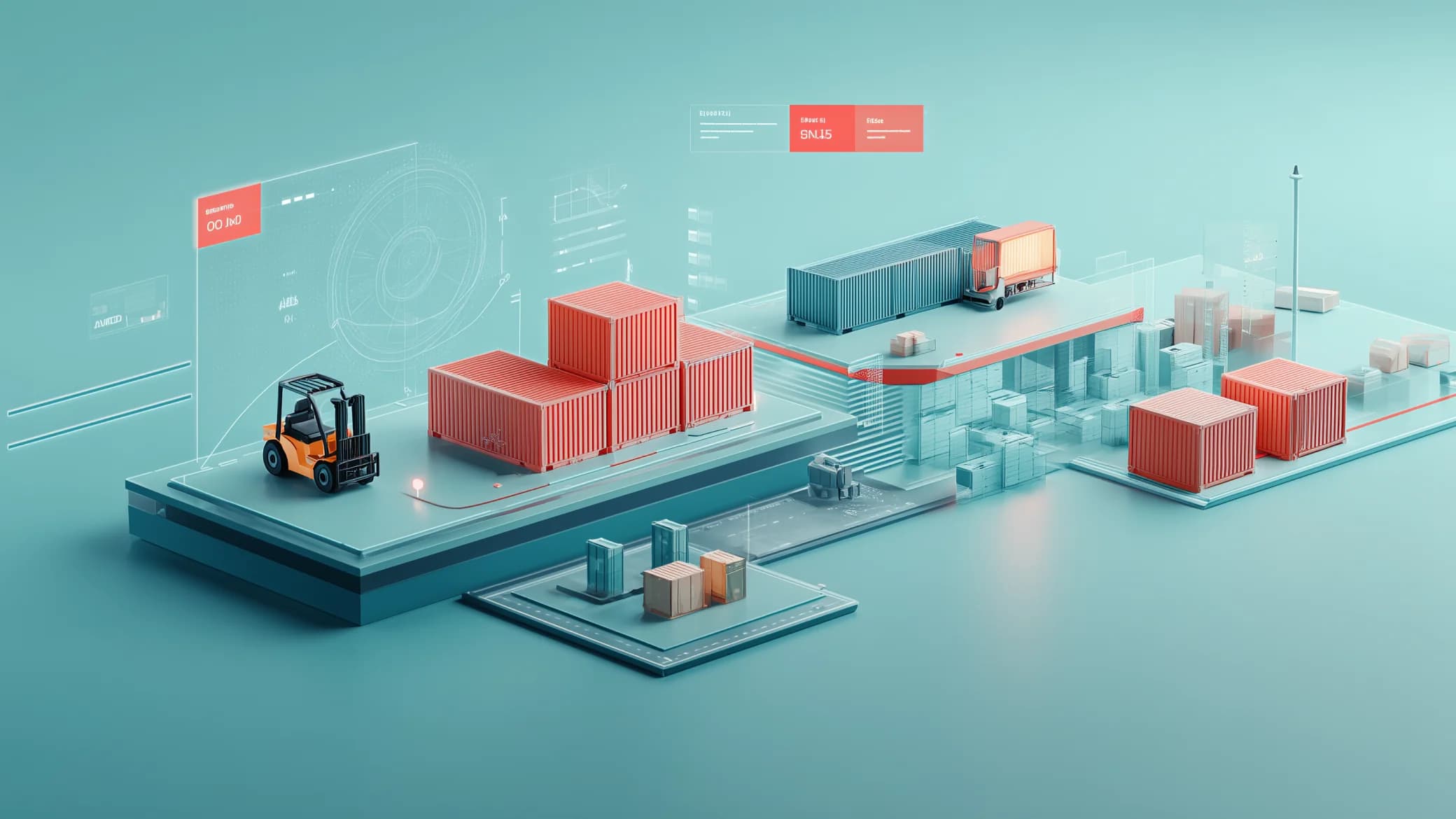

In this guide, we will provide a detailed description: what exactly is wholesale distribution, the place it holds in B2B, and the way you can enhance it with modern tools and technology.
Defining Wholesale Distribution: What Does It Actually Mean?
Wholesale distribution indicates a process in which companies, on the one hand, acquire large quantities of goods from manufacturers and, on the other hand, sell them off, usually in smaller quantities, to retailers, resellers, or other companies. Wholesale distributors are the entities responsible for this task, as they are the link between the producer and the end seller.
To understand the broader benefits and features of B2B wholesale, explore our comprehensive guide on What Is B2B Wholesale? Benefits, Features & Tips
Compared to the direct-to-consumer model, wholesale distribution is strictly a B2B-oriented model, which implies that the predominant transactions include bulk orders, negotiable prices, recurrent contracts, and custom delivery terms.
How Wholesale Distribution Works: A Quick Overview
Recollecting the points thus far, the process, to see it in a clearer light, goes as follows:
- The manufacturer produces goods
- Wholesale distributor purchases in bulk
- Distributor stores, manages, and sells to B2B buyers (retailers, resellers, institutions)
- Retailer resells to end consumers
This chain allows the manufacturers to concentrate on the production while the wholesalers manage logistics, warehouse, and sales coordination. For a complete understanding of wholesale terminology used throughout this process, refer to our guide on 70 Wholesale Terms Everyone Should Know & Wholesale Terminology
Types of Wholesale Distributors
Not all wholesale distributors operate the same way. Let’s look at a few common types:
- General Wholesalers – Sell a wide range of products across various categories
- Speciality Wholesalers – Focus on a specific product or industry (e.g. electronics, fashion, or automotive parts)
- Merchant Wholesalers – Take ownership of the goods and manage inventory
- Drop Shippers – Never handle the physical products; they fulfil orders directly from suppliers to buyers
- Online Wholesale Platforms – Modern marketplaces that connect B2B sellers and buyers digitally
Depending on your niche, your wholesale distribution model may combine several of these.
For a deeper dive into each type and their specific roles, see our comprehensive guide Types of Wholesalers and Their Roles in the B2B Supply Chain
Why Wholesale Distribution is Essential in B2B
Even though it might not be dashing, wholesale distribution is the bedrock of commerce, and particularly in b2b trade scenarios.
Here’s why:
- Efficient scaling – Manufacturers are entering new markets without having to deal with each retailer relationship separately
- Bulk buying power – Distributors can negotiate lower prices and relay the discounts to customers accordingly
- Reduced burden on producers – The distributor takes care of logistics, storage facilities, and order management tasks.
- Better market reach – Distributors frequently possess pre-existing connections and faithful customer networks
To summarise, wholesale distribution promotes the availability, affordability, and accessibility of commodities through complicated supply chains. For deeper insights into managing these complex supply chains effectively, visit our comprehensive guide B2B Supply Chain Management in eCommerce
Key Components of a Successful Wholesale Distribution Model
In today’s B2B field, a stock and a warehouse are not sufficient. The following are the foundations of an effective wholesale distribution system:
1. Inventory Management
Having a real-time overview of stock levels is necessary to prevent overselling or running out of stock. The complexity comes from the management of various warehouses, bulk SKUs, and changing customer demand. For comprehensive insights into modern inventory management techniques, explore our detailed guide on What is Ecommerce Inventory Management?
This is the reason why the Simplisales Dashboard comes in handy—it assists you in tracking inventory through all sales channels, automating alerts, and managing order replenishment without hassle.
2. Order Processing
Without automating, the order processing can be extremely slow, error-prone, and outdated. The leading distributors take advantage of technological capabilities to:
- Accept orders online
- Process payments securely
- Offer volume-based pricing and credit terms
- Track orders end-to-end
With our Simplisales Website, you ensure a full B2B experience with easy-to-use order flows, unique customer pricing, and account-based logins. To learn more about structuring effective payment terms, visit our comprehensive guide Understanding Wholesale Payment Terms: A Comprehensive Guide for B2B Transactions
3. Sales Channel Integration
Modern distributors are not solely dependent on a single sales channel; they are hybrid.
- Traditional sales reps
- Inside sales teams
- Online ordering platforms
- Mobile apps
With the Simplisales App, your customers can place orders directly from their phones, check product availability, and view past orders—giving them full control, anytime, anywhere.
4. Logistics and Fulfilment
Damaged shipments, lack of goods, and poorly handled returns can bury you in lost profits and make you lose customer trust. A wholesale distributor should have:
- Dependable delivery partners
- Well-defined return policies
- Streamlined pick, pack, and ship operations
Fulfilment tracking in a digital form, integrated with Simplisales, promotes transparency in all processes
How Wholesale Distribution is Changing
The outdated warehouse-and-fax-machine model is over and gone. Now, B2B consumers want a fast, digital, and intuitive experience, similar to that of consumers. Our comprehensive guide How to Improve B2B Customer Experience? provides actionable strategies for meeting these evolving expectations
The main factors leading to the transformation of wholesale distribution:
- E-commerce-first mindset – Distributors are investing in B2B ecommerce platforms
- Self-service buyer portals – Let buyers manage orders without needing to call
- Mobile-first ordering – Buyers want to place orders on the go
- Data-driven decisions – Analytics help track demand, pricing trends, and best sellers
If your current tools don’t support this shift, you risk falling behind competitors who do.
Simplisales: Built for Wholesale Distribution
Simplisales is an ideal application for wholesalers to develop their businesses from scratch. Whether you are an experienced distributor or a newcomer, our platform is strictly aimed at you:
- Launch a custom e-commerce website optimised for B2B
- Provide a branded mobile app to streamline reordering
- Manage inventory, orders, and customers with a powerful dashboard
- Scale efficiently without losing the personal touch
A fully functional solution is available right away—no IT guys, no long setup process.
Conclusion: Wholesale Distribution is Evolving—Are You?
Experience a seamless B2B e-commerce journey with Simplisales.
The future is bright for the wholesale businesses. Make it brighter with Simplisales, a simple and affordable B2B e-commerce solution for wholesalers.
The very first step is simply learning how to define wholesale distribution. In current B2B trade conditions, the primacy is for those who can change—those who can digitise, rationally, and speed up the movement of product to the buyer.
With the right tools, you don’t simply supply—you control.
Related Blogs
Explore more insights for your wholesale business.
Wholesaling · 28 AUG 2026
B2B Pricing: SaaS Fees, Add-Ons and Total Cost of Ownership
The Monthly Subscription Is Only the Starting Point How Current B2B eCommerce Pricing Models Compare Shopify: Low Entry Cost Does Not Mean You Need Shopify Plus BigCommerce: Watch GMV and Payment Costs Add-Ons Can Change the Comparison Completely Calculate Total Cost of Ownership The Best Platform Depends on What You Already Have Where Simplisales Fits […]
Wholesaling · 27 JUL 2026
How to Become a Tobacco Wholesaler in the UK
This blog post explains that becoming a tobacco wholesaler in the UK requires more than registering a company, as businesses involved in manufacturing, importing, storing, transporting, or selling tobacco must comply with the Tobacco Track and Trace system. Wholesalers need an Economic Operator ID for the business, a Facility ID for each relevant premises, and […]
Wholesaling · 20 JUL 2026
How to Become an Alcohol Wholesaler in the UK
Starting an alcohol wholesale business in the UK involves more than registering a company, as most businesses selling alcohol to other businesses must obtain approval under HMRC’s Alcohol Wholesaler Registration Scheme (AWRS) before trading. The guide explains who needs AWRS approval, how and when to apply, what HMRC’s fit and proper assessment involves, and the […]
Run your business,
without the complexity
Start free · Try paid plans for 30 days.
