

Why No-Code eCommerce is the Smart Choice
And why you spend months (and it will be a fortune) on website development when you can have your store running in hours? What if by the end of the day, the completed online store was ready and able to sell? Ready-made; no waiting, no hiring expensive developers, no waiting, and you and your business moving forward at full speed!
The reason many businesses are switching:
- Quick & Easy Setup: Traditional eCommerce development is time-consuming. If you want to launch your store quickly, drop in a fast eCommerce builder, which allows you to do it in a day or even less than that.
- Lower Costs: Hiring developers is expensive. Online stores with no-code tools reduce those costs dramatically, and you can invest more money in the products and the marketing.
- Full Control: Want to change the design of your store, add a new product, or adjust pricing? There are no extra costs for paying a developer or making every little tweak; you can do it yourself.
- Scalability: Many no-code eCommerce platforms include functionality that allows for growth with your business without needing to depend on external services.
What if you are running a seasonal store that constantly needs to be changed? Pricing changes, new products come out, and promotional banners are added. The beauty of it is that with no-code, you can handle it all in minutes without a tech team.
How to Build Your No-Code eCommerce Store in 5 Simple Steps
Making your no-code online store is easier than you might expect. And you too will be selling with ease
1. Pick the Right No-Code Platform
Is your target a B2C (everyday consumer) or B2B (wholesaler)? Wix or Shopify might be the best options for you if you’re in B2C. So, if you are selling wholesale, then Simplisales is perfectly designed for bulk orders and hybrid selling.
For more information about the hybrid model, check out our blog post: The Future of B2B Sales: The Rise of the Hybrid Model
2. Customise Your Store’s Look & Feel
No coding? No problem. So you can set it up by using drag and drop eCommerce builder to rearrange your website’s layout, add branding and create product categories in a few clicks. Imagine decorating the physical store and doing it all online—no actual in-store hassle.
3. Add Your Products & Set Up Pricing
You will have to upload product images, write descriptive text, and establish the price for your product. No-code B2B eCommerce platforms, such as Simplisales, make it smooth for the buying experience by the fact that they can provide bulk pricing as well as customer-specific discounts if you are wholesale selling.
To know more about how to build a quality platform, check our blog post Crafting a Modern B2B Ecommerce Platform
4. Integrate Payments & Shipping
The biggest headache for online selling happens to be payments and shipping. The good news, no-code SaaS for your eCommerce will take care of PayPal to Stripe and your customers will keep flowing checkout. Most also provide automated shipping solutions so your logistics keep on running in the background.
5. Automate & Scale
After you have switched your store to live, allow automation to run the heavy lifting for you. AI is helping to take marketing, customer communication, and inventory management into the no-code worlds of marketing and eCommerce. Consider the scenario of sending an automated email about your customer’s abandoned cart without a single line of code!
No-Code vs. Low-Code eCommerce: What’s the Difference?
You might have heard of low-code platforms too, but what’s the difference? Here’s the deal:
- No-code: Non-technical users don’t need any coding skills to build their store with no-code.
- Low-code: If you need some special custom features, low-code provides some coding flexibility, but it simplifies the development as much as possible.
No-code is the fastest way to start an e-commerce store. However, if you want some extra flexibility in the future, a low-code option might be worth considering.
The Future of No-Code eCommerce
Automated creation of an eCommerce store is gaining huge demand. Online selling is getting easier using AI-powered solutions, and no-code mobile eCommerce apps are bringing the store to the customer’s phone. We’ll continue to see even more powerful no-code eCommerce solutions bringing businesses to the point of selling and scaling and taking their minds off the technology.
Visualize a when AI gives product description options, indicates perfect prices for you, and even runs customer service machines for you, no strings attached. That’s where no-code is heading.
Ready to Start Selling Without the Tech Hassle?
So, if you are launching a no-code dropshipping store, a B2B wholesale site, or a digital marketplace, no-code eCommerce platforms provide the tools to win without the headaches of traditional development.
If you’re really going to take your wholesale business digital, check out Simplisales, the no-code B2B eCommerce platform for easily creating an online business.
Conclusion
Start Your E-Commerce Business Today
With no-code eCommerce solutions, starting or improving your online store has never been easier. Get in touch with us to find out more!
No-code eCommerce is revolutionising online selling, making it easier, faster, and more affordable for businesses of all sizes. With quick setup, lower costs, and full control, anyone can launch and manage a store without technical expertise. As AI and automation continue to enhance these platforms, the future of eCommerce is more accessible than ever. Now is the perfect time to embrace no-code solutions and take your business to the next level.
Related Blogs
Explore more insights for your wholesale business.
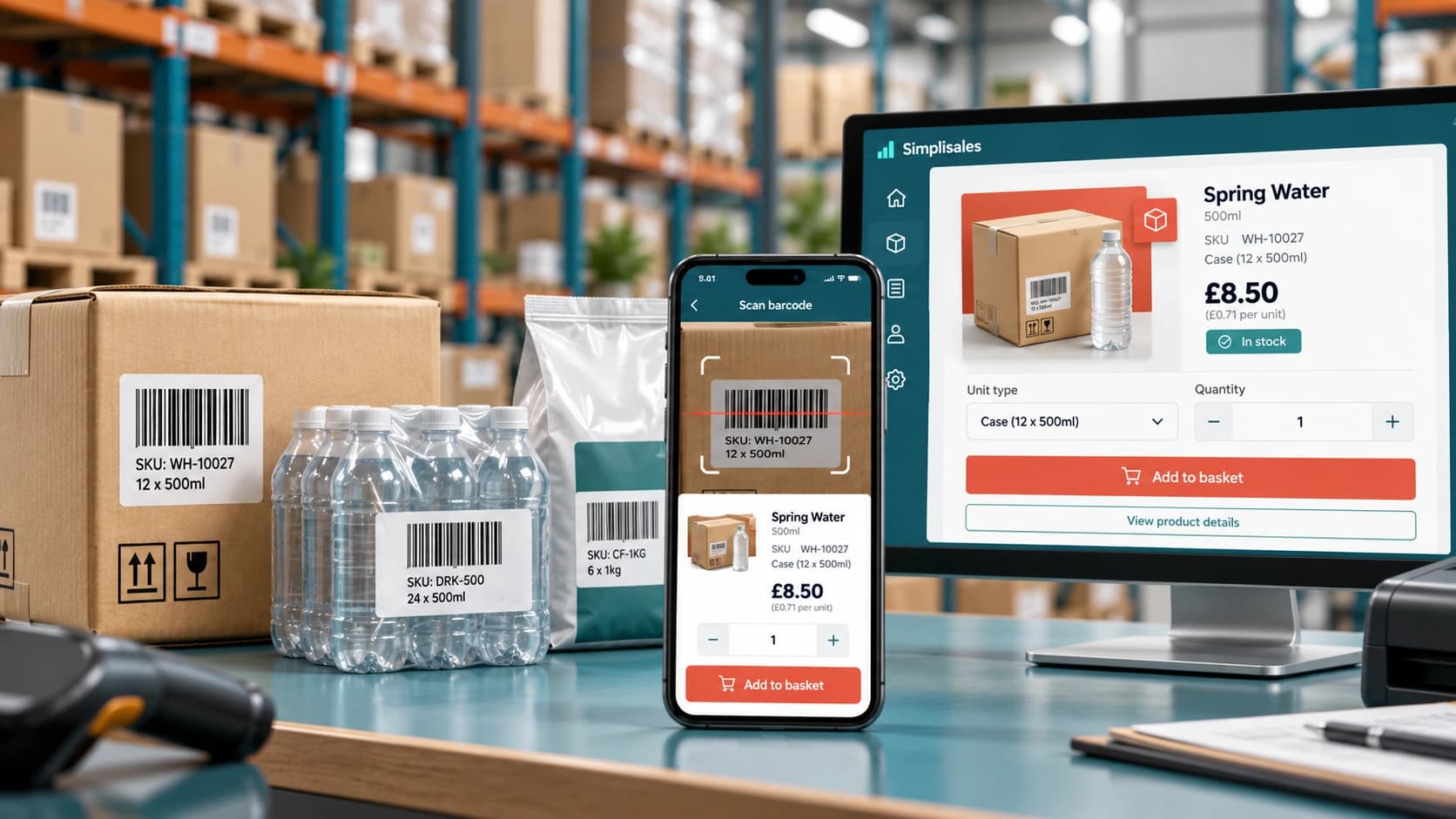
Ecommerce Tips · 16 OCT 2026
Barcode Ordering Apps for Wholesale
A retailer walks around the stockroom with a phone. In fact, when […]
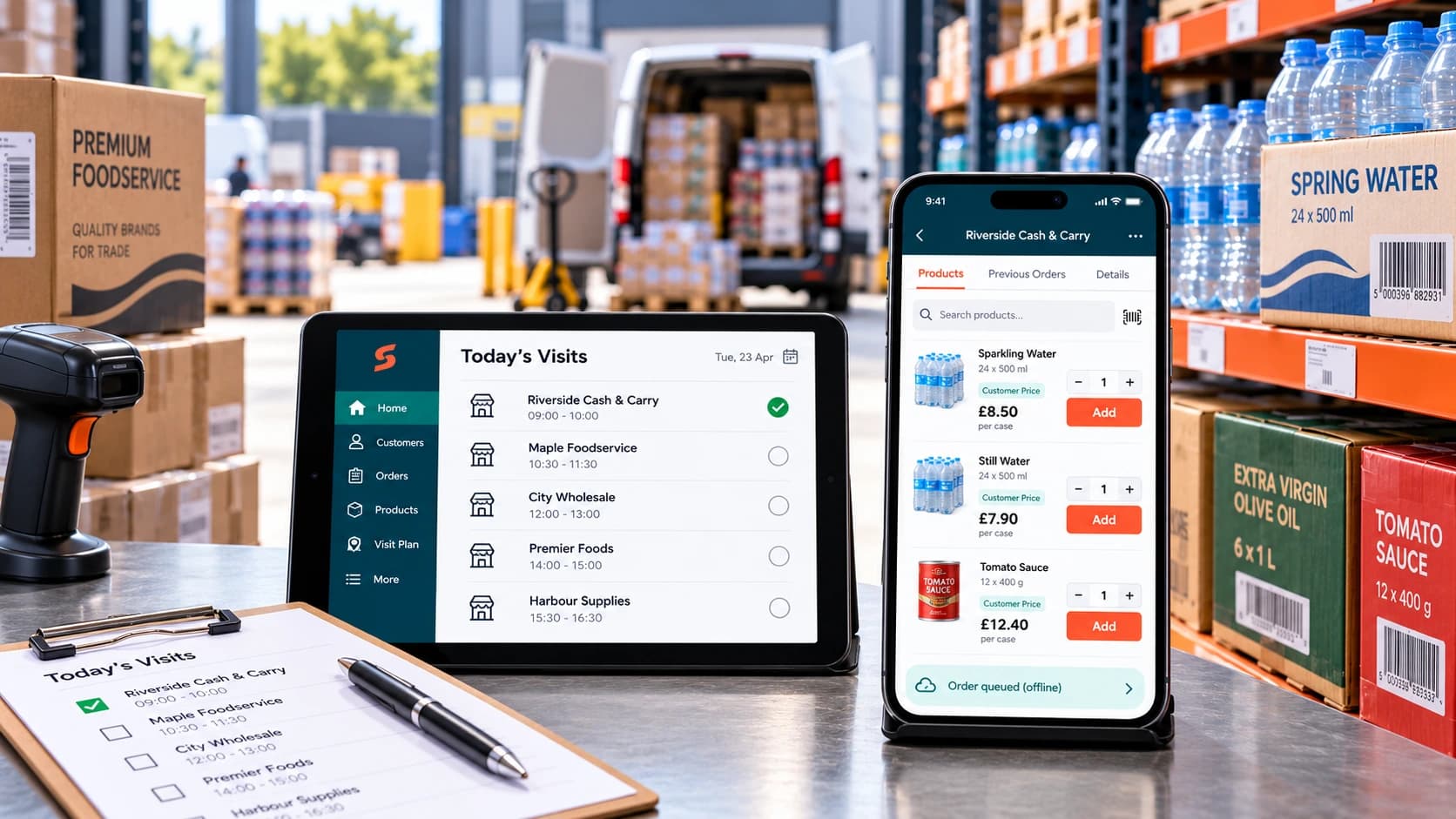
Ecommerce Tips · 12 OCT 2026
How to Roll Out a Sales Rep Ordering App
A […]
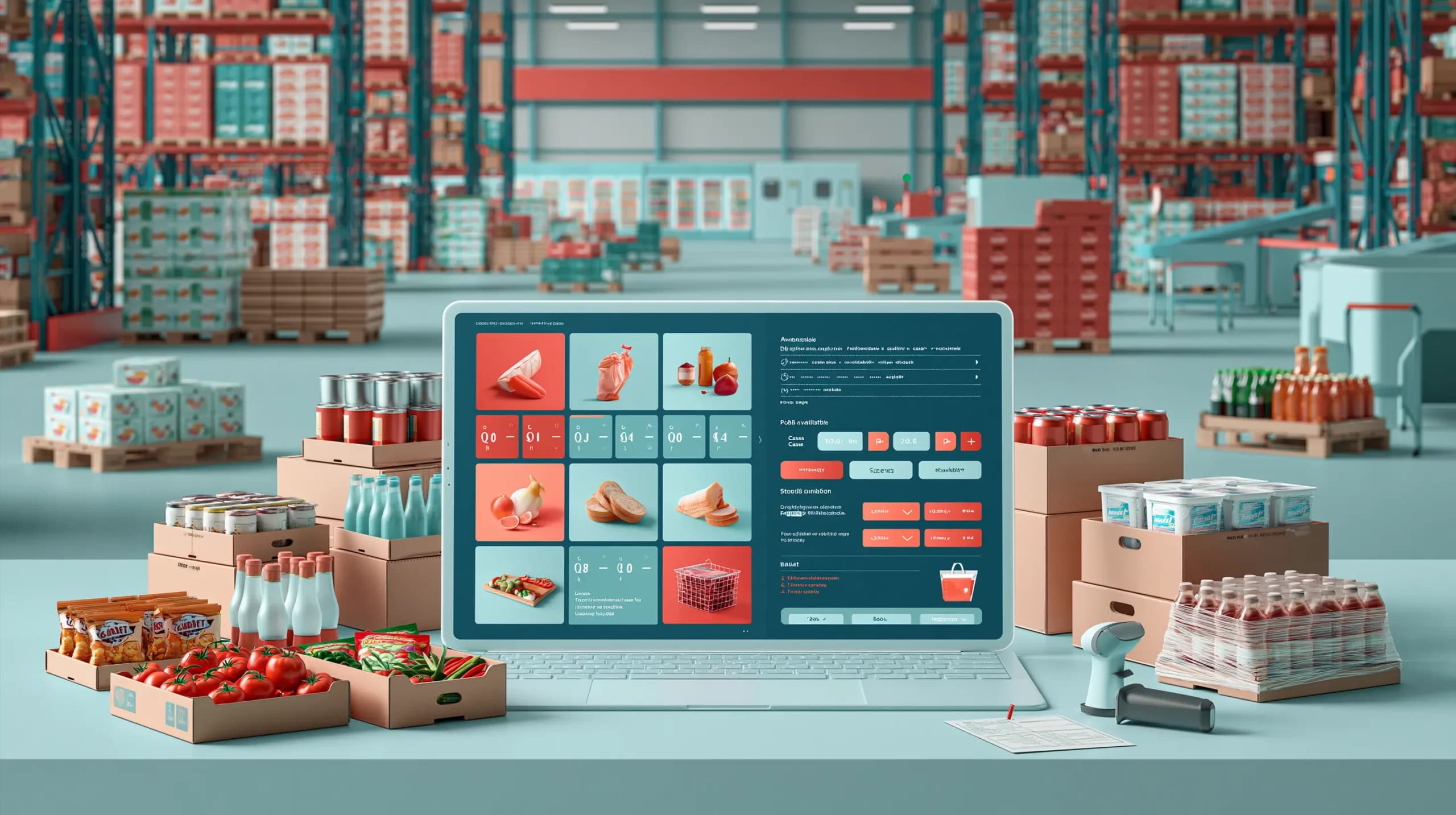
Ecommerce Tips · 10 AUG 2026
Food Wholesale Ordering Software: 12 Features UK Distributors Actually Need
This blog post covers the 12 features UK food distributors should prioritise when choosing food wholesale ordering software, from customer-specific pricing and multiple pack sizes to real-time multi-warehouse stock, batch and expiry tracking, purchasing, warehouse picking and delivery operations. It also highlights the importance of fast repeat ordering, offline sales rep tools, AI-assisted capture of […]
Run your business,
without the complexity
Start free · Try paid plans for 30 days.
