Ethical Wholesale: How Responsible Sourcing Shapes Modern B2B
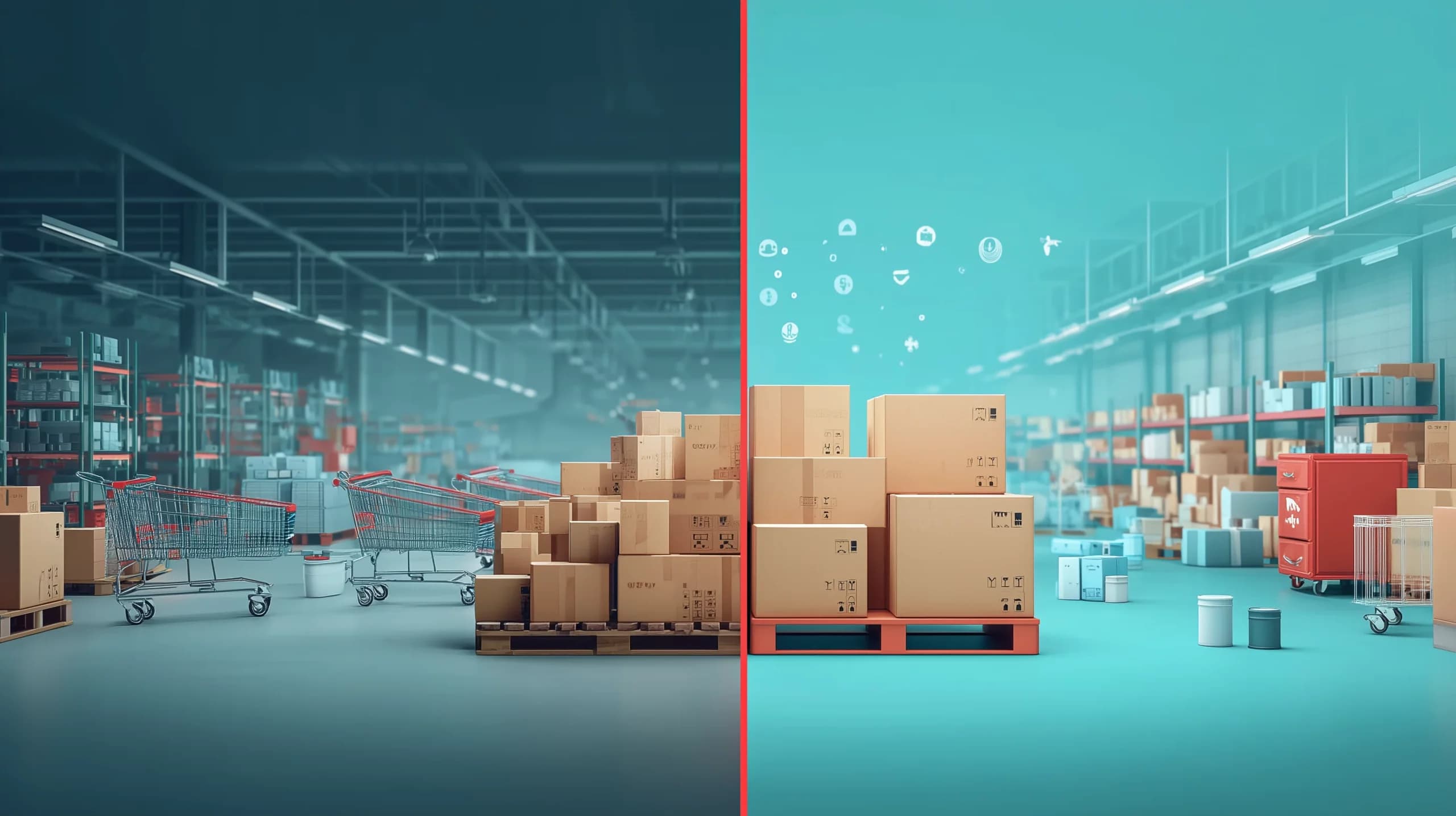

If you are someone who has stuck around in the wholesale industry for a long time, then this is a moment that you have certainly encountered. The scene takes place during your morning stroll through the warehouse while the sun still struggles to show its full glory, when you pass by the pallets, which are packed to the brim with products from somewhere you might not even guess. Just the day before, a customer shot you an email asking, “Are these responsibly sourced?” and for a split second, you pondered the question.
This hesitation has nothing to do with your carelessness.
Rather, you have transcended from merely operating a wholesale business to…
Now you are traversing a landscape where the ideas of ethics, sustainability, and transparency have become part of the purchasing choice.
And let’s face it, the reality is, B2B customers have beyond just price as their only expectation.
They want to feel assured that their product choices are a reflection of their values.
They request the tangible, not the verbal commitments. They require the full supply chain to be visible.
That is the role of ethical wholesale — not as a passing fad but as an essential pillar of modern B2B.
In this writing, we will dig into the specifics of why alternative sourcing is important, why it immediately improves your sales performance, and last but not least, which digital instruments are of assistance — notably, the Simplisales App, Simplisales Website, and Simplisales Dashboard — which help wholesalers gain the trust, opine, and remain on top in a marketplace that increasingly cares for sustainable rules and practices.
Why Ethical Wholesale Matters More Than Ever
Ethical sourcing was surviving as a “nice-to-have” — a value to be added to the company website to seem more trendy or socially responsible. But look, the situation on the B2B front is different now. Your buyers share your expectations with you:
- Whereas, do your products derive from
- How employees are taken care of
- Are the materials environmentally friendly
- If the companies endorse fair labour and environmental regulations
Twist most buyers, although they do not just request such things… they have even commenced expressing their discontent with their stores not including the information.
Governance regulations, international norms, and customer requirements are becoming more severe. The brands you supply, in order to protect their name, expect you to play your part by protecting yours.
Wholesale is not only about being ethical anymore. Ethics now offers a cutting edge in competition.
The Business Case for Responsible Sourcing
We will be straightforward: ethical practices are helpful for the world, but they also benefit the business.
Today’s most successful wholesaler is aware that responsible sourcing has three key things performed brilliantly:
1. It builds long-term trust
Transparency is among the key things that buyers are looking for in suppliers. When you display detailed sourcing data on your Simplisales Website product pages or supplier notes, you differentiate yourself from vendors operating in the dark.
2. It reduces operational risks
Unethical suppliers are a source of conflict. Unexpected situations such as child-labour scandals, environmental breaches, and failed audits erode trust quickly in global supply chains. One simple mistake by a supplier can lead to stock shortage, damaged reputation, and legal issues.
Ethical supervision beats these headaches.
3. It increases buyer loyalty
Sustainably conscious buyers are not likely to switch suppliers. The moment they have confidence in your values, they remain with you, even though other companies may go for a cheaper price.
Ethics build loyalty, and loyalty results in repeat revenues.
How to Build an Ethical Wholesale Supply Chain
Before jumping into the use of tools and digital transformation, we should first highlight the essential elements of responsible sourcing. Ethical trading is not a grand action but a series of deliberate steps.
1. Supplier Transparency
Your knowledge about your suppliers must exceed just the compilation of invoices and delivery schedules.
It entails noting down:
- Factory locations
- Compliance certifications
- Labour practices
- Material origins
- Environmental impact
Utilising the Simplisales Dashboard, you can keep supplier data, attach files, and manage all of your sourcing documents in a clean, accessible way.
2. Traceability Across the Product Journey
The Millennial buyers wish to see a product from the resource stage to the delivery stage.
Common technical processes of digital tracking and SKU-level reporting lower the barrier to obtaining both. Information on the products can be posted by you on the Simplisales Website so that people can check it out themselves without getting into technical jargon.
3. Clean and Responsible Materials
Ethical sourcing may imply that you will be required to switch to:
- Recycled materials
- Sustainably harvested resources
- Certified organic ingredients
- Low-carbon alternatives
Besides gaining a positive public image, the above may help the environment.
4. Ethical Labour Standards
Buyers these days are more interested in solid evidence that no labour exploitation is hidden in a normal product.
It covers:
- Fair wages
- Safe working conditions
- No forced or child labour
- Legal employment practices
The existence of these documents in your system — plus the visibility when needed — creates trust in no time.
5. Regular Audits and Supplier Checks
Being ethical in your sourcing is not a decision you make once and simply forget about. It necessitates regular scrutiny.
With the Simplisales Dashboard, you have the option to log audits, timelines, and compliance updates in a central location to keep track of supplier performance over time.
Ethics as a B2B Growth Driver
Ethical wholesale is a matter of both reputation and strategy. The wholesalers who adopt responsible sourcing today will be the ones setting the course for the industry in the coming decade.
Here’s why:
- The buyers are younger and more sustainability-minded.
- Regulations are rising globally.
- Digital transformation is a player of transparency.
- Sustainable suppliers often demonstrate more reliability/stability.
- Green B2B purchasing budgets are rising every year
Ethics were once a burden.
Now, they are a mechanism for growth
The Future of Ethical Wholesale
Seeing the situation of the world today, it is basically no longer debatable whether responsible sourcing is going to be optional or not. The future norm will not go too far from that of the website or online ordering.
The AI will make it possible to. Verify the sources of supply.
The blockchain can provide control over the entire process.
The buyers will require real-time updates for sourcing.
The ethical initiatives of the wholesalers will bring them ahead, and the rest of the market will follow.
The complete toolkit for competitive, transparent, and trusted business includes Simplisales App, Simplisales Website, and Simplisales Dashboard.
Conclusion: It’s Time to Take Ethical Wholesale Seriously
The future is bright for the wholesale businesses. Make it brighter with Simplisales, a simple and affordable B2B eCommerce solution for wholesalers
You don’t need to change your entire supply chain system overnight. But you have to begin, and you have to.
The buyers are observing. The government regulations are tightening. The funds for sustainable development are increasing. Now, ethical sourcing doesn’t just belong to premium brands – it is a necessity throughout the wholesale industry.
If your wish is to become reputable, efficient, and lasting on the market, you should engage in ethical trading.
Related Blogs
Explore more insights for your wholesale business.
Ecommerce Tips · 16 OCT 2026
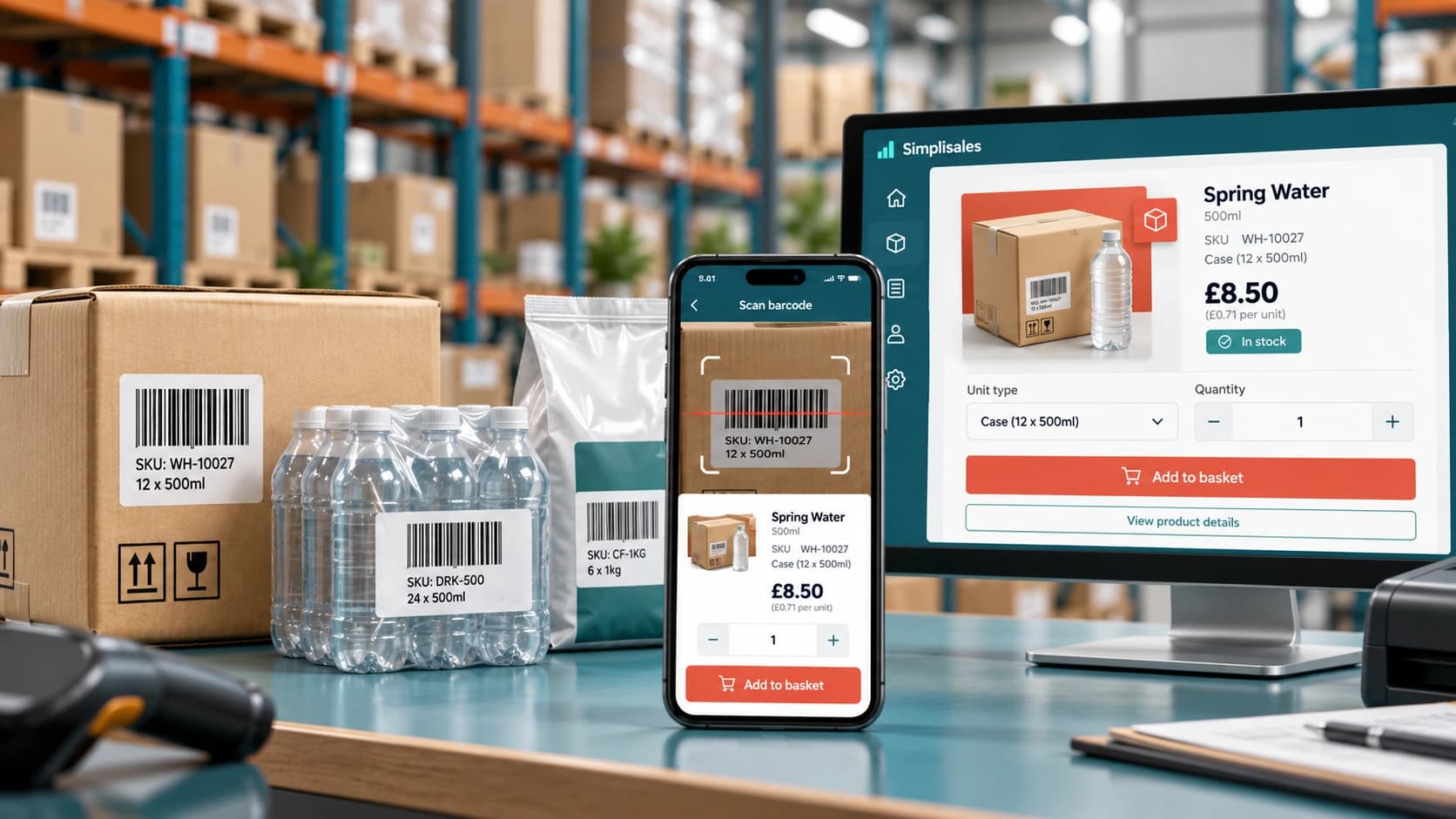
Barcode Ordering Apps for Wholesale
A retailer walks around the stockroom with a phone. In fact, when […]
Ecommerce Tips · 12 OCT 2026
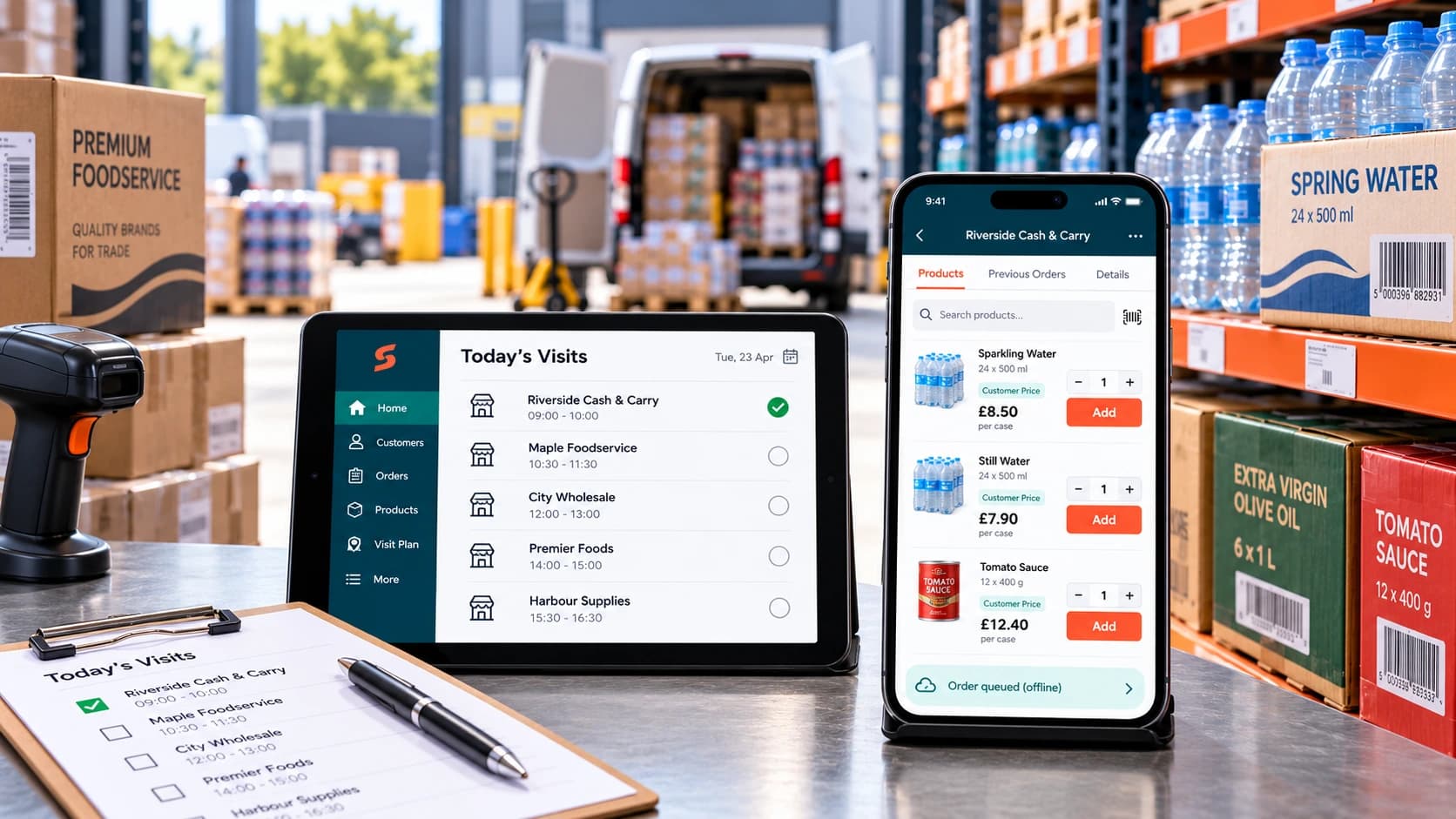
How to Roll Out a Sales Rep Ordering App
A […]
Ecommerce Tips · 10 AUG 2026
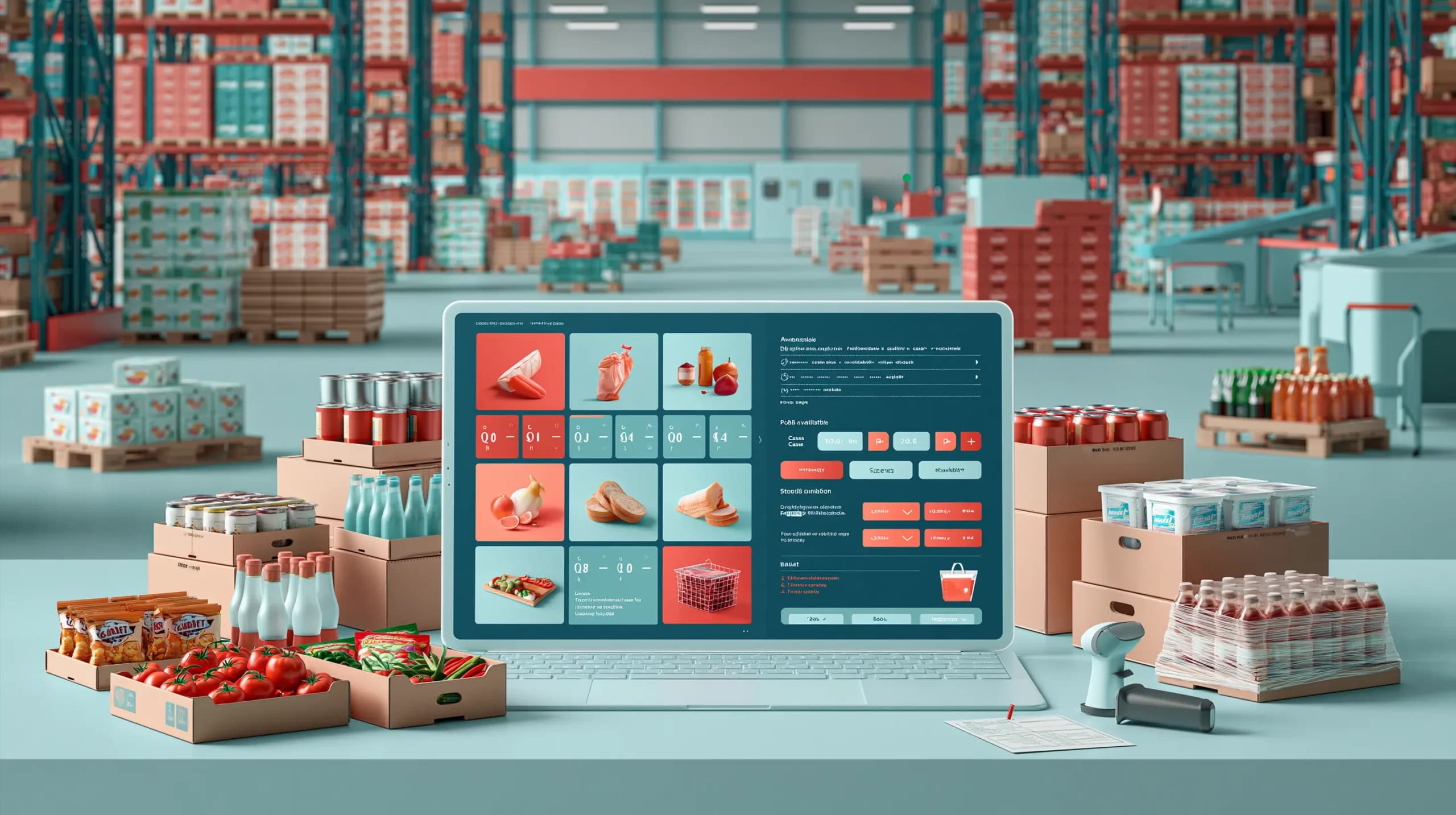
Food Wholesale Ordering Software: 12 Features UK Distributors Actually Need
This blog post covers the 12 features UK food distributors should prioritise when choosing food wholesale ordering software, from customer-specific pricing and multiple pack sizes to real-time multi-warehouse stock, batch and expiry tracking, purchasing, warehouse picking and delivery operations. It also highlights the importance of fast repeat ordering, offline sales rep tools, AI-assisted capture of […]
Run your business,
without the complexity
Start free · Try paid plans for 30 days.
