The Complete Guide to Multi-Warehouse Management for B2B Businesses

Introduction to Multi-Warehouse Management
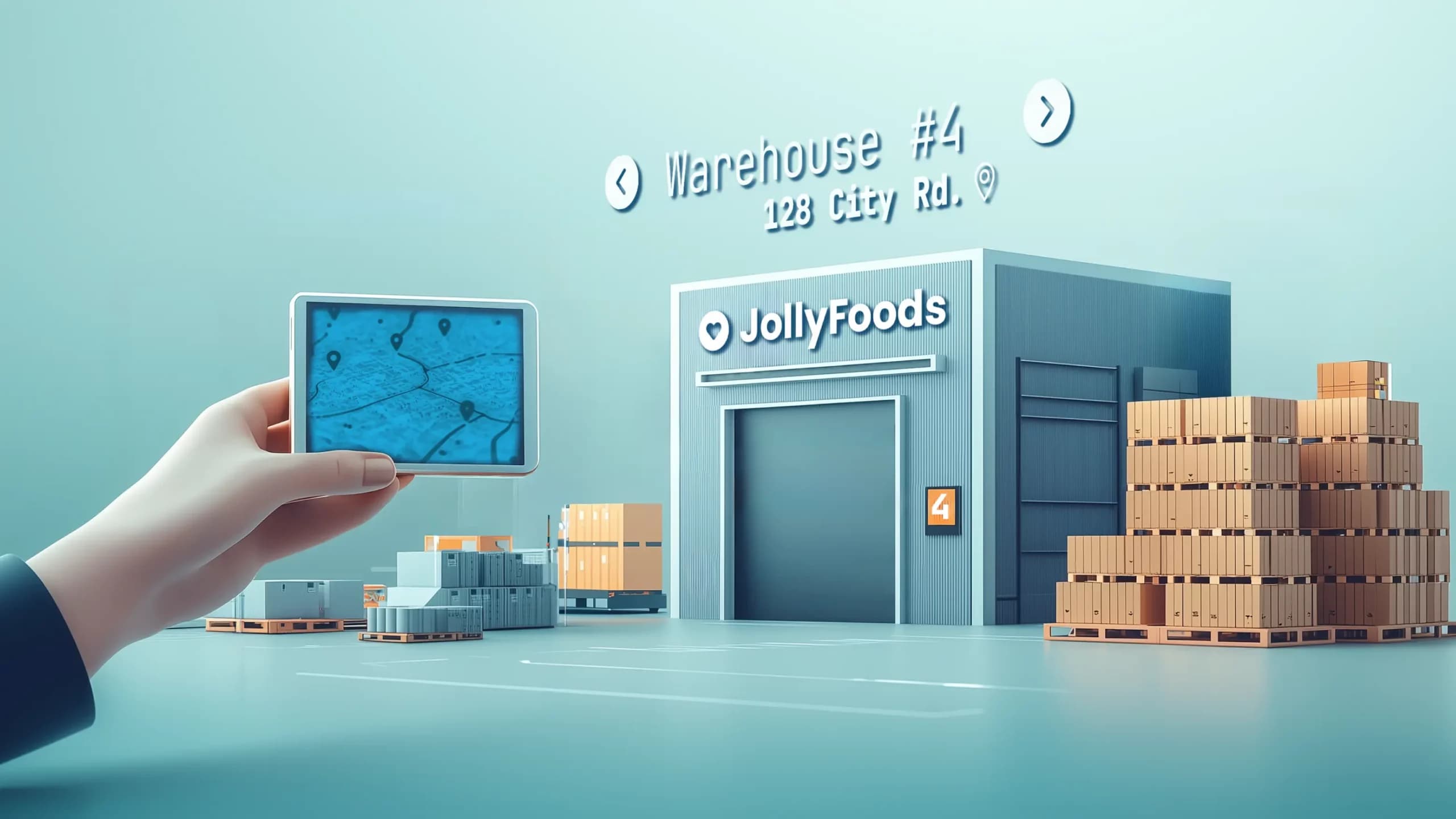
Multi-warehouse logistics has been particularly important in various business fields such as eCommerce and wholesaling dealings due to various customer bases. Through strong multi-warehouse management approaches, firms can fully satisfy their consumers’ requirements with minimal extra expenses of operation.
The Importance of Managing Multiple Warehouses in B2B
In B2B operations, effective multi-warehouse management is not just an option but a necessity. Here’s why:
- Customer Expectations
As the B2B buyers of today anticipate faster deliveries and efficient services, these mean strategically placed warehouses most of the time.
- Stock Availability
One of the functions that cross sites is the management of inventory, which acts as a guarantee that products are available in the right places and at the right time.
- Cost Optimisation
Effective organisation of multi-warehouse reduces transportation and warehousing expenses that consequently enhance the profitability of the overall operation.
- Business Growth
Regarding the spatial distribution of the storage facilities, increased business operations require multiple-location policies to facilitate market expansion.
That is why for wholesalers of any consumer goods, the availability of the tool for effective multi-warehouse management depends directly on customer satisfaction and company competitiveness.
Key Benefits of Multi-Warehouse Management
Multi-warehouse management provides several advantages for B2B businesses, including:
- Improved Order Fulfillment
Distribution centres which are sited optimally provide faster delivery and minimise lead time.
- Reduced Transportation Costs
Reducing logistics costs and the distance to deliver products is achieved when operations are closer to the customers.
- Inventory Optimisation
Monitoring existing stock levels across the various stores enhances the elimination of the common problem of overstocking and stock out.
- Enhanced Scalability
This perspective of multi-warehouse systems allows businesses to grow by ensuring sufficient order fulfilment.
- Risk Diversification
The spread of inventory minimises risks or shutdowns, such as natural disasters or supply chain interruptions.
Using the above-mentioned advantages, the wholesalers can improve their operations with the aim of achieving a competitive advantage in the market.
Common Challenges in Multi-Warehouse Operations
Despite its benefits, managing multiple warehouses comes with its own set of challenges. These include:
- Inventory Visibility
Warehouse management is itself a challenging process when there are dozens of locations to monitor in terms of stock.
- Coordination Issues
Both parties within the warehouse as well as the central management, must be on the same page, so to speak.
- Increased Complexity
Multi-location operations imply extensive travelling, hence the need for elaborate arrangements and scheduling.
- High Operational Costs
However, most of the time costs such as stock holding, transportation, and human resources skyrocket when optimisation is not implemented.
- Stock Imbalances
In simple terms, the lack of appropriate quantities in one area may be stocked to death while another area is understocked.
Recognising these issues is the best way to begin solving them in multi-warehouse management systems.
Strategies for Effective Multi-Warehouse Management
To successfully manage multiple warehouses, wholesalers should consider the following strategies:
- Centralised Inventory Management
A centralised system will be used to monitor inventory levels across all locations in real-time.
- Demand Forecasting
Forecasting of customer requirements to determine the placements of stocks in various warehouses efficiently.
- Warehouse Segmentation
It is possible to categorise warehouses according to the region, products or customers, which will make the process more efficient.
- Optimised Replenishment
Automate approaches are applied to replenish products in order to maintain optimum stock.
- Collaboration with Logistics Partners
Work closely with third-party logistics providers for smooth transportation and delivery operations.
These approaches are beneficial in optimising many aspects relating to multiple warehouse supply chain management.
Technology in Multi-Warehouse Management
Technology plays a vital role in overcoming the complexities of multi-warehouse operations. Key solutions include:
- Warehouse Management Systems (WMS)
An effective WMS gives the ability to track inventory and orders in real-time and even automate work processes.
- Multi-Warehouse Inventory Systems
These systems reprocess stock status at a given location in relation to other locations in order to provide good reporting.
- Integration with eCommerce Platforms
Integration between the applications means that the time taken for order fulfilment and processing is reduced, and customers are satisfied.
- IoT and Automation
Most of the work in a warehouse is manual, including picking and packing, but smart technology integrated with internet-capable devices enhances the entire process.
These technologies can then help the wholesalers to increase their control and efficiency in the operation of their multiple warehouses.
Best Practices for Optimising Multi-Warehouse Systems
To maximise the benefits of multi-warehouse management, businesses should follow these best practices:
- Standardise Processes
Standardise the supported procedures across all the warehouses, so that there are no overlapping or confusion incidences.
- Monitor Key Metrics
Using acceptable activity measures as control, such as the rate of stocked-up inventory, the accuracy of the orders placed and the time it takes to deliver the goods.
- Conduct Regular Audits
These need to be done every so often so that one can spot some of the gaps within one’s operations and, most importantly, ensure that the operations are in line with the set and expected standards.
- Leverage Data Analytics
Maximise your inventory placement and utilisation, improve demand planning and manage your business better.
- Train Warehouse Staff
Training is ongoing because it is crucial to see to it that staff members are reformed over again to handle the Mult-Warehouses business.
Including the following best practices would ensure that the wholesalers erect a sound and sustainable multi-warehouse solution.
Future Trends in Multi-Warehouse Logistics
The future of multi-warehouse management is shaped by technological advancements and changing customer expectations. Key trends to watch include:
- AI-Powered Optimisation
AI is going to enable optimised inventory management and demand forecasting, all thanks to Advadledge.
- Sustainability Initiatives
Organisations shall embark on sustainable business activities such as managing energy-efficient supply centres and efficient delivery networks.
- Blockchain for Transparency
Blockchain is an innovative technology that will ensure that more transparency is observed in the supply chains and there will be increased rapport between the parties.
- Micro-Warehousing
To collect and deliver the products quickly in the urban areas, there will be multiple small warehouses at appropriate locations.
Experience a seamless B2B e-commerce journey with Simplisales.
The future is bright for the wholesale businesses. Make it brighter with Simplisales, a simple and affordable B2B e-commerce solution for wholesalers.
Therefore, by predicting these trends, wholesalers are well-positioned to develop long-term solutions for their multi-storeys that can meet these market demands.
The proper functioning of these multiple warehouses becomes a necessity for wholesalers who plan to improve their supply chain and deliver value-added services to their clients. In the light of the current B2B context, business organisations can reap the benefits of the right strategies, managing technological enablers and following the best practices.
Related Blogs
Explore more insights for your wholesale business.
Logistics · 21 SEPT 2026
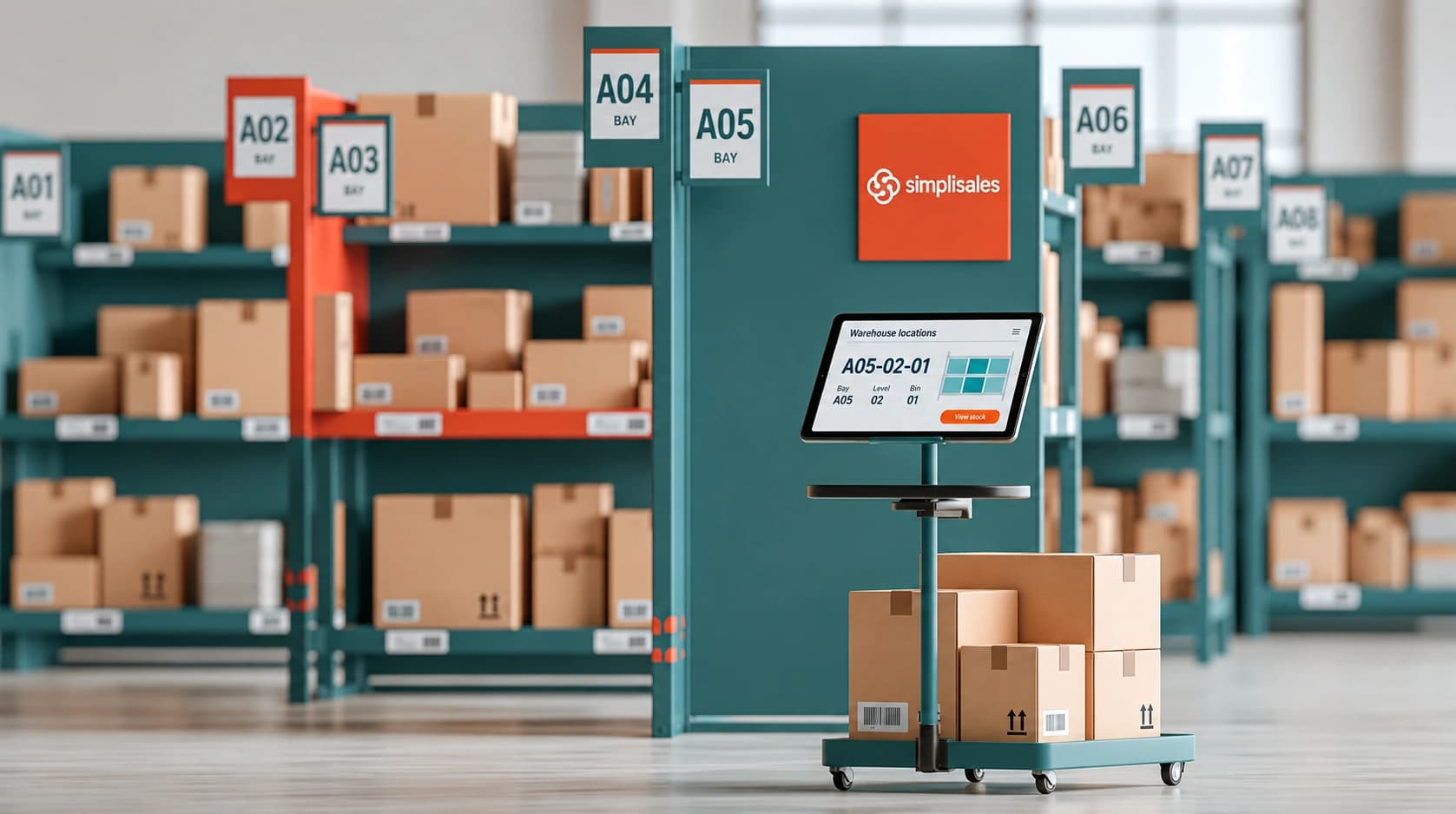
Warehouse Location Codes for Wholesalers
Why warehouse location codes matter A warehouse operative receives a picking list for twelve products. The stock is […]
Logistics · 11 SEPT 2026
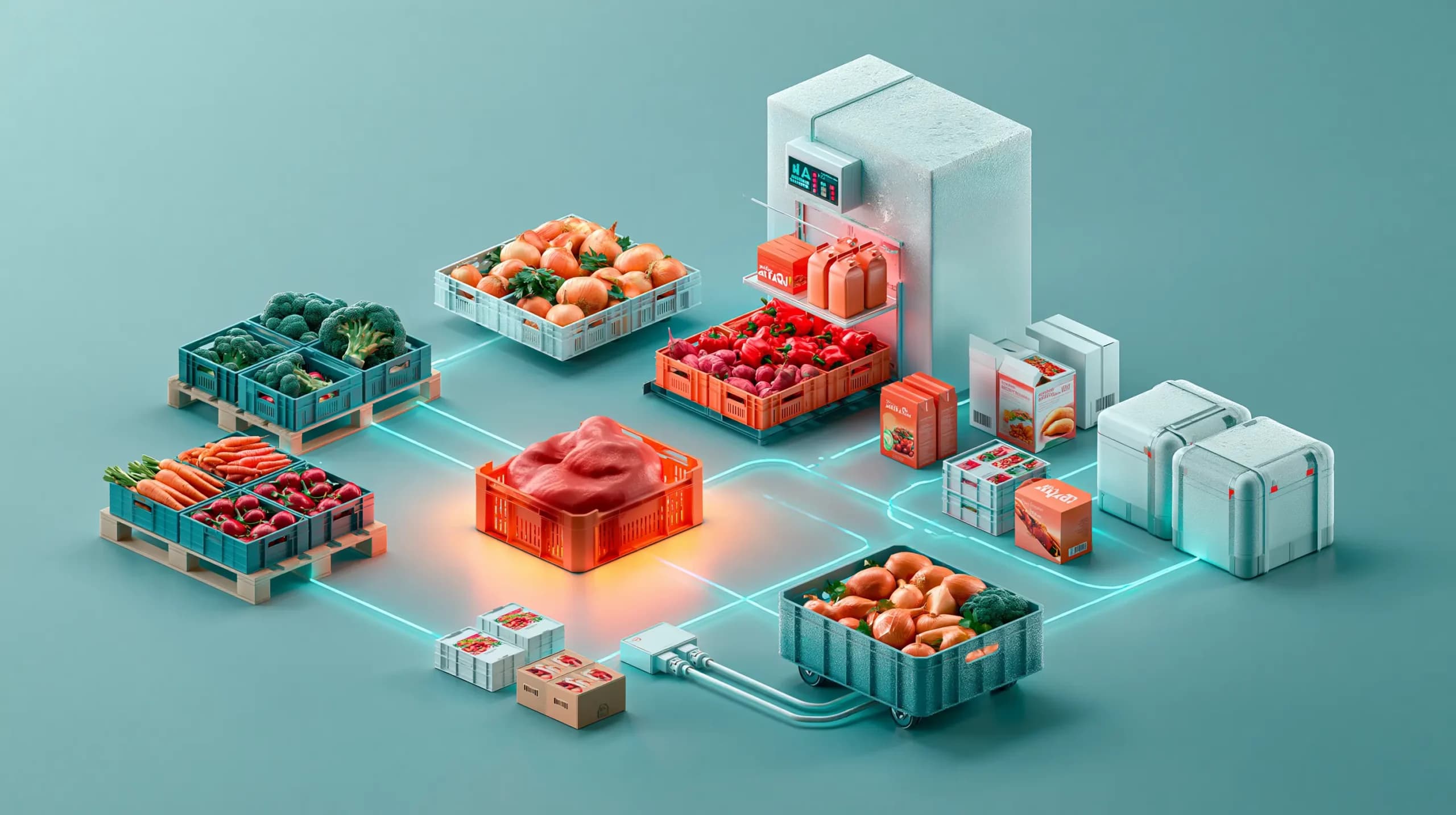
Food Distribution Software and Batch Traceability: What Must Stay Connected
Why batch traceability depends on connected records Imagine that a supplier tells you that a batch […]
Logistics · 14 FEB 2026
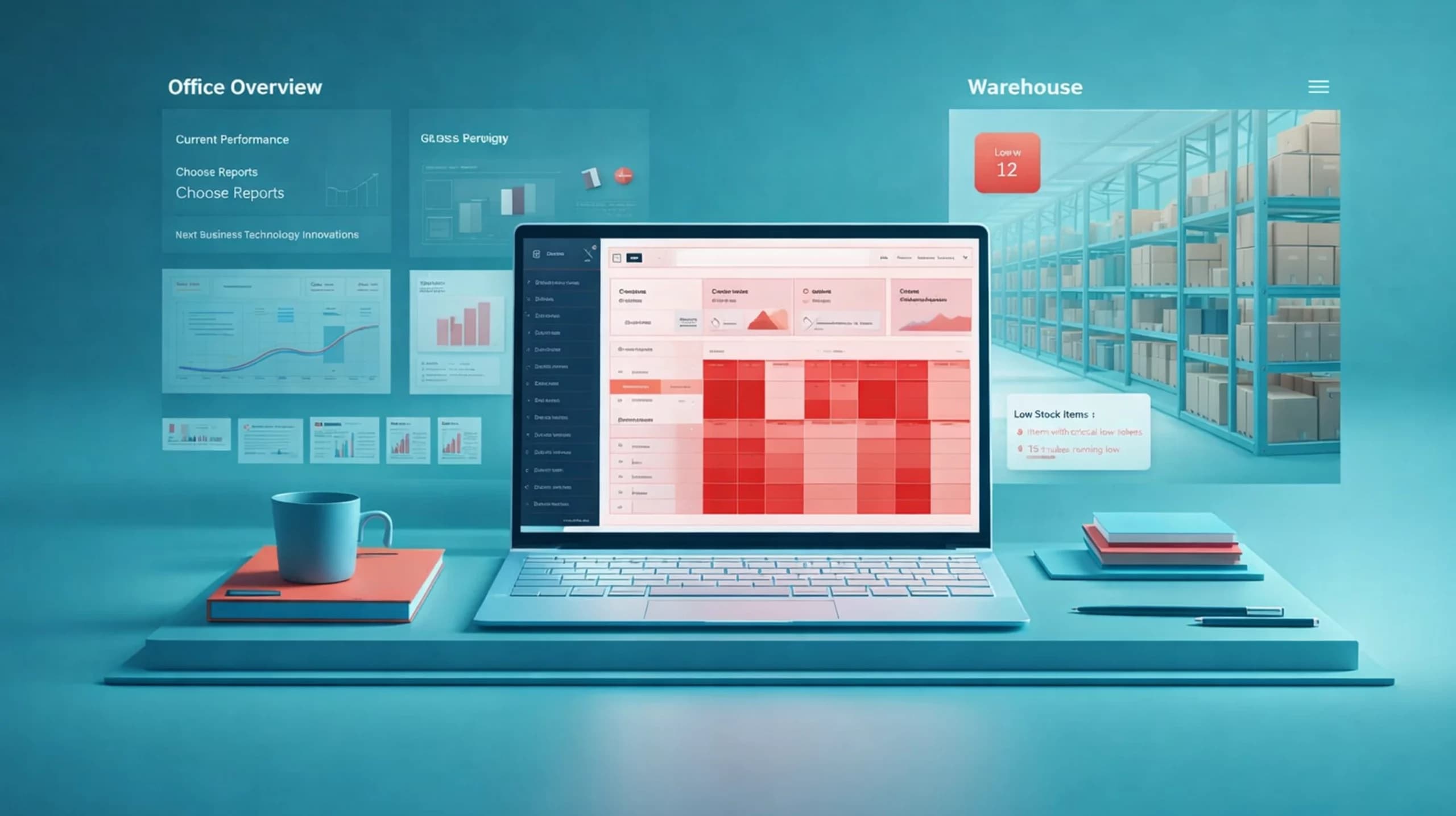
Why Spreadsheet-Based Inventory Management Breaks at Scale
You might perceive spreadsheets as the simplest tool for inventory control if you are a growing wholesaler, distributor, or operations manager, but once orders skyrocket and items spread across multiple warehouses, while real-time accuracy becomes critical, they instead turn into a bottleneck rather than a solution. This article begins with a discussion of why spreadsheet-based […]
Run your business,
without the complexity
Start free · Try paid plans for 30 days.
