How to Increase Sales in eCommerce B2B Wholesale?
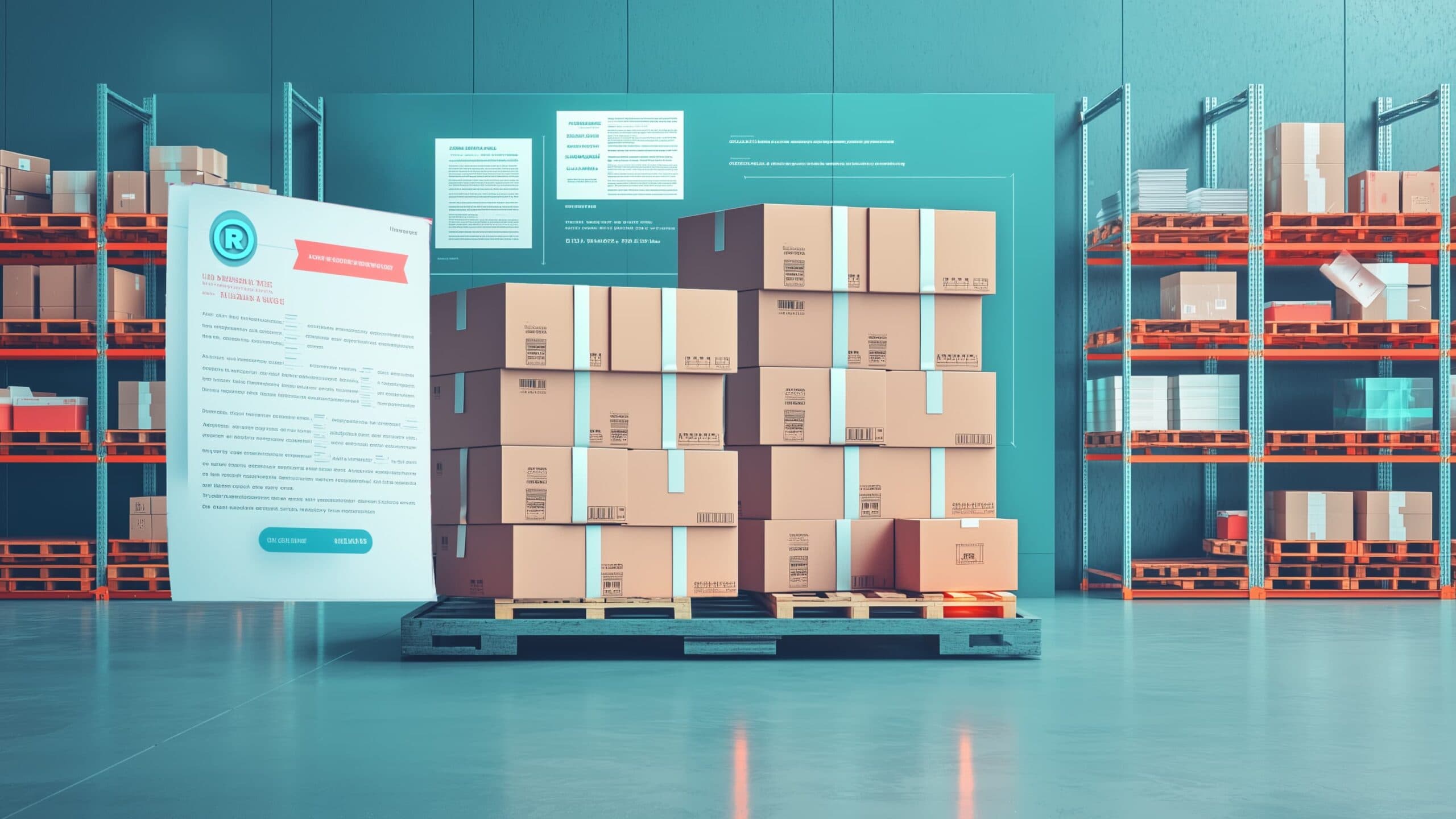

We will dive into how to boost sales in an eCommerce B2B wholesale company by acquiring customers, conversion rate optimisation, upselling, SEO and taking other marketing tactics.
Understanding the B2B Wholesale eCommerce Sales Landscape
There are several key differences between the B2B eCommerce wholesale sales and traditional retail models. The B2B transactions differ from B2C transactions, where there are relatively quick, one-time purchases and B2B sales consist of bulk orders, contract-based pricing and repeat purchases. In order to be successful at competing on higher sales, a business must understand the following characteristics of B2B wholesale eCommerce:
- Bulk purchasing: The typical order volume is high, with the transactions being driven through large order fulfilment structures or pricing structures.
- Long-term relationships: Customer retention and repeat purchases are essential for sustainable growth.
- Negotiated pricing: Unlike B2C, in the B2B space, the fixed price is not the norm, rather, it is customarily dynamic pricing that occurs and volume-based discounts.
- Multiple decision-makers: Purchases typically need the approval of different decision-makers at a business.
- Extended sales cycles: The process of concluding the purchase tends to take longer, requiring a greater number of interactions with the potential client.
By recognising these factors, businesses are aware of which approach to sales, what kind of marketing campaigns to run or overall systems that can serve the type of B2B buyers they have.
Optimise Your eCommerce Platform for Seamless Transactions
The eCommerce platforms need to be well-optimised to drive conversion as well as provide a seamless purchasing experience. The higher the chances of increased sales, the easier it is for B2B customers to navigate the website, find products and place orders. Below are a couple of ways that businesses can improve their eCommerce platform:
- Prevent user drop offs by designing something fast loading speed and mobile friendly.
- Give a clear and structured way of browsing products to find them super quickly.
- Provide custom pricing and account based buying options to different customer segments.
- Support multiple payment methods so that buyers’ preferred method is selected and utilised.
- Reorder options can be automated to try to encourage repeat purchases and reduce friction in the buying process.
When businesses put their mind to user experience and efficiency and build on a seamless purchasing journey, sales go up, and customer satisfaction also reaches higher.
Leverage SEO to Drive Organic Traffic
If you don’t have a strong SEO strategy, your website can be easily lost, and instead of paying more for your wholesale products, you could actually be driving buyers away by not influencing them to buy. When you rank higher on the search engine, it improves your chance of capturing prospective customers before your competitors. Read on to know the way how businesses can effectively take leverage of SEO:
- To optimise product pages, category pages and blog content, conduct keyword research.
- Add specific keywords in product descriptions such that they still remain readable.
- Implement technical SEO best practices such as site speed optimisation, structured data, and mobile responsiveness.
- Attract and engage potential buyers based on content such as industry insights, guides, and case studies, among others.
The businesses generate organic traffic by always improving SEO activities, reducing dependency on paid advertisements, and growing their long-term sales.
Use Data-Driven Marketing to Target the Right Audience
Effective marketing can be used to increase B2B wholesale eCommerce sales. In B2B marketing, however, emotional appeal in B2C is not as common as it is, whereas, in B2C, the emotional appeal is nearly always top of the line, whereas, in B2B marketing, it is efficiency is valued over time. Some proven strategies include:
- Email marketing: Can help with personalised product recommendations and exclusive bulk discounts via email.
- Retargeting ads: Ad product to re-target ads to clients who have visited your site to re-engage all those possible buyers who did not complete a purchase from you.
- Social media campaigns: LinkedIn social media campaigns, specific industry platforms and forums to connect to decision-makers.
- Content marketing: Informative articles, and sometimes whitepapers and case studies, to qualify as a content marketer and thus build authority and trust.
A data-driven approach ensures that marketing efforts are targeted efficiently, and yield higher conversion rates, leading to increased sales.
Improve Conversion Rates with an Optimised Sales Funnel
A well-structured sales funnel helps guide potential customers through the purchasing journey, reducing friction and increasing the likelihood of a sale. Businesses can optimise their sales funnel by:
- Creating a user-friendly registration process that streamlines account creation for B2B buyers.
- Implementing live chat and chatbots to provide real-time assistance and answer queries.
- Offering exclusive bulk discounts and promotions to incentivise larger purchases.
- Using customer testimonials, case studies, and social proof to build credibility and reassure potential buyers.
By fine-tuning the sales funnel and addressing potential bottlenecks, businesses can significantly improve their conversion rates and drive more revenue.
Enhance Customer Acquisition and Retention Strategies
Even though acquiring new customers is important, it’s even more valuable to retain existing customers. Thus, businesses should strive to sustain long-term relationships with their customers by:
- Volume-based discount that encourages repeat buying and bulk orders.
- Rewards for long-term customers by way of loyalty programmes.
- Nice customer support that quickly and easily resolves issues.
- CRM systems store in them customer interaction, preferences and purchase history to use for personalisation.
By implementing strong customer acquisition and retention strategies, businesses can build a loyal customer base and achieve sustainable sales growth.
Upselling and Cross-Selling Strategies
Marketers always try to encourage their customers to buy more to obtain maximum revenue without bringing any increment in their marketing costs. The effective upselling and counselling strategies include:
- A wise replacement for third-party advertising is to recommend complementary products on product pages and checkout screens.
- This enables customers to get a bundle deal whenever they purchase a group of items related to one another.
- Offering limited-time offers that generate urgency and increase the size of order.
- For example, customize the customers based on purchase history and preferences for recommendations of a particular product.
The strategies allow businesses to maximise order value and deliver extra value to the customers.
Implement Automation for Efficiency
Operations become automated, the manual workload diminishes and sales performance increases. Key areas to automate include:
- Order processing: For speeding up the fulfilment process and reducing human errors in order processing.
- Inventory management: Prevent stockout and optimise stock inventory management.
- Customer follow-ups: Automated email sequences to foster customer follow-up.
- Pricing updates Based on demand, competitors’ pricing and seasonal trends, updates to pricing.
Automation enables businesses to become more efficient, reduce costs, and provide a smooth seamless customer experience that will make customers proceed with sales.
Conclusion
Experience a seamless B2B e-commerce journey with Simplisales.
The future is bright for the wholesale businesses. Make it brighter with Simplisales, a simple and affordable B2B e-commerce solution for wholesalers.
To increase sales in eCommerce B2B wholesale, strategic planning, appropriate technology integration and an approach that focuses on the customer are combined together. When the eCommerce platform is optimised, the SEO is used, the attraction of the targets is realised via marketing, the conversion rate is boosted and robbed of through automation, and a scalable and returnable wholesale business can be created.
Proper evaluation and constant improvement of these strategies will deliver sustained growth, higher customer satisfaction, and a competitive edge in the B2B wholesale eCommerce market. Those businesses that understandably take these measures and introduce it proactively will stand tall in the constantly changing world of digital.
Related Blogs
Explore more insights for your wholesale business.
Ecommerce Tips · 16 OCT 2026
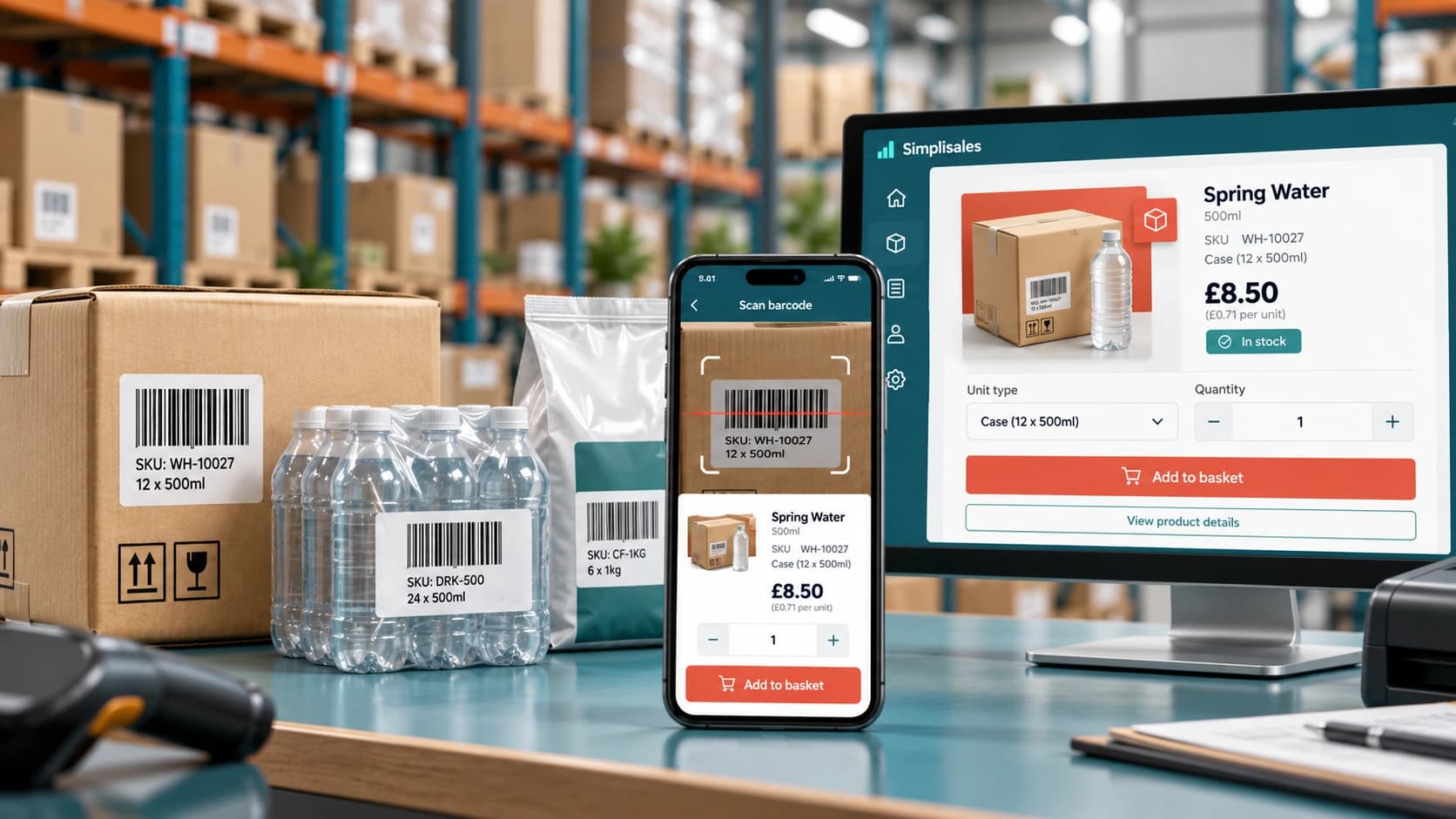
Barcode Ordering Apps for Wholesale
A retailer walks around the stockroom with a phone. In fact, when […]
Ecommerce Tips · 12 OCT 2026
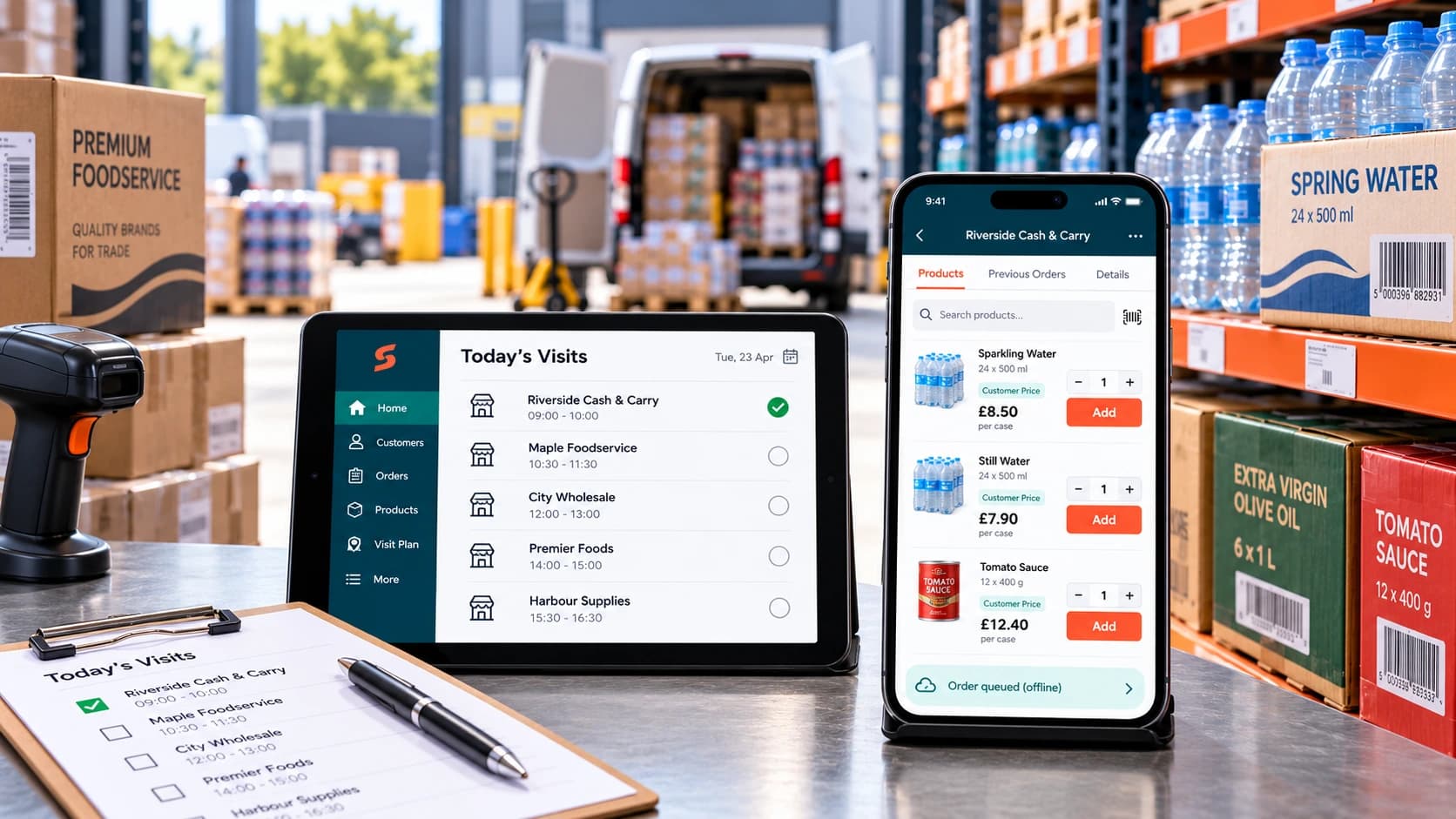
How to Roll Out a Sales Rep Ordering App
A […]
Ecommerce Tips · 10 AUG 2026
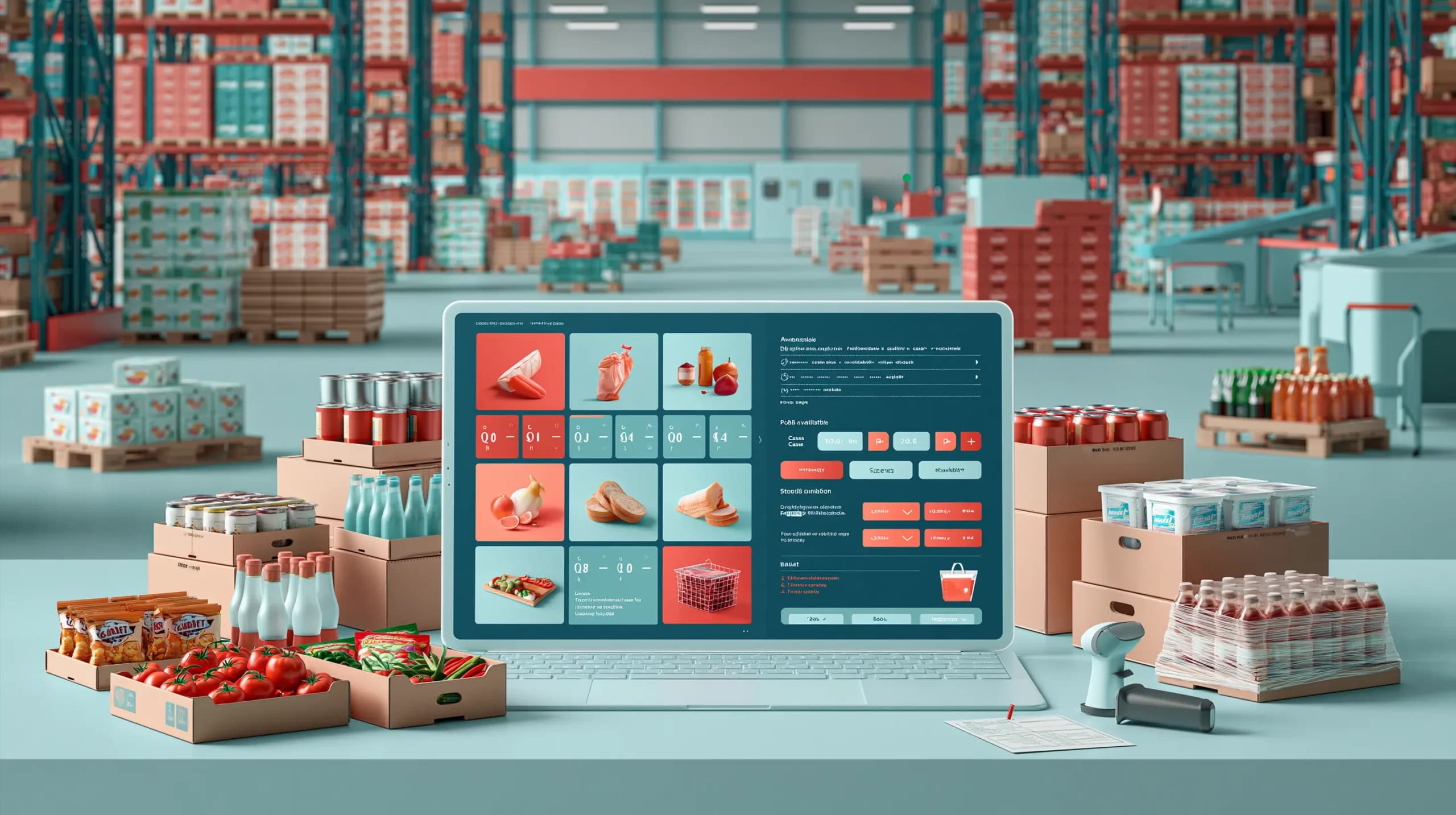
Food Wholesale Ordering Software: 12 Features UK Distributors Actually Need
This blog post covers the 12 features UK food distributors should prioritise when choosing food wholesale ordering software, from customer-specific pricing and multiple pack sizes to real-time multi-warehouse stock, batch and expiry tracking, purchasing, warehouse picking and delivery operations. It also highlights the importance of fast repeat ordering, offline sales rep tools, AI-assisted capture of […]
Run your business,
without the complexity
Start free · Try paid plans for 30 days.
