Types of Retailers: A Guide to Retail Business Models

Summary
Table of Contents
Understanding the Retail Industry Categories
Retail establishments exist in various forms and working methods, as well as organisational systems and ways of reaching out to customers. The primary categorisation of the retail industry is as follows:
- Store-based retailers: These retailers Conduct business through selling centres where customers directly go to make a purchase.
- Non-store retailers: Companies specialising in selling goods through promotions, commissions, digital electronics, or other means apart from an actual store.
- Service-based retailers: Retailers who offer their customers services instead of any kind of material things.
These groups are subdivided into many categories of retailers, which are listed below:
1. Department Stores
A department store is a large retail establishment that is involved in the selling of a diversified range of products on the same premises. They are mostly divided into separate departments in a company, and each department may have a specific product specialisation.
Key Features:
- The products ranged from clothes, furniture and home appliances to accessories and cosmetics.
- Large store layouts with multiple sections or floors.
- It can be seen that it has a balance of both the range of premium brands as well as mid-range brands.
Examples:
- Macy’s
- Harrods
- Selfridges
These stores, as their name suggests, obtain customers by selling various goods in one shopping mall, and they’re aimed at middle to upper-class users.
2. Specialty Stores
This kind of store tests in the limited width, and a large number of goods corresponds to the selected category of products. They offer professionalism and customised client services since they understand the needs or their clients.
Key Features:
- The industry strives to have its own set of stocks to meet the industry’s unique needs.
- Highly knowledgeable staff offering expert advice.
- They are usually depicted as costly or part of the luxury or upper segment.
Examples:
- Apple Store (electronics)
- Lush (cosmetics)
- Foot Locker (athletic shoes)
Customer loyalty is a primary focus in specialty stores and offering carefully selected merchandise.
3. Supermarkets
Large retail groceries that provide food and beverage household products are supermarkets. The stores are meant to be quick, efficient shopping with self-service aisles.
Key Features:
- Extensive selection of food and essential household items.
- Competitive pricing and frequent discounts.
- A self-service model with multiple checkout options.
Examples:
- Tesco
- Sainsbury’s
- Aldi
The everyday consumer need is the main focused area of the supermarket business, and the sales are run on high volume, low margin.
4. Convenience Stores
Convenience Stores are small retail supply stores for basic items as quickly as possible. It is placed in places where it will be frequently used due to accessibility.
Key Features:
- Limited selection of everyday essentials like snacks, beverages, and toiletries.
- Extended operating hours, often 24/7.
- Faster and more expensive than supermarkets because of convenience.
Examples:
- 7-Eleven
- Spar
- Circle K
Customers who care more about convenience at a trade or convenience store.
5. Discount Stores
Discount stores are known for selling numerous items at a lower cost to those who are within your budget. In other words, they are able to provide cheap pricing through bulk purchases, little if any store decor, and little customer service.
Key Features:
- Emphasise affordability and cheapest-price shopping.
- Basic store layout with a no-frills shopping experience.
- Seasonal discounts on inventory that are frequently updated.
Examples:
- Walmart
- Poundland
- Dollar General
Very price-sensitive shoppers venture to discount stores where everyday bargains are to be found.
6. Online Retailers (eCommerce)
E-commerce is another word that refers to the place of business that sells its products online instead of having a physical store. The convenience and availability for consumers all over the world serve them.
Key Features:
- They operate solely through websites or mobile apps.
- Offer product delivery and payments in your home.
- Give personalised recommendations from the browsing history.
Examples:
- Amazon
- ASOS
- eBay
The huge popularity of the net shopping trends has been the major reason for eCommerce retailers to flourish. Your business deserves to thrive in the eCommerce market. Visit Simplisales Website and discover the ease and simplicity of the eCommerce.
7. Warehouse Clubs
Warehouse clubs are membership model that provides bulk goods at decreased price tags to businesses and private customers.
Key Features:
- Membership-based pricing structure.
- Bulk packaging of large product sizes.
- Lower per-unit costs to traditional retailers.
Examples:
- Costco
- Sam’s Club
- Makro
Wholesalers and bulk buyers who wish to get the best deal out of their purhasing can make Warehouse clubs their pick. To learn more about the Warehouse Clubs, you should check our blog article What Are Wholesale Clubs and How Do They Work?.
8. Direct Selling Retailers
Direct selling retailers don’t bear stores for selling out their products; instead, they utilise any personal selling strategies, party-based selling, or direct outreach strategies in their selling.
Key Features:
- Face-to-face sales approach.
- Sellers are represented independently or through consultants.
- Usually health, beauty and home products.
Examples:
- Avon
- Tupperware
- Herbalife
Such as personal relationships, and word-of-mouth marketing works well in direct selling.
9. Pop-Up Shops
Temporary retail locations called pop-up shops tend to do their operation for a short time space which is mostly to explore new markets or create brand names.
Key Features:
- Short-term, event-based retail strategy.
- To use for promotional campaigns, seasonal sales, product launches, etc.
- It is a means of making them feel urgency and exclusivity among customers.
Examples:
- Seasonal Christmas markets
- Limited-time fashion collaborations
- Promotional brand pop-ups
Pop-up shops also provide them with the opportunity to interact directly with customers at high-traffic locations.
Conclusion
Experience a seamless B2B e-commerce journey with Simplisales.
The future is bright for wholesale businesses. Make it brighter with Simplisales, a simple and affordable B2B e-commerce solution for wholesalers.
There is a wide range of categories of retailers with different models of business and strategies for customer engagement. This may well help businesses realise which are the best partners, distribution channels and marketing strategies.
Two categories of wholesalers are possible: (1) those who look for retail cooperation and (2) those who wish to select the retailer type for the best possible sales and business growth. Regardless of department stores eCommerce, or convenience stores, being aligned to the ideal retailer category guarantees sustained success in a fiercely competitive retail environment.
Related Articles
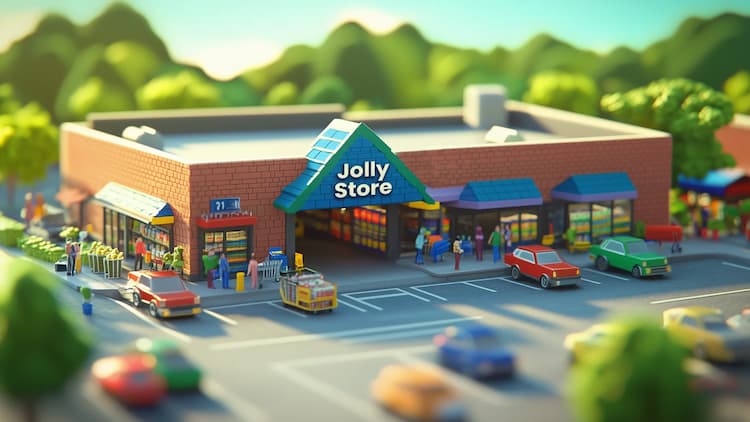
Real shops which many times are referred to as physical stores are the bedrock of worldwide retailing. Such outlets allow clients to feel, taste, and visualise products in their real state something online selling cannot offer. Nowadays, it could be quite challenging to take a walk in a shopping centre or drive down the street ...
7 min readRead More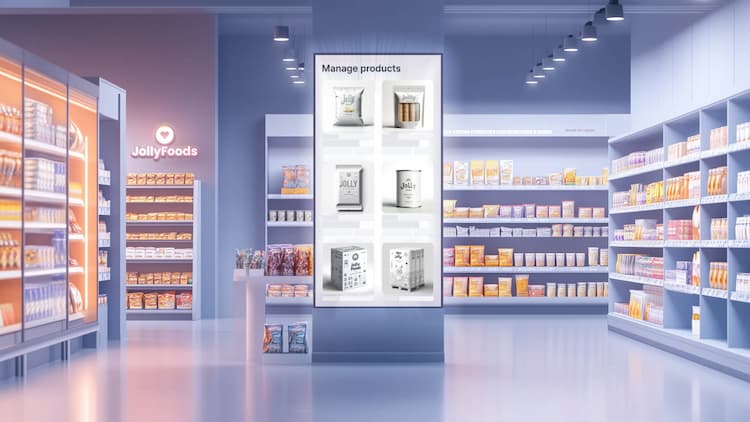
In the ever-evolving business of retail, it is critical for businesses to regularly update and have accurate information about their products regardless of whether they’re conducting business-to-business, wholesale, or e-commerce. PIM systems are becoming valuable tools that enable retailers to address issues linked to product data, showcase standard experiences to customers, and respond to changed ...
5 min readRead More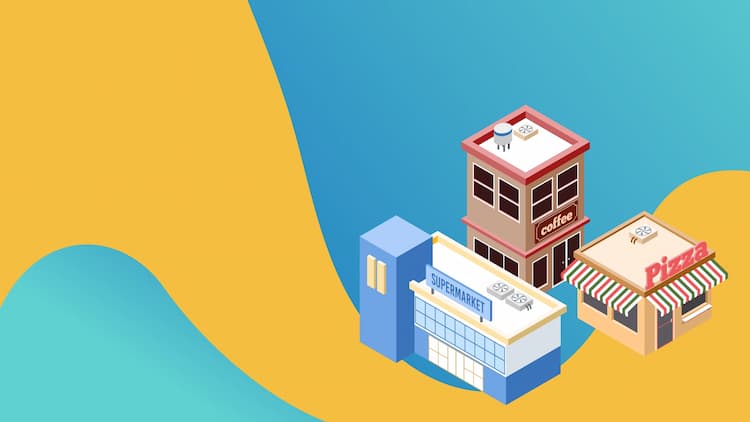
Understanding the diverse types of retail stores is crucial for B2B wholesalers. Each store operates differently and serves unique customer needs. By recognising these distinctions, wholesalers can tailor their strategies, improve service, and maintain competitiveness in the ever-changing retail landscape.
7 min readRead MoreIndustry news straight to your inbox
Get the latest commerce news, trends, and strategies to grow your business
Subscribe to newsletter
By submitting this form, you agree to receive promotional messages from Simplisales