

The next phase of development every B2B company goes through is usually an uneventful one, and most of the time, it is not accompanied by any significant changes.
You find yourself dealing with a situation that is not a crisis. You are still receiving orders. Your cash flow is good. The accounting software is functioning as it should be. However, as you go through the daily work routine, you realise that people are asking the same questions over and over again:
Do we actually have this in stock?
Has this order already been picked?
Which warehouse is this shipping from?
Why does the number in the system not match what’s on the floor?
These are not accounting questions at all.
They are operational questions.
And this is generally the place where companies come to know that financial visibility and operational visibility are not the same thing. The former tells you how the business performed. The latter shows you what the business is like to operate, minute by minute.
Let’s have a look at the true meaning of operational visibility, and consequently, accounting data cannot provide it, as modern B2B companies are bridging the gap not by replacing their system but by using what they already rely on.
What “Operational Visibility” Actually Means
“Operational visibility” refers to the ability to monitor the operational processes of a company as they happen, not through historical data. This skill is so fundamental that it can even be defined simply as having the transparency needed to see and comprehend the status of the products, orders, warehouses, customers, and sales activities in one unified view.
If you have complete operational visibility, you won’t be left in doubt or need to chase after the status of orders and stock. Instead, you can visualise, in real-time, which orders are available, which stock is used up, and the key places where changes are made.
This is not simply for tracking your income or margins. This is, in fact, the increased precision of your management of the daily operational processes. The importance of such clarity grows as you expand your product range, as the orders increase, and as you introduce more sales channels.
Why Accounting Data Alone Is Not Enough
Accounting systems are automatically accurate, conforming to the rules of accounting, and feedback-oriented. They give a factual report of events that have taken place in the past, and the financial statements should be presented in a way that gives the reader concrete evidence of their accuracy and compliance.
This is, of course, vital, but it can also be a drawback.
Accounting data responds to questions such as:
- What was our sales volume last month?
- Who are the customers that owe us money?
- What are the costs and margins of the company?
But the truth is, operational teams look at things differently. They simply need information that accounting software does not consider a priority:
- What products can we ship now?
- What orders still lack some parts in stock?
- What sections of the warehouses are actually fulfilled?
Generally, because these tools are not designed for this level of operational detail, teams often have to cover missing information manually. Spreadsheets, internal messages, duplicated data entry, and constant cross-checking with other documents become part of daily life.
This isn’t a process-related problem.
It is a visibility-related issue.
Connecting Inventory, Orders, and Warehouses
The first place where fluidity in operations loses its grip is inventory.
Inventory is perceived as money in the accounting systems without options for real operations to work. In reality, inventory is a complex entity. It gets moved from warehouse to warehouse, is taken up by orders, and is altered over the day.
Even if they are in live connect to inventory, orders end, and warehouse activity, warehouse teams are always in a slightly non-reality mode and could get oversold, which seriously affects the delivery speed and customers’ confidence level.
This overselling, slower fulfilment, and customer dissatisfaction are the results of almost all teams working with a lagging view of reality-specific data.
On the contrary, modern B2B platforms are tech-savvy, which puts them on a different level. They simply link the ordering channels to the live stock data stream, so that the stock promotion only reflects the real-time availability of the items.
This is where solutions like the Simplisales Website come in. Instead of seeing online ordering as a separate, isolated process, it is integrated into one operational ecosystem — reflecting actual availability and decreasing the friction of both customers and internal teams.
The Hidden Cost of End-of-Month Reporting
End-of-month reports are really reassuring. The reports are very tidy, systematic and complete. However, by the time they are processed, the decisions they should have guided are very often already made.
Operational visibility accountability is the shift of the focus from the past to the present.
In the case of being reliant only on monthly or weekly reports, finding the problems will always be too late. A well-selling item gets out of stock before anyone realises the trend. A warehouse bottleneck turns out mainly after delays are executed in piles. A key customer cuts down the frequency of orders without any immediate alarm being triggered.
Data that is operational in real-time delivers a different outcome. This will help the teams to learn about the patterns ahead of time, to make decisions and to react to the changes so that there still exists the opportunity to impact the situation.
The visibility of this sort is not about the reports replacing — it is about them being complemented by the life insight that supports the decision-making process on a daily basis.
Sales Teams Feel the Gap First
Absence of operational visibility is what sales teams generally feel first. They’re on the front line, dealing with customer questions about availability, delivery times, and order status. When they don’t have access to accurate, real-time information, confidence suffers — both theirs and the customer’s.
Quoting a sales rep who has to “check and come back” too often greatly affects the momentum he is gaining. In multifunction, on the other hand, a user with live data can simply sell a product and build trust.
The Simplisales App effectively tackles this situation by providing sales teams with an instant connection to stock, pricing, and order details from any place. It integrates the office systems with the real-world selling that, in turn, makes visibility a competitive advantage rather than a staff issue.
Visibility Is Not About Replacing Accounting Systems
The most outrageous idea related to operational visibility is that it obliges you to change your entire accounting software,
Conversely, the reality stands on the other side.
The best arrangements see accounting software as the financial basis, and then build an operational layer on top of it. This layer connects inventory, orders, warehouses, and sales activity without interfering with financial accuracy or compliance.
By keeping the financial truth and operational reality distinct — yet synchronised — enterprises turn complexity into flexibility.
Such as Simplisales Dashboard, platforms of this kind are very much tailored to serve this purpose. They aren’t meant to be considered as accounting tools. They rather consist of a central operational view that gathers data together from all over the business, which in turn forms it in a way that incites action.
Building Visibility Without Creating More Work
Many companies reasonably worry that the added visibility will result in more systems, more training, and additional admin work.
In real life, through a good operational lay of the land, one can do less work.
When the systems are hooked up correctly:
- One data entry is replaced with multiple entries
- Disputes in team figures are over
- Decisions are faster and more precise with fewer discussions
It is easier to see through operations due to the elimination of doubt. People do not have to double-check, run after confirmations or depend on assumptions anymore.
The main point is the selection of the tools that are naturally integrated into the already existing protocols, rather than just being added to them as an unnecessary layer of complexity.
From Control to Confidence
The merit of operational visibility is not only dominating but also its confidence.
When you have a real-time view of your whole business, then you are able to grow with less strain. Whether you’re adding new products, bringing in new clients, or going to new channels, these things are not risky any longer because you don’t have to operate in the dark.
Accounting software has always been the mainstay. However, with the expansion of businesses, it turns into a piece of the jigsaw that is much larger than before.
The operational visibility is the one that covers all these shortcomings, which the finance tools were never destined to do. And, the moment you learn such, you are not able to conceive of managing B2B operations without it.
Conclusion: Seeing the Business as It Really Is
The future is bright for the wholesale businesses. Make it brighter with Simplisales, a simple and affordable B2B eCommerce solution for wholesalers
Migration from the basic accounting to full operational visibility is certainly not only trend chasing and technology adoption. It is mostly the alignment of the company systems with the real facts concerning the operation of modern-day B2B companies.
When you feel sure about your financial indicators but keep wondering how things go concerning the usual business operations, it is the time you have achieved the mainstepping beyond finance-only visibility.
The next action is not the substitution of the functional part. It is the extension of those parts.
If you bring yourself to the state of viewing your inventory, orders, warehouses, and sales activity as a solely integrated operation, you may want to consider what kind of possibilities Simplisales has for your business.
Related Blogs
Explore more insights for your wholesale business.
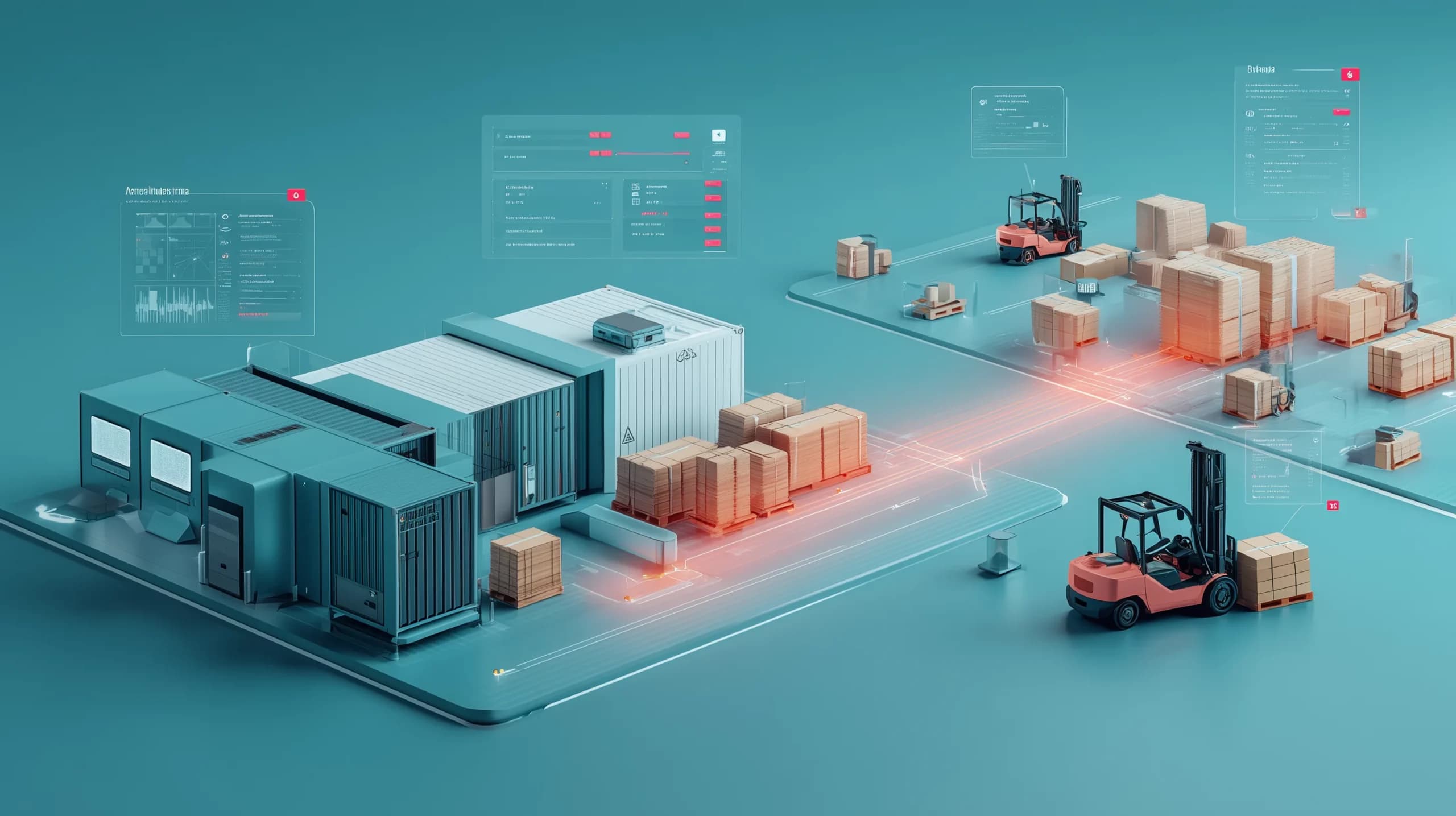
Accounting · 23 MAR 2026
Integrating On-Premise Accounting Systems with Modern Operations
As B2B businesses grow, the real challenge is not outdated accounting software, but the lack of connection between stable on-premise systems and fast-moving operational processes like sales, inventory and warehouse management. Tools such as Sage 50 remain reliable for finance, compliance and reporting, but they are not designed to handle real-time operations, leading to delays, […]
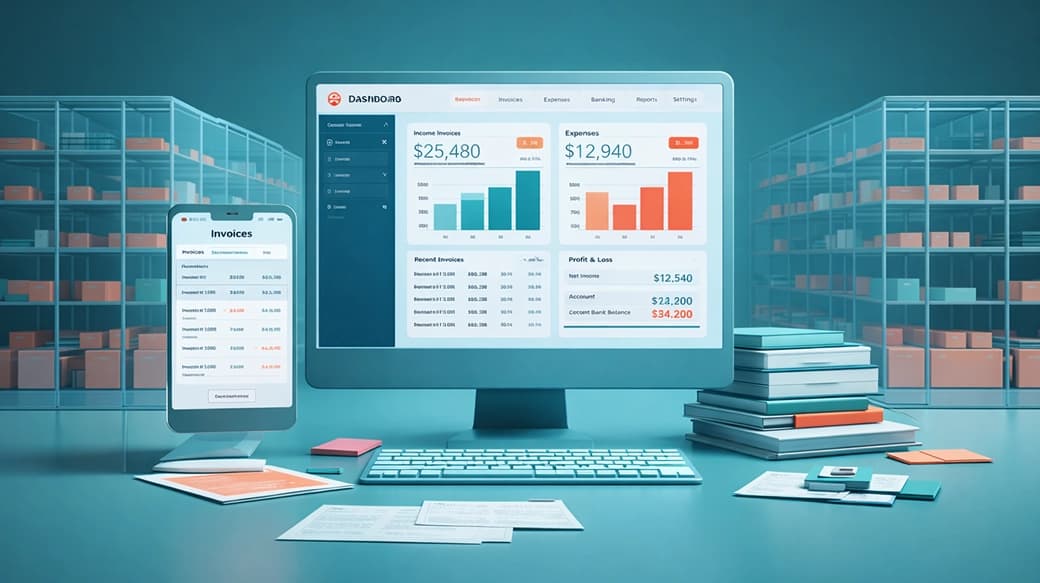
Accounting · 09 FEB 2026
Why Accounting Software Is Not Enough for Growing B2B Businesses
As a B2B wholesale business owner, you would depend a great deal on the accounting software that helps you to keep track of all the invoices, the revenue, and the taxes. On the flip side, it will not be unusual if you find yourself typing in the search engine “accounting software is not enough” or […]
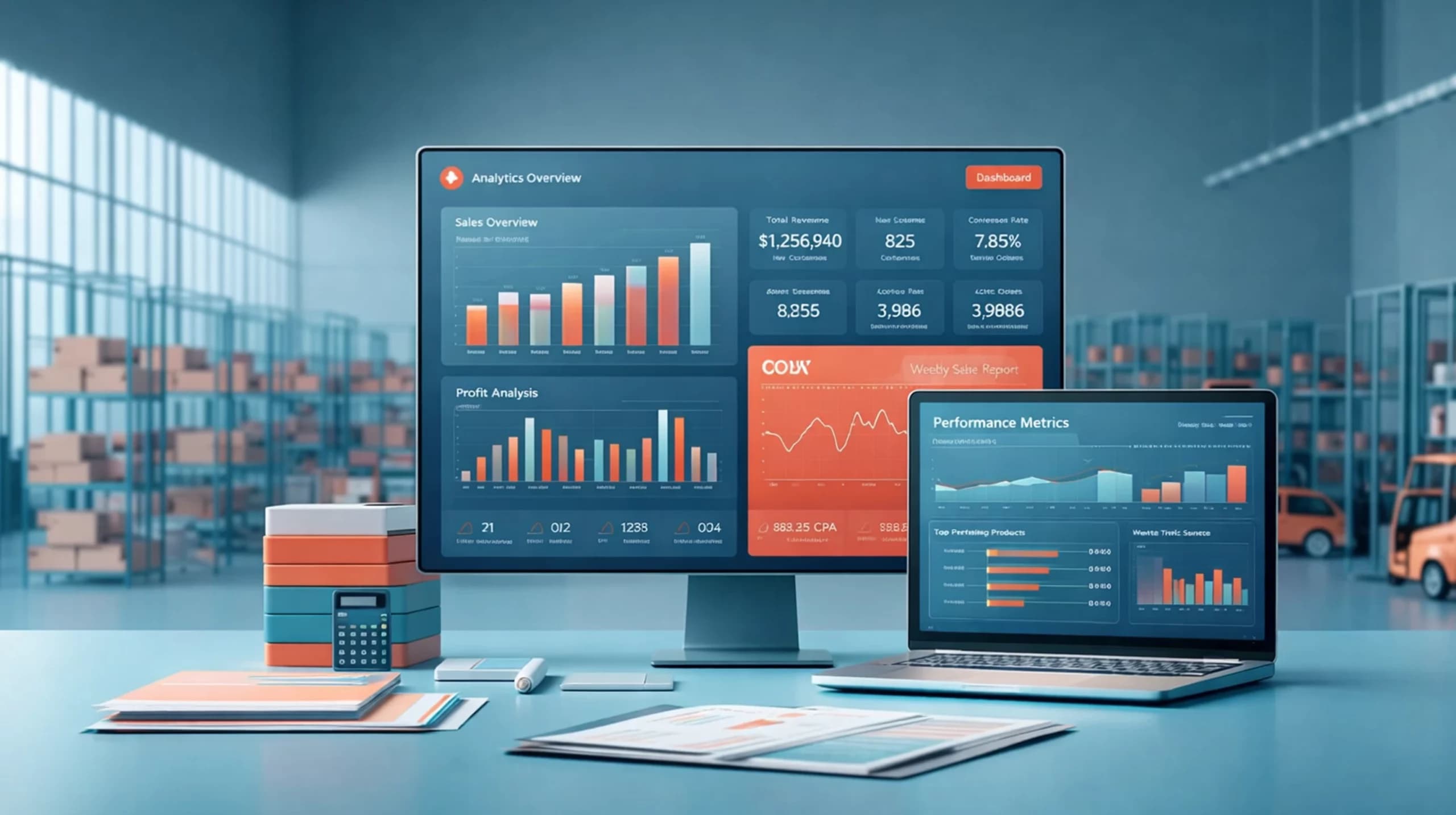
Accounting · 02 FEB 2026
When Inventory Outgrows Accounting Tools
The problem with inventory in the case of growing wholesale businesses usually comes not from the errors but from the mere dependency on accounting software for the wrong job. The accounting systems are super precise when it comes to cash flow and stock value, but they see inventory as a definite figure that is updated […]
Run your business,
without the complexity
Start free · Try paid plans for 30 days.
